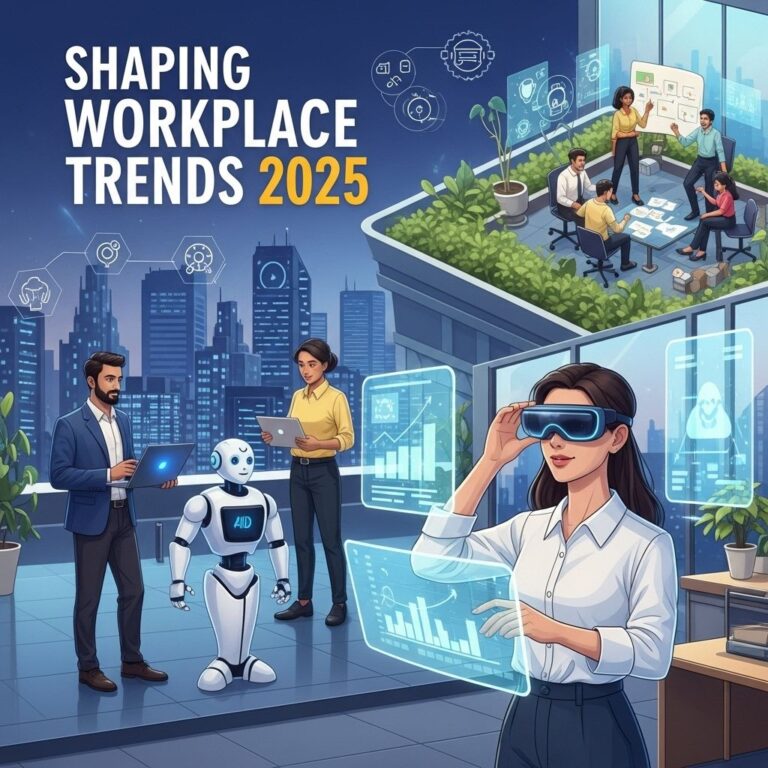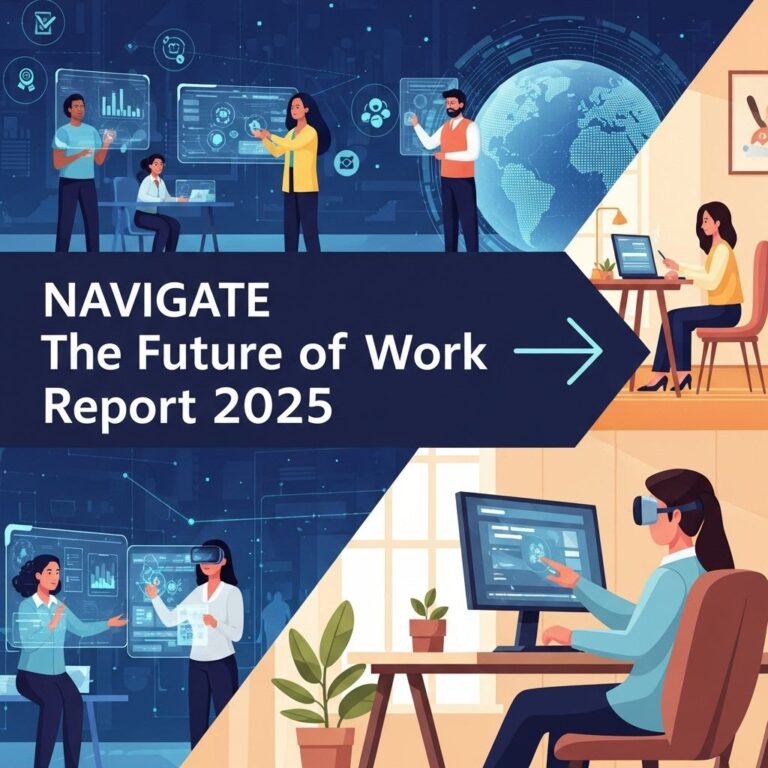

The landscape of work is rapidly evolving, with advancements in technology, changes in employee expectations, and new business models reshaping how organizations operate. As we look towards 2025, understanding these changes is crucial for businesses aiming to thrive in this new environment. This article delves into the trends, challenges, and opportunities outlined in the Future of Work Report 2025, providing insights for companies ready to adapt and innovate.
Understanding the Future of Work
The Future of Work refers to the transformations occurring in workplace dynamics, largely driven by technological innovation and shifting workforce demographics. Key factors influencing this trend include:
- Remote Work: The COVID-19 pandemic has accelerated the adoption of remote work, making it a permanent fixture in many industries.
- Automation: Automation and artificial intelligence are reshaping job roles, requiring workers to acquire new skills.
- Diversity and Inclusion: There is a growing emphasis on creating diverse and inclusive workplaces.
- Employee Wellbeing: Companies are increasingly prioritizing mental health and work-life balance.
Key Trends Shaping the Workplace
1. Hybrid Work Models
Organizations are moving towards hybrid work models that combine remote and in-office work. This approach offers flexibility and has been shown to improve employee satisfaction and productivity. Key aspects of hybrid work include:
| Aspect | Benefits | Challenges |
|---|---|---|
| Flexibility | Employees can choose where to work, leading to higher engagement. | Coordination across teams may become complex. |
| Cost Savings | Reduced office space can lower overhead costs. | Potential loss of company culture. |
2. Embracing Technology
Technology is at the core of the Future of Work. From collaboration tools to project management software, companies must leverage the right technologies to enhance productivity. Important technologies to consider include:
- Cloud Computing: Enables remote access to resources and data.
- Artificial Intelligence: Streamlines processes and provides insights from large data sets.
- Collaboration Tools: Platforms like Slack and Microsoft Teams foster communication and collaboration.
3. Skills Development and Lifelong Learning
As job roles evolve, so does the need for continuous learning. Businesses must invest in employee development programs that promote skill enhancement and adaptability. Consider the following strategies:
- Upskilling: Provide training sessions focused on emerging technologies.
- Cross-Training: Encourage employees to learn skills across different departments.
- Mentorship Programs: Pair experienced employees with newer hires to share knowledge and skills.
Challenges Ahead
While the Future of Work presents numerous opportunities, organizations will face significant challenges, including:
1. Workforce Displacement
With automation on the rise, there is a real concern about job displacement. Companies must prepare their workforce for these changes by:
- Identifying roles vulnerable to automation.
- Developing transition plans for affected employees.
- Investing in reskilling initiatives.
2. Maintaining Company Culture
As remote work becomes prevalent, maintaining a strong company culture can be challenging. Strategies to address this include:
- Regular team-building activities, both virtual and in-person.
- Transparent communication from leadership.
- Recognition programs to celebrate employee achievements.
3. Mental Health and Wellbeing
The blurred lines between work and personal life can impact employee mental health. Businesses can support their employees by:
- Offering resources such as counseling and mental health days.
- Creating a culture that encourages work-life balance.
- Implementing flexible work hours to accommodate personal needs.
Opportunities for Organizations
With challenges come opportunities. Companies that successfully navigate the Future of Work landscape can position themselves for growth. Here are some potential opportunities:
1. Enhanced Employee Experience
By prioritizing employee well-being and offering flexible work arrangements, companies can improve job satisfaction and retention rates.
2. Improved Productivity
Leveraging technology can streamline processes, allowing employees to focus on higher-level tasks rather than routine work.
3. Competitive Advantage
Organizations that embrace diversity and inclusion can attract a broader talent pool and foster innovation.
Conclusion
The Future of Work is not just about technology; it’s about people and how they interact with their work environments. Organizations that recognize the importance of adapting to these changes and invest in their workforce will be better positioned to succeed in the years to come. As we move towards 2025, embracing flexibility, technology, and continuous learning will be key drivers for success in the ever-evolving workplace.
FAQ
What is the ‘Future of Work Report 2025’?
The ‘Future of Work Report 2025’ is a comprehensive analysis that explores emerging trends, challenges, and opportunities in the workforce landscape as we approach 2025.
What key trends are highlighted in the Future of Work Report 2025?
The report highlights key trends such as remote work adoption, automation impacts, skills evolution, and the rise of gig economy roles.
How can businesses prepare for the changes outlined in the Future of Work Report 2025?
Businesses can prepare by investing in employee training, embracing flexible work models, and adopting new technologies to enhance productivity.
Who is the target audience for the Future of Work Report 2025?
The report targets business leaders, HR professionals, policymakers, and researchers interested in understanding workforce dynamics.
What role does technology play in the Future of Work Report 2025?
Technology is a central theme, with a focus on how advancements like AI and machine learning are reshaping job roles and workplace dynamics.
Where can I access the Future of Work Report 2025?
The report can be accessed on the official website of the organization releasing it, often available as a free download or through subscription.