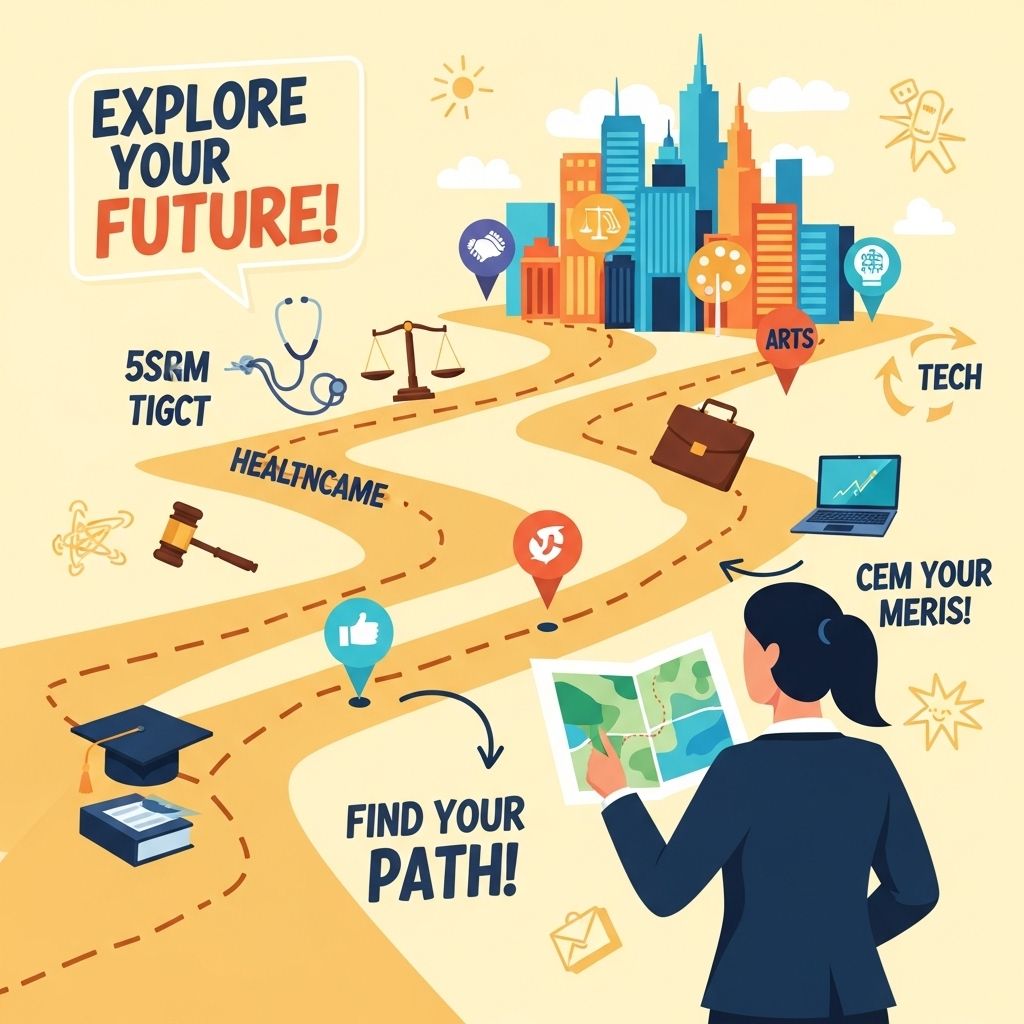

In today’s fast-paced and ever-evolving job market, navigating your career path can be both exciting and daunting. With new technologies, trends, and industries emerging rapidly, it is essential to have a clear roadmap that not only outlines potential career trajectories but also highlights the skills and experiences necessary to thrive in your chosen field. This article will provide an in-depth analysis of how to create a career roadmap, broken down into manageable steps with practical examples, resources, and frameworks designed to guide you in achieving your professional goals.
In today’s fast-paced job market, navigating your career path can be challenging yet rewarding. The Ultimate Career Roadmap provides insights and structured guidance to help you achieve professional success. For further tips and inspiration, explore these career advice articles.
Understanding the Importance of a Career Roadmap
A career roadmap serves as a strategic plan that outlines your career objectives, skills needed, and the steps to achieve your goals. By having a clear vision of where you want to go, you can:
- Identify skills gaps and educational requirements.
- Set achievable short-term and long-term goals.
- Stay focused and motivated throughout your career journey.
- Adapt to changes in the job market more effectively.
Overall, a career roadmap is not just a static document but is a dynamic tool that should evolve alongside your experiences and the industry landscape.
Step 1: Self-Assessment
Navigating your career can be daunting, but with the right roadmap, you can chart a clear path to success. Understanding employment trends is vital; exploring employment statistics helps you make informed decisions about your career trajectory.
The first step in creating your career roadmap is conducting a self-assessment. This involves understanding your strengths, weaknesses, interests, and values. Here are some techniques to help you gain deeper insights into your professional self:
Personality and Strengths Assessments
Utilize various assessment tools such as:
- The Myers-Briggs Type Indicator (MBTI)
- The CliftonStrengths Assessment
- The DISC Personality Test
These tools can help you identify your natural tendencies and preferred working styles.
Skills Inventory
Create a list of your existing skills, categorizing them into:
- Technical Skills: Programming languages, data analysis, project management.
- Soft Skills: Leadership, communication, teamwork.
Consider asking for feedback from peers or supervisors to gain an external perspective.
Step 2: Market Research
Once you have a clear understanding of your personal attributes, the next step is to research the job market. This includes identifying industries and roles that align with your skills and interests. Here’s how to conduct effective market research:
Industry Trends
Stay informed about the latest developments in your field through:
- Industry news websites and blogs.
- LinkedIn and professional networking groups.
- Webinars and online conferences.
Job Descriptions and Requirements
Analyze job postings for roles that interest you. Create a table to summarize the common requirements:
| Job Title | Technical Skills | Soft Skills |
|---|---|---|
| Data Scientist | Python, SQL, R | Analytical thinking, communication |
| Project Manager | Agile, Scrum, MS Project | Leadership, problem-solving |
| UX Designer | Adobe XD, Figma | Empathy, creativity |
Step 3: Goal Setting
Setting clear, actionable goals is pivotal for progress. Use the SMART criteria to formulate your goals:
- Specific: Clearly define what you want to achieve.
- Measurable: Determine how you will measure success.
- Achievable: Ensure your goals are realistic.
- Relevant: Align goals with your career aspirations.
- Time-bound: Set a deadline for your goals.
Here’s an example of how to structure your goals:
Example Goal
“I want to become a certified Data Analyst within the next six months by completing an online boot camp and passing the certification exam.”
Step 4: Skill Development
With your goals in place, the next step is to identify the skills you need to acquire. Consider the following avenues for skill development:
Online Courses and Certifications
Take advantage of platforms like:
- Coursera
- edX
- Udacity
Choose courses that align with your career goals and ensure they provide recognized certifications upon completion.
Networking and Mentorship
Engaging with professionals in your desired field can provide invaluable insights and opportunities. Consider:
- Joining professional organizations related to your field.
- Attending networking events.
- Finding a mentor who can provide guidance.
Step 5: Gaining Experience
Experience can be gained in various forms, including internships, volunteer work, and freelance projects. Here’s how to effectively build your experience:
Internships
Seek internships that allow you to apply your skills in real-world settings. Look for opportunities with:
- Startups
- Established companies
- Non-profit organizations
Freelancing
Websites like Upwork and Fiverr can help you find freelance gigs that align with your skillset.
Step 6: Evaluation and Adaptation
The final step is regularly evaluating your progress against your roadmap and being willing to adapt your plans. Schedule periodic check-ins (e.g., every six months) to review:
- Your accomplishments and milestones.
- Changes in industry trends.
- Your personal interests and goals.
Being flexible and responsive to change will ensure that your career roadmap remains relevant and effective.
Conclusion
Creating a career roadmap is an essential strategy for navigating your professional journey. By conducting self-assessments, researching the job market, setting SMART goals, developing skills, gaining experience, and regularly evaluating your progress, you can confidently approach your career aspirations. Remember, a robust career roadmap will guide you to not only achieve your goals but also to adapt and thrive in an ever-changing job landscape.
FAQ
What is ‘The Ultimate Career Roadmap Image Guide’?
The Ultimate Career Roadmap Image Guide is a comprehensive visual resource designed to help individuals navigate their career paths effectively, providing insights on different professions, skills required, and potential career progression.
How can I use the Ultimate Career Roadmap to plan my career?
You can use the Ultimate Career Roadmap by identifying your interests, exploring various career options presented in the guide, and mapping out the skills and qualifications needed for your desired path.
Who can benefit from the Ultimate Career Roadmap Image Guide?
Students, recent graduates, professionals looking to change careers, and anyone interested in enhancing their career development can benefit from the Ultimate Career Roadmap Image Guide.
Is the Ultimate Career Roadmap suitable for all industries?
Yes, the Ultimate Career Roadmap covers a wide range of industries and professions, making it a versatile tool for anyone seeking career guidance.
Where can I access the Ultimate Career Roadmap Image Guide?
The Ultimate Career Roadmap Image Guide can typically be found on career development websites, educational institutions, or through professional networking platforms.
Are there any costs associated with obtaining the Ultimate Career Roadmap?
Many resources related to the Ultimate Career Roadmap are available for free, while some may require a purchase or subscription for premium content.
In the pursuit of your career goals, leveraging strong networking strategies is essential for success. By understanding and implementing networking best practices, you can cultivate meaningful professional relationships that open doors and create opportunities. Remember, your network is a powerful asset on your ultimate roadmap to success.