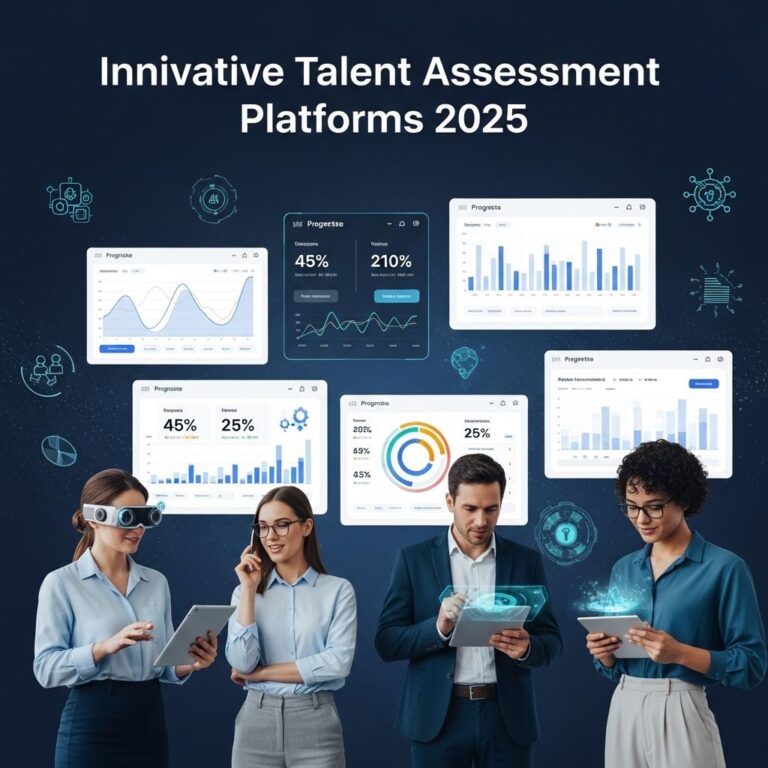
In today’s fast-paced digital landscape, effective workforce planning is critical for any organization aiming to optimize efficiency, enhance productivity, and maintain a competitive edge. Workforce planning is not just about filling roles; it encompasses analyzing data, forecasting needs, and strategically aligning resources to meet business goals. To navigate this complex landscape, companies are increasingly turning to sophisticated insights and analytics tools. This article will explore some of the leading tools in workforce planning and how they empower organizations to make informed decisions.
Understanding Workforce Planning Tools
Workforce planning tools are essential for organizations looking to streamline their HR processes and improve their overall workforce management strategies. These tools leverage data analytics to provide insights into employee performance, engagement, and retention, enabling businesses to allocate resources effectively. Key features of effective workforce planning tools often include:
- Data Visualization: Clear graphs and dashboards that illustrate trends and forecasts.
- Predictive Analytics: Techniques that forecast workforce needs based on historical data.
- Reporting Capabilities: Detailed reporting to track performance metrics over time.
- Integration: Compatibility with existing HR software for seamless functionality.
1. Tableau
Tableau is a powerful data visualization tool that helps organizations analyze their workforce data effectively. It enables users to create visually appealing and interactive dashboards that display various metrics such as employee turnover rates, training effectiveness, and productivity levels.
Key Features of Tableau:
- Drag-and-Drop Interface: User-friendly design allows for easy customization and creation of reports.
- Real-Time Data Updates: Ensures that the latest information is always at your fingertips.
- Collaboration Features: Allows teams to share insights and dashboards in real time.
Tableau’s ability to integrate with numerous data sources makes it an ideal choice for businesses that need comprehensive insights into their workforce analytics.
2. SAP SuccessFactors
SAP SuccessFactors is a cloud-based Human Capital Management (HCM) solution that offers an in-depth workforce planning module. This tool supports businesses in driving performance management, compensation planning, and succession planning.
Strengths of SAP SuccessFactors:
- Comprehensive HR Solutions: Covers all aspects of HR from talent acquisition to development.
- Predictive Analytics: Forecasts staffing needs and identifies skill gaps within the workforce.
- User-Friendly Interface: Simplifies navigation and enhances user experience.
By utilizing SAP SuccessFactors, companies can create a strategic workforce planning process that aligns with their long-term business objectives.
3. Visier
Visier is a workforce analytics platform that specializes in providing insights to help organizations make strategic HR decisions. It offers a comprehensive suite of analytics tools that enable businesses to visualize workforce data and derive actionable insights.
Benefits of Using Visier:
- Pre-Built Templates: Quickly analyze common workforce metrics without starting from scratch.
- Scenario Planning: Evaluate various workforce scenarios to determine the best course of action.
- Expert Recommendations: Provides insights based on industry best practices and trends.
The platform’s focus on people analytics allows organizations to uncover hidden patterns and trends in their workforce, fostering a proactive approach to human resource management.
4. Oracle HCM Cloud
Oracle HCM Cloud is a comprehensive solution that integrates all HR functions, including workforce planning, talent management, and payroll. Its workforce analytics capabilities provide businesses with deep insights into their human capital and overall organizational performance.
Advantages of Oracle HCM Cloud:
- Robust Analytics: Access to advanced analytics to drive informed decision-making.
- Customizable Dashboards: Tailor analytics dashboards to specific organizational needs.
- Mobile Access: Access analytics and workforce reports on the go.
Oracle HCM Cloud enables organizations to align their workforce strategies with changing business needs, ultimately improving operational efficiency.
5. Microsoft Power BI
Microsoft Power BI is a business analytics tool that provides interactive visualizations and business intelligence capabilities. It can be leveraged for workforce analytics by connecting various HR data sources and generating comprehensive reports.
Highlights of Microsoft Power BI:
- Integration with Microsoft Suite: Seamless integration with other Microsoft products such as Excel and SharePoint.
- Custom Visualization Options: Create unique visual elements tailored to specific business needs.
- Cognitive Services: Incorporate machine learning algorithms to enhance data insights.
Power BI’s versatility and user-friendly interface make it an attractive option for organizations looking to harness the power of data analytics to improve their workforce planning processes.
Choosing the Right Tool for Your Organization
When selecting a workforce planning tool, organizations should consider several key factors to ensure they choose the right solution:
- Business Needs: Identify specific workforce challenges and goals.
- Integration Capability: Ensure the tool can integrate with existing HR systems.
- User Experience: Evaluate the usability of the tool for various stakeholders.
- Cost: Assess whether the tool fits within the organization’s budget.
Implementing a workforce planning tool can significantly improve an organization’s ability to leverage data for informed decision-making. These insights can enhance productivity, improve employee engagement, and better align workforce strategies with business objectives.
Conclusion
The landscape of workforce planning is evolving rapidly, driven by advancements in technology and data analytics. The tools discussed in this article each offer unique features and benefits that can help organizations optimize their workforce management strategies. By leveraging these insights and analytics tools, businesses can make data-driven decisions that align with their strategic goals, ultimately driving success in their workforce planning initiatives.
FAQ
What are the top workforce planning insights and analytics tools?
The top workforce planning insights and analytics tools include SAP Workforce Analytics, Oracle HCM Cloud, ADP DataCloud, Visier People, and Tableau.
How can workforce planning analytics tools benefit my organization?
Workforce planning analytics tools help organizations optimize talent management, improve workforce efficiency, enhance decision-making, and align workforce strategies with business goals.
What features should I look for in workforce planning analytics software?
Key features to look for include predictive analytics, real-time reporting, dashboards, workforce modeling capabilities, and integration with existing HR systems.
Are there any free workforce planning analytics tools available?
Yes, some tools like Google Data Studio and Microsoft Power BI offer free versions that can be utilized for basic workforce analytics.
How do I choose the right workforce planning tool for my business?
To choose the right workforce planning tool, assess your business needs, consider scalability, user-friendliness, support services, and evaluate vendor reputation and reviews.