
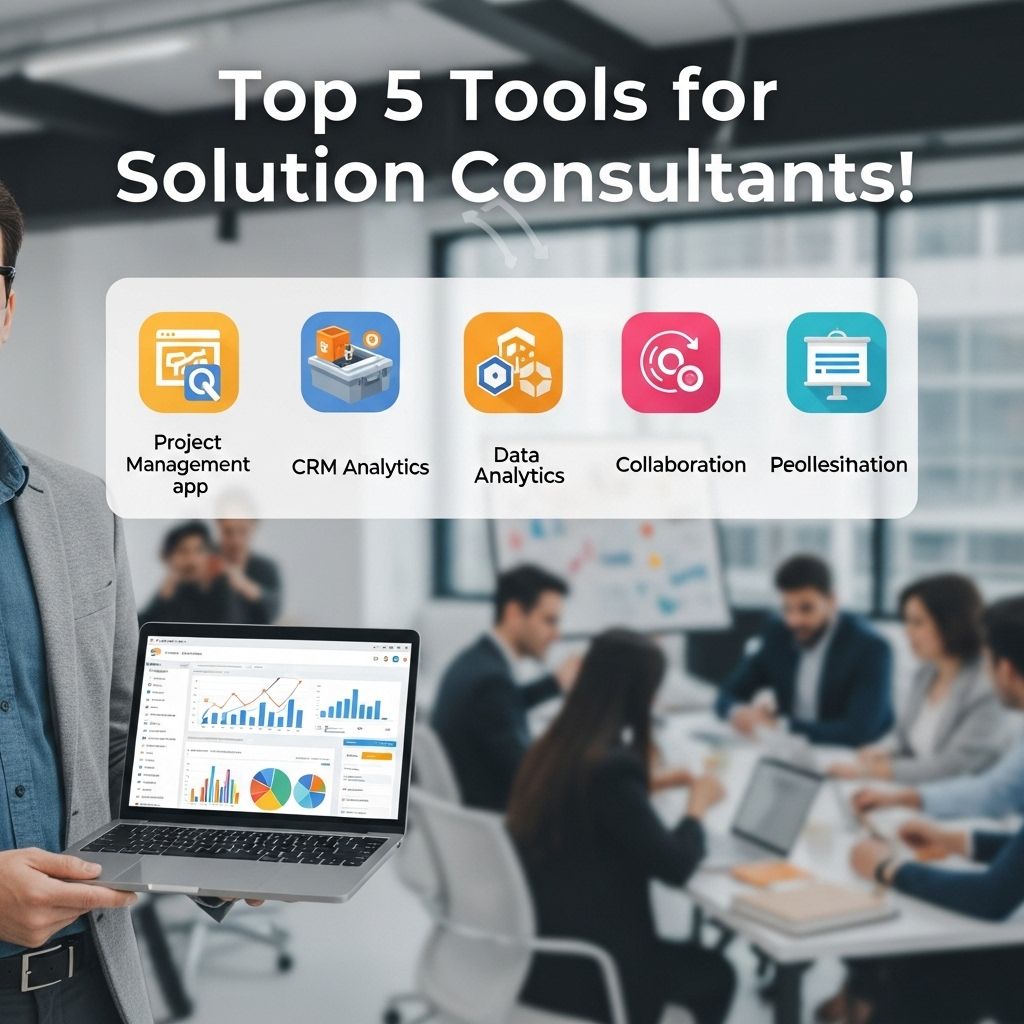

In the fast-paced world of technology and business solutions, solution consultants play a crucial role in bridging the gap between client needs and technical capabilities. As experts in understanding both the business landscape and the intricacies of technology, they must equip themselves with the right tools to analyze problems, design solutions, and communicate effectively with stakeholders. This article delves into the top five essential tools that every solution consultant should consider, ensuring they can deliver top-notch solutions and enhance client satisfaction.
Understanding the Role of a Solution Consultant
Before diving into the tools, it’s important to understand the responsibilities that come with being a solution consultant. A solution consultant typically:
- Interacts with clients to understand their business challenges and requirements.
- Analyzes current systems and processes to identify areas for improvement.
- Designs and proposes technology-driven solutions tailored to client needs.
- Collaborates with technical teams to ensure the feasibility of proposed solutions.
- Communicates effectively with both technical and non-technical stakeholders.
Essential Tools for Solution Consultants
1. Project Management Software
Effective project management is critical in ensuring that solutions are delivered on time and within scope. The following tools can help streamline project management:
| Tool | Features |
|---|---|
| Trello | Visual task management, collaboration boards, due dates, checklists. |
| Asana | Task assignments, project timelines, integrations with other tools, reporting features. |
| Jira | Agile project management, bug tracking, reporting, customizable workflows. |
Using project management software helps solution consultants keep track of project progress, manage deadlines, and facilitate communication among team members.
2. Customer Relationship Management (CRM) Systems
Understanding client relationships is fundamental for solution consultants. CRM tools provide insights into client interactions and history, allowing consultants to tailor their approach. Popular CRMs include:
- Salesforce: Offers a comprehensive view of customer interactions, sales tracking, and reporting functionalities.
- HubSpot: Known for its user-friendly interface and robust marketing integration capabilities.
- Zoho CRM: Affordable and customizable, ideal for small to mid-sized businesses.
3. Data Analysis and Visualization Tools
Being able to analyze data and present it in a comprehensible manner is vital. Data analysis tools can help consultants in:
- Identifying trends and patterns.
- Making data-driven decisions.
- Creating compelling visual presentations for stakeholders.
Leading data analysis and visualization tools include:
- Tableau: Provides powerful data visualization capabilities that help in creating interactive dashboards.
- Microsoft Power BI: Integrates seamlessly with Microsoft products and allows for extensive data modeling.
- Google Analytics: Offers insights into user behavior and website performance, crucial for digital solutions.
4. Communication and Collaboration Tools
Effective communication is key in a consultant’s role, especially when collaborating with clients and team members. The following tools facilitate seamless communication:
| Tool | Features |
|---|---|
| Slack | Real-time messaging, channels for team discussions, integrations with other tools. |
| Microsoft Teams | Video conferencing, team collaboration, document sharing, integrations with Office 365. |
| Zoom | High-quality video conferencing, screen sharing, recording features. |
5. Prototyping and Design Tools
When designing solutions, it is often beneficial to create prototypes to visualize the end product. Prototyping tools help in:
- Rapidly developing mock-ups of solutions.
- Gathering client feedback before full implementation.
- Ensuring alignment between client expectations and technical deliveries.
Some popular prototyping and design tools include:
- Adobe XD: Ideal for creating user experience designs and interactive prototypes.
- Figma: A web-based design tool that allows for real-time collaboration on designs.
- Sketch: A popular design tool for creating user interfaces, especially among Mac users.
Conclusion
In conclusion, solution consultants occupy a unique niche that requires a blend of technical expertise and interpersonal skills. By leveraging the right tools—from project management software to CRM systems and data visualization tools—consultants can enhance their efficiency, improve client relationships, and ultimately deliver better solutions. As technology continues to evolve, staying updated with the latest tools and methodologies will be crucial for success in this dynamic field.
FAQ
What are the primary tools used by solution consultants?
Solution consultants typically use tools such as CRM software (like Salesforce), project management tools (like Asana or Trello), data analytics platforms (like Google Analytics), presentation software (like Microsoft PowerPoint), and collaboration tools (like Slack or Microsoft Teams) to streamline their processes and enhance communication.
How can CRM software benefit a solution consultant?
CRM software helps solution consultants manage customer relationships, track sales leads, and analyze customer data, enabling them to provide tailored solutions and improve client satisfaction.
Why is project management software important for solution consultants?
Project management software is crucial for solution consultants as it allows them to plan, execute, and monitor projects efficiently, ensuring timely delivery of solutions and effective resource management.
What role do data analytics tools play in a solution consultant’s work?
Data analytics tools enable solution consultants to gather insights from data, assess performance metrics, and make informed decisions that enhance the effectiveness of their solutions.
How do collaboration tools aid solution consultants?
Collaboration tools facilitate communication and teamwork among solution consultants and their clients, allowing for real-time feedback and coordination, which is essential for successful project implementation.
What presentation tools should solution consultants consider?
Solution consultants should consider using presentation tools like Microsoft PowerPoint, Google Slides, or Prezi to create engaging presentations that effectively communicate their solutions to clients.