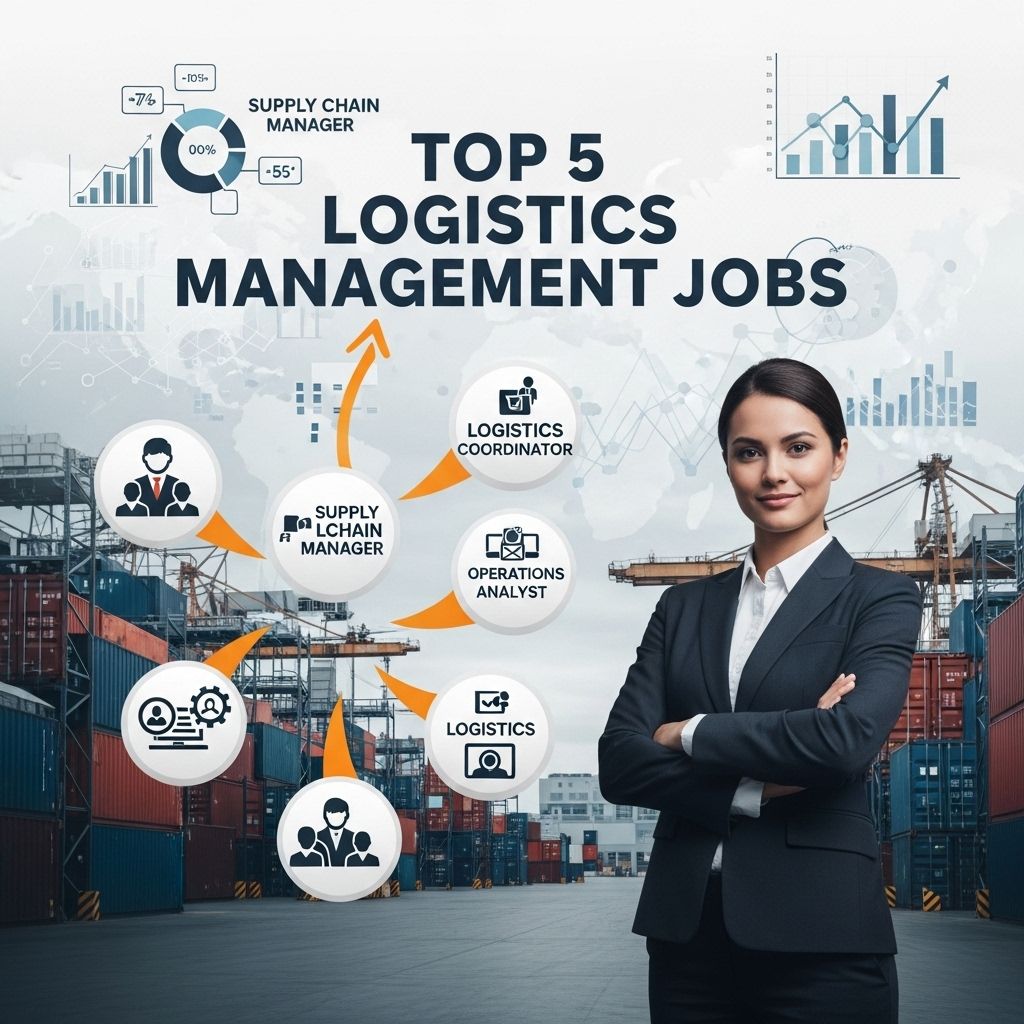

The logistics industry is an integral part of the global economy, ensuring that goods move efficiently from manufacturers to consumers. With the rise of e-commerce and global trade, the demand for skilled logistics professionals is at an all-time high. This article delves into the top five logistics management jobs that are not only in demand but also offer lucrative career opportunities for individuals looking to advance in this field.
1. Supply Chain Manager
Supply chain managers are responsible for overseeing the entire supply chain process, from procurement of materials to the delivery of products. They play a critical role in ensuring that the supply chain operates smoothly and efficiently.
Key Responsibilities
- Developing supply chain strategies
- Managing supplier relationships
- Monitoring inventory levels
- Forecasting demand and planning production
- Coordinating logistics operations
Qualifications
A bachelor’s degree in logistics, supply chain management, or a related field is typically required, along with experience in logistics operations. Certification from a recognized body, such as APICS, can enhance job prospects.
2. Logistics Analyst
Logistics analysts assess and optimize logistics operations by analyzing data and identifying areas for improvement. They utilize various software tools and methodologies to streamline processes and reduce costs.
Key Responsibilities
- Data analysis to improve logistics performance
- Identifying inefficiencies in logistics operations
- Recommending solutions for improvement
- Collaborating with other departments
- Preparing reports and presentations for management
Qualifications
Most logistics analyst positions require a bachelor’s degree in logistics or business, with strong analytical skills and proficiency in data analysis tools. Experience with supply chain software can also be beneficial.
3. Transportation Manager
Transportation managers oversee the transportation operations within an organization, ensuring that products are delivered efficiently and cost-effectively. This role requires a strong understanding of logistics and transportation regulations.
Key Responsibilities
- Managing transportation budgets and expenses
- Coordinating delivery schedules
- Ensuring compliance with transportation regulations
- Managing relationships with carriers
- Optimizing transportation routes to reduce costs
Qualifications
A degree in logistics, transportation management, or a related field is typically required. Experience in logistics and familiarity with transportation software are important for success in this role.
4. Warehouse Manager
Warehouse managers are responsible for overseeing the operations of warehouses, ensuring that products are stored and shipped efficiently. They manage inventory, staff, and warehouse layout.
Key Responsibilities
- Managing daily warehouse operations
- Overseeing inventory management and control
- Implementing safety protocols
- Training and supervising warehouse staff
- Coordinating order fulfillment processes
Qualifications
A bachelor’s degree in logistics, operations management, or a related field is typically required, along with experience in warehouse operations. Leadership skills and the ability to multitask are crucial.
5. Inventory Control Specialist
Inventory control specialists manage inventory levels, ensuring that stock is available when needed while minimizing excess. Their role is essential for maintaining the balance between supply and demand.
Key Responsibilities
- Monitoring inventory levels and making adjustments
- Conducting regular inventory audits
- Coordinating with suppliers and vendors
- Analyzing sales data to forecast inventory needs
- Implementing inventory management software
Qualifications
A degree in logistics, business, or a related field is typically required. Strong analytical and problem-solving skills are essential, along with experience with inventory management systems.
Conclusion
The logistics field is fast-paced and ever-evolving, offering a variety of career paths for those interested in supply chain management. From managing transportation to optimizing warehouse operations, there are numerous opportunities for growth and advancement. By focusing on the necessary skills and gaining relevant experience, aspiring logistics professionals can position themselves for successful careers in logistics management.
Additional Resources
For those interested in pursuing a career in logistics management, consider the following resources:
FAQ
What are the top logistics management jobs available?
The top logistics management jobs include Supply Chain Manager, Logistics Coordinator, Transportation Manager, Inventory Control Manager, and Operations Manager.
What skills are essential for a career in logistics management?
Essential skills for logistics management include strong analytical skills, excellent communication, problem-solving abilities, proficiency in logistics software, and knowledge of supply chain processes.
What qualifications do I need for logistics management jobs?
Typically, a bachelor’s degree in logistics, supply chain management, or a related field is required, along with relevant work experience and sometimes certifications such as APICS or CSCMP.
How can I advance my career in logistics management?
To advance your career in logistics management, consider gaining additional certifications, pursuing a master’s degree, networking within the industry, and seeking leadership roles.
What is the salary range for logistics management professionals?
Salaries for logistics management professionals can vary widely, but on average, they can expect to earn between $60,000 and $120,000 annually, depending on their role and experience.
What trends are shaping the future of logistics management?
Current trends shaping logistics management include increased automation, the use of AI and machine learning, sustainability practices, and the growing importance of e-commerce.