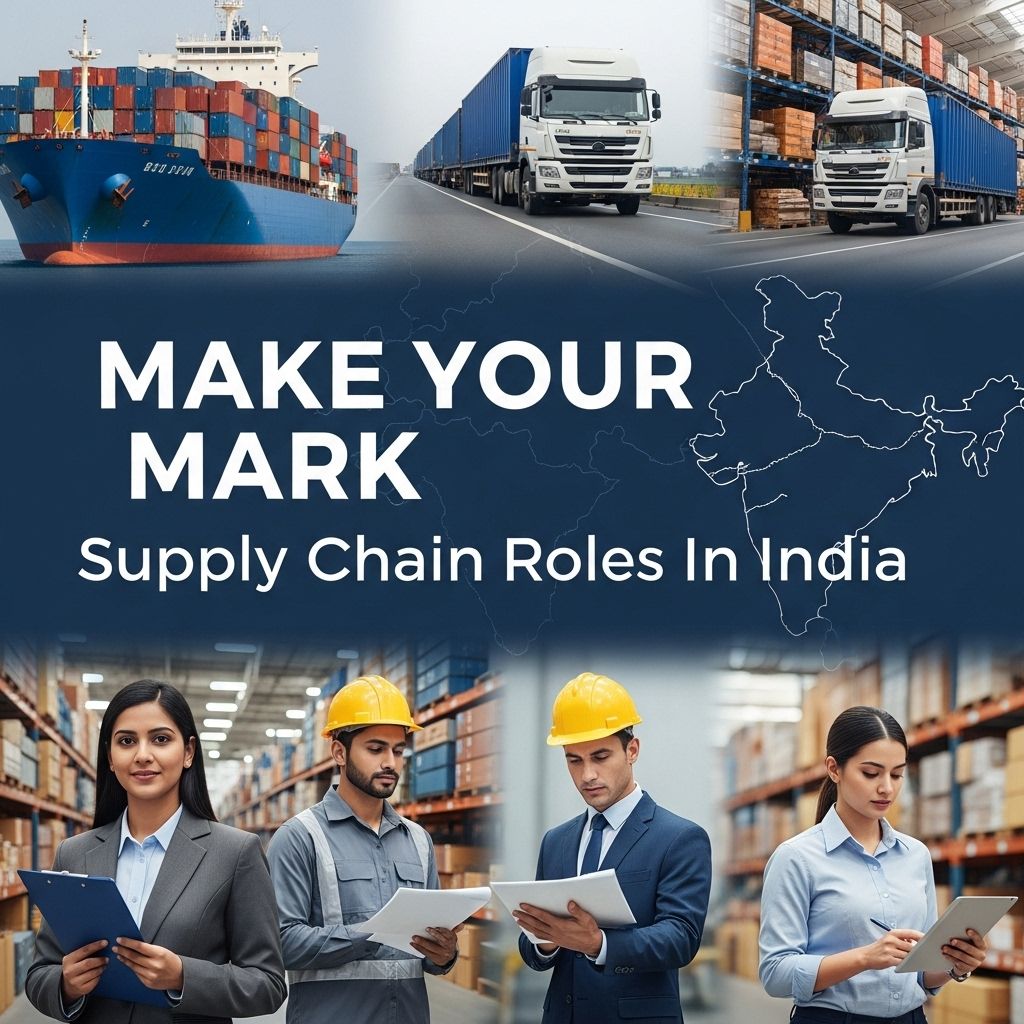

In the rapidly evolving landscape of global trade, supply chain management has emerged as a critical function for businesses striving for efficiency and competitiveness. As India continues to position itself as a hub for manufacturing and innovation, the demand for skilled professionals in supply chain roles is surging. This article delves into the various roles within the supply chain sector in India, exploring their significance, required skills, and future prospects.
Understanding Supply Chain Management
Supply chain management (SCM) encompasses the planning and management of all activities involved in sourcing, procurement, conversion, and logistics management. The objective is to create a seamless flow of goods and services from point of origin to end customer. Key components of SCM include:
- Procurement
- Production
- Inventory Management
- Transportation and Logistics
- Order Fulfillment
- Returns Management
Key Roles in Supply Chain Management
With the expansive growth in the supply chain sector, various roles have emerged that cater to diverse functions and responsibilities. Below are some essential roles in SCM:
1. Supply Chain Analyst
Supply chain analysts play a crucial role in assessing and optimizing supply chain processes. They gather data, analyze performance metrics, and provide recommendations for improvement.
Key Responsibilities:
- Data collection and analysis
- Identifying inefficiencies in supply chain operations
- Utilizing software tools for predictive analytics
- Reporting findings to management
Skills Required:
- Strong analytical skills
- Proficiency in data analysis software
- Problem-solving abilities
- Attention to detail
2. Supply Chain Manager
Supply chain managers oversee the entire supply chain process, ensuring that operations run smoothly and efficiently. They coordinate among various departments to meet organizational goals.
Key Responsibilities:
- Developing supply chain strategies
- Managing supplier relationships
- Monitoring inventory levels
- Coordinating logistics and transportation
Skills Required:
- Leadership and team management
- Strong negotiation skills
- Understanding of supply chain software
- Project management abilities
3. Logistics Coordinator
Logistics coordinators manage the transportation and storage of goods. They are responsible for ensuring that products are delivered on time and within budget.
Key Responsibilities:
- Planning and organizing logistics operations
- Communicating with suppliers and transporters
- Tracking shipments and resolving issues
- Maintaining records of transportation costs
Skills Required:
- Organizational skills
- Excellent communication abilities
- Problem-solving skills
- Knowledge of transportation regulations
4. Procurement Specialist
Procurement specialists are responsible for sourcing goods and services for the organization. They negotiate contracts and ensure that the company gets the best value for its purchases.
Key Responsibilities:
- Identifying suppliers and negotiating contracts
- Evaluating supplier performance
- Managing supplier relationships
- Ensuring compliance with procurement policies
Skills Required:
- Strong negotiation skills
- Analytical thinking
- Attention to detail
- Understanding of market trends
Emerging Trends in Supply Chain Roles
The supply chain landscape is transforming, influenced by technological advancements and changing consumer expectations. Some of the key trends include:
1. Digital Transformation
With the advent of technology, supply chains are becoming increasingly digitalized. This includes the use of:
- Artificial Intelligence (AI) for predictive analytics
- Blockchain for transparency and security
- Internet of Things (IoT) for real-time tracking
2. Sustainability
As businesses strive for sustainability, supply chain roles are evolving to incorporate eco-friendly practices, including:
- Reducing carbon footprints
- Implementing circular economy principles
- Enhancing supplier sustainability
3. Resilience and Agility
The COVID-19 pandemic highlighted the need for resilient supply chains. Future professionals must focus on:
- Building flexible supply chain networks
- Diversifying suppliers
- Adapting to market changes
Educational Pathways for Supply Chain Careers
To prepare for a career in supply chain management, aspiring professionals can pursue various educational pathways:
- Bachelor’s degree in Supply Chain Management, Business Administration, or Industrial Engineering
- Master’s degree in Supply Chain Management or MBA with a focus on operations
- Professional certifications such as APICS CPIM, CSCP, or CILT qualifications
Conclusion
The supply chain sector in India is poised for significant growth, driven by the need for efficiency and innovation. With a wide range of roles available, from analysts to managers, there is no shortage of opportunities for those looking to make their mark in this dynamic field. As technology continues to reshape the supply chain landscape, professionals equipped with the right skills will be in high demand, paving the way for a successful and impactful career.
FAQ
What are the key supply chain roles available in India?
Key supply chain roles in India include Supply Chain Manager, Logistics Coordinator, Procurement Specialist, Inventory Analyst, and Demand Planner.
What skills are essential for supply chain roles in India?
Essential skills include analytical thinking, project management, negotiation skills, proficiency in supply chain software, and strong communication abilities.
How can one start a career in supply chain management in India?
To start a career in supply chain management in India, pursue relevant education such as a degree in logistics or business, gain internships, and consider certifications like APICS or CSCP.
What industries in India offer the most supply chain job opportunities?
Industries like manufacturing, retail, e-commerce, pharmaceuticals, and food and beverage in India offer abundant supply chain job opportunities.
What is the future outlook for supply chain careers in India?
The future outlook for supply chain careers in India is promising, with growing demand for skilled professionals due to globalization and advancements in technology.
What certifications can enhance my prospects in supply chain roles in India?
Certifications such as Certified Supply Chain Professional (CSCP), Certified in Production and Inventory Management (CPIM), and Six Sigma can enhance your prospects in supply chain roles in India.