
In today’s rapidly evolving job market, the skills gap in various industries has become a pressing concern for organizations and individuals alike. As technology advances and new methodologies emerge, the demand for specific skills continues to rise, often leaving a void between what is needed and what is available in the workforce. A skills gap analysis serves as a crucial strategy for identifying these disparities, enabling organizations to enhance employee competencies and drive overall performance. This article serves as a comprehensive guide to creating and utilizing a skills gap analysis template in Excel, alongside effective strategies for implementation.
Understanding Skills Gap Analysis
Skills gap analysis is a systematic approach to evaluating the skills required for a particular job or industry against the existing skills of employees. It helps organizations identify the areas where their workforce is lacking, allowing them to address these gaps through training, recruitment, or development initiatives.
Importance of Skills Gap Analysis
- Improved Performance: By identifying gaps, organizations can better align training and development initiatives with their strategic objectives.
- Enhanced Employee Satisfaction: Addressing skills gaps can lead to more fulfilling work for employees, enhancing job satisfaction and retention.
- Competitive Advantage: Organizations with a skilled workforce can respond more quickly to market changes, gaining an edge over competitors.
- Informed Recruitment: Understanding skills needs helps organizations make better hiring decisions.
Key Elements of a Skills Gap Analysis
To conduct an effective skills gap analysis, several key elements should be considered:
- Define Objectives: What skills are critical for your organization to achieve its goals?
- Identify Required Skills: List the skills necessary for each role within the organization.
- Assess Current Skills: Evaluate the existing skills of employees to identify gaps.
- Analyze the Gap: Determine the extent of the skills gap and prioritize areas for development.
- Develop Action Plan: Create strategies for closing the gaps through training or recruitment.
Creating an Excel Template for Skills Gap Analysis
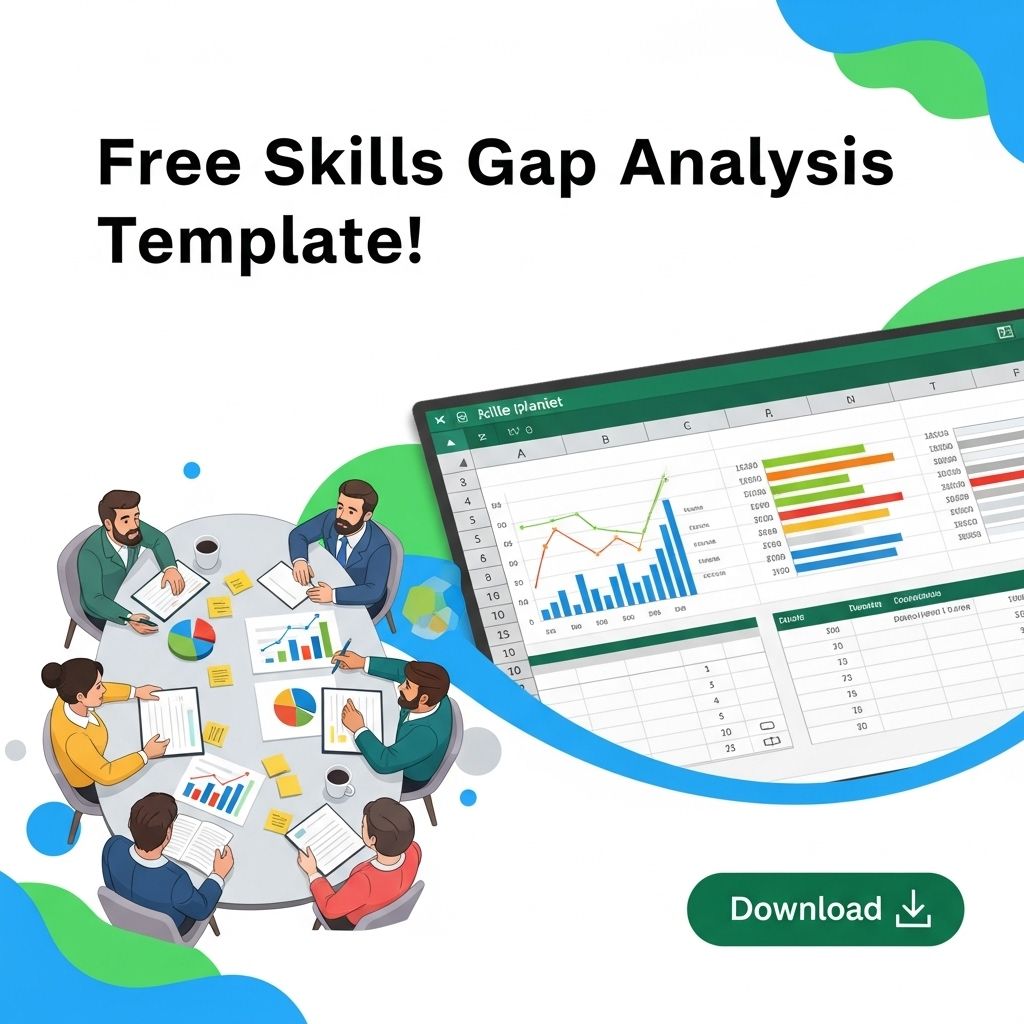
Utilizing Excel for skills gap analysis allows for flexibility and customization. Below is a step-by-step guide to creating your own Excel template.
Step 1: Set Up Your Spreadsheet
Begin by opening a new Excel workbook and setting up the following headers in the first row:
- Employee Name
- Job Title
- Required Skills
- Current Skills
- Skills Gap
- Priority Level
- Action Plan
Step 2: Populate Employee Data
Fill in the relevant employee data under each column:
| Employee Name | Job Title | Required Skills | Current Skills | Skills Gap | Priority Level | Action Plan |
|---|---|---|---|---|---|---|
| John Doe | Data Analyst | SQL, Python, Data Visualization | SQL, Excel | Python, Data Visualization | High | Enroll in Python course |
| Jane Smith | Software Engineer | Java, Agile Methodologies | Java | Agile Methodologies | Medium | Attend Agile workshop |
Step 3: Analyze Skills Gaps
For each employee, calculate the skills gap by comparing the required skills with the current skills. Highlight significant gaps and prioritize them based on the organization’s needs.
Step 4: Develop Action Plans
Lastly, outline specific action plans to bridge the skills gaps. This may include:
- Training and Development Programs
- On-the-Job Training
- Mentorship and Coaching
- External Workshops and Seminars
Strategies for Implementing Skills Gap Analysis
Having a template is just the beginning. Here are some strategies to effectively implement skills gap analysis within your organization:
1. Foster a Culture of Continuous Learning
Encourage employees to view skills development as an ongoing process. Providing access to resources for continual education can pave the way for improved skills.
2. Regular Assessments
Conduct skills assessments regularly, rather than as a one-time event. This helps in tracking progress and adjusting development plans as necessary.
3. Involve Employees
Engage employees in the process by soliciting their input on skills they believe are necessary for their roles. This participatory approach fosters buy-in and commitment.
4. Tailored Training Programs
Design training programs that cater to the specific needs of your workforce. Personalizing learning initiatives can enhance engagement and retention.
Conclusion
Performing a skills gap analysis using a structured Excel template can significantly enhance an organization’s understanding of its workforce capabilities. By identifying and addressing skills gaps, organizations position themselves for sustained growth and competitiveness in their respective industries. As the job market continuously evolves, maintaining a skilled workforce through effective skills gap analysis becomes not only advantageous but essential.
FAQ
What is a skills gap analysis?
A skills gap analysis is a process used to identify the difference between the skills an employee currently possesses and the skills they need to perform their job effectively.
How can I conduct a skills gap analysis?
To conduct a skills gap analysis, assess current skills, define the required skills for specific roles, compare the two, and identify the gaps that need to be filled.
What should be included in a skills gap analysis template?
A skills gap analysis template should include sections for employee names, current skills, required skills, gap identification, and action plans for skill development.
Where can I download a free skills gap analysis template in Excel?
You can download free skills gap analysis templates in Excel from various educational websites, HR resources, and template-sharing platforms.
Why is a skills gap analysis important for organizations?
A skills gap analysis is important because it helps organizations identify training needs, improve workforce capability, and align employee skills with business goals.
What strategies can I use to address skills gaps identified in the analysis?
Strategies to address skills gaps include offering targeted training programs, mentorship opportunities, hiring skilled talent, and implementing ongoing learning initiatives.