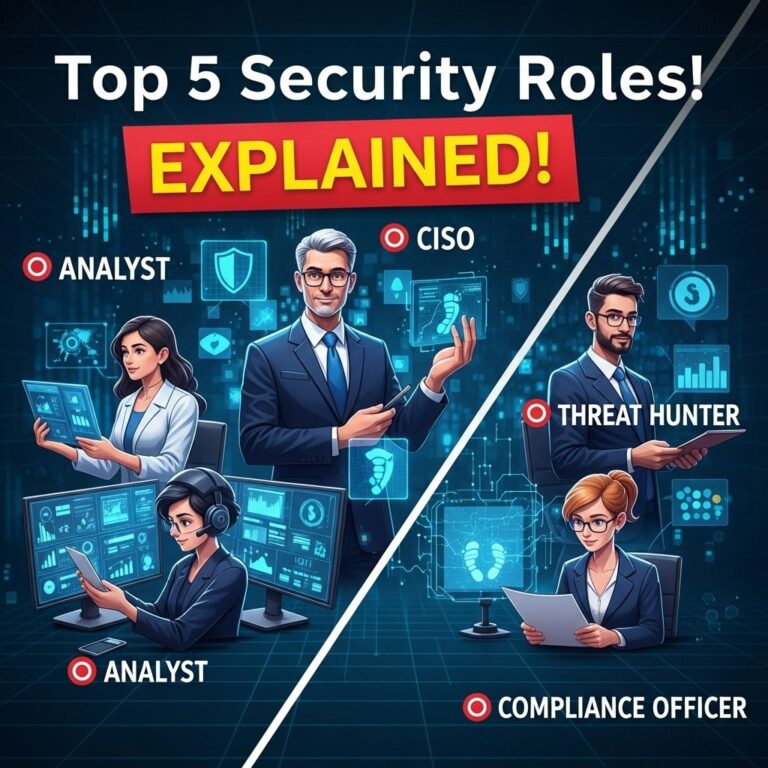
In today’s digital landscape, security operations play a crucial role in safeguarding organizations from a plethora of cyber threats. As the complexity of cyberattacks continues to grow, the need for well-defined roles and responsibilities within security operations becomes increasingly important. This article delves into the best practices for defining and executing security operations roles, ensuring that organizations can effectively protect their assets.
Understanding Security Operations
Security operations encompass a wide range of activities designed to monitor, detect, respond to, and recover from security incidents. This includes managing security tools, analyzing security events, investigating incidents, and ensuring compliance with regulations. Key components of security operations include:
- Threat Intelligence
- Incident Response
- Vulnerability Management
- Compliance Management
With these components in mind, it’s essential to establish clear roles and responsibilities to ensure that security operations function smoothly and effectively.
Defining Roles in Security Operations
Establishing well-defined roles within the security operations team can significantly enhance the team’s efficiency. Below are some of the critical roles commonly found within security operations:
1. Security Operations Center (SOC) Analyst
SOC Analysts are responsible for monitoring security alerts and events, analyzing logs, and responding to incidents. They serve as the first line of defense against cyber threats.
2. Incident Responder
This role focuses on responding to security incidents, coordinating with different teams for remediation, and ensuring that incidents are documented for future reference.
3. Threat Hunter
Threat hunters proactively search for threats within the network before they become significant issues using advanced tools and techniques.
4. Security Engineer
Security Engineers design and implement security solutions and technologies, ensuring that the organization’s infrastructure remains secure.
5. Compliance Officer
The Compliance Officer ensures that the organization adheres to regulatory requirements and standards, developing policies and training programs to promote compliance.
Best Practices for Defining Responsibilities
Once the roles are established, it’s essential to outline the responsibilities associated with each role. Here are some best practices:
1. Document Responsibilities Clearly
Each role should have a clearly defined set of responsibilities, documented in a way that is easily accessible to the team. This documentation should include:
- Key responsibilities and tasks
- Tools and technologies used
- Reporting structures and escalation procedures
2. Ensure Accountability
Assigning specific tasks to individuals helps establish accountability. Consider implementing a system to track the completion of tasks and responsibilities.
3. Regular Review and Update
As the threat landscape evolves, so should the roles and responsibilities within the security operations team. Regularly review and update the documentation to reflect changes in technology, threat vectors, or organizational structure.
Collaboration and Communication
Effective collaboration and communication among team members are essential for a successful security operations environment. Here are some strategies to enhance collaboration:
1. Daily Stand-Up Meetings
Short, daily meetings can help keep everyone on the same page regarding ongoing threats, incidents, and tasks.
2. Use Collaboration Tools
Utilize tools such as Slack, Microsoft Teams, or similar platforms to facilitate quick communication and information sharing.
3. Establish a Reporting Structure
Define a clear reporting structure to ensure smooth communication channels within the team and with other departments.
Training and Development
Investing in training and development is vital for maintaining a skilled security operations team. Consider the following:
1. Regular Training Sessions
Conduct regular training sessions on emerging threats, new technologies, and incident response strategies.
2. Encourage Certification
Encourage team members to obtain relevant certifications, such as Certified Information Systems Security Professional (CISSP), Certified Ethical Hacker (CEH), or Certified Information Security Manager (CISM).
3. Knowledge Sharing
Promote a culture of knowledge sharing within the team. This can include presentations, workshops, or informal discussions on recent incidents or findings.
Metrics and Performance Evaluation
Evaluating the performance of the security operations team is crucial for continuous improvement. Here are some metrics to consider:
1. Incident Response Time
Track how quickly the team responds to incidents, as this can reflect the team’s overall efficiency and effectiveness.
2. Number of Detected Threats
Monitor the number of threats detected and neutralized by the team to assess their effectiveness in proactive threat hunting.
3. Compliance Rate
Evaluate the organization’s compliance with regulatory requirements, as this can indicate the effectiveness of the Compliance Officer’s role.
Conclusion
In conclusion, establishing effective security operations roles and responsibilities is essential for any organization seeking to enhance its cybersecurity posture. By defining clear roles, ensuring accountability, fostering collaboration, investing in training, and measuring performance, organizations can create a robust security operations framework that is capable of defending against ever-evolving cyber threats. Staying proactive and adaptable in the face of emerging challenges will ensure that the security operations team remains effective in protecting organizational assets.
FAQ
What are the key responsibilities of a Security Operations Center (SOC) analyst?
A SOC analyst is responsible for monitoring security alerts, analyzing security incidents, responding to threats, and ensuring compliance with security policies and regulations.
How can organizations improve their incident response capabilities?
Organizations can improve incident response by developing an incident response plan, conducting regular training and simulations, and utilizing automated tools for threat detection and analysis.
What are the best practices for threat hunting in security operations?
Best practices for threat hunting include establishing a hypothesis, using advanced analytics and threat intelligence, collaborating with other teams, and continuously updating hunting techniques based on emerging threats.
Why is continuous monitoring important in security operations?
Continuous monitoring is crucial as it allows organizations to detect and respond to security threats in real time, minimizing potential damage and ensuring a proactive security posture.
How do I establish effective communication within a security operations team?
Effective communication in a security operations team can be established by conducting regular briefings, using collaborative tools, ensuring clear role definitions, and fostering a culture of transparency and teamwork.
What tools are essential for modern security operations?
Essential tools for modern security operations include Security Information and Event Management (SIEM) systems, intrusion detection systems, endpoint protection platforms, and threat intelligence solutions.