
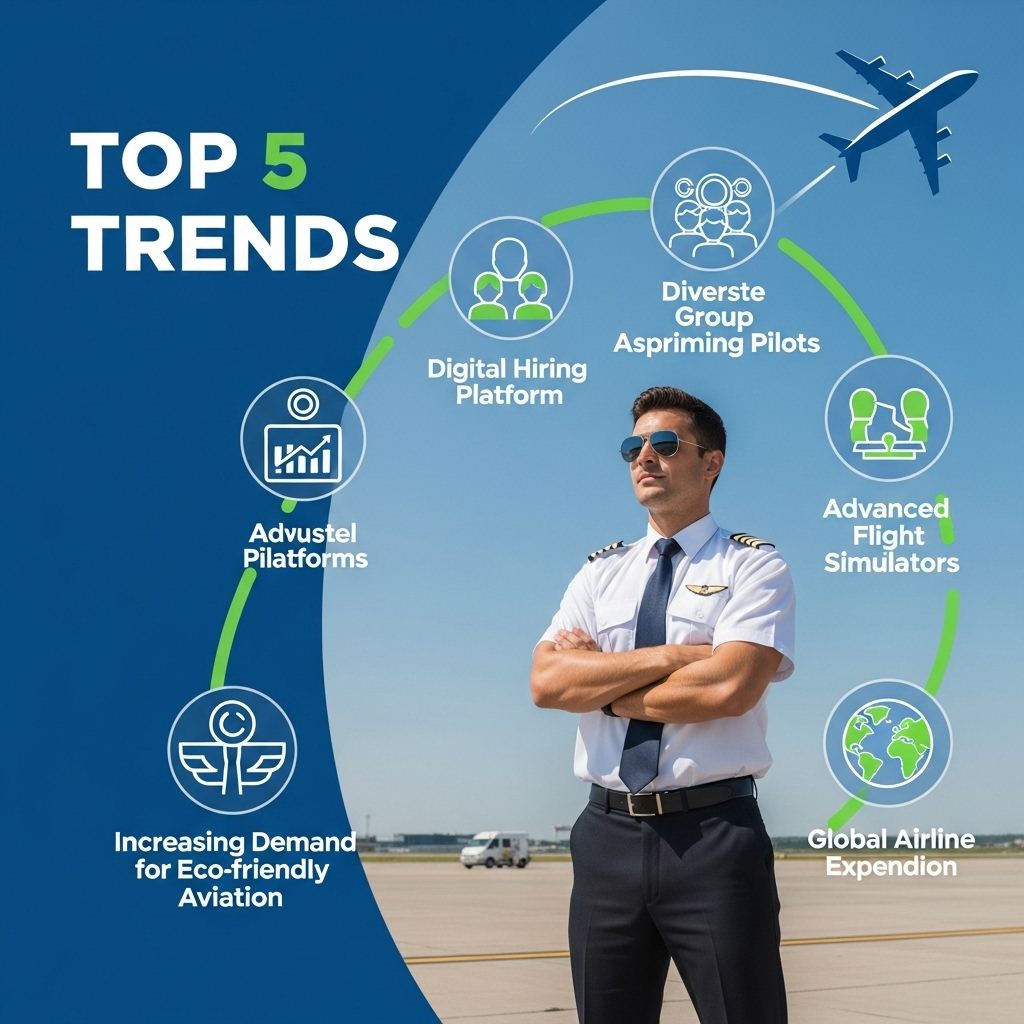

The aviation industry is undergoing a transformative phase, influenced by advancements in technology, shifts in traveler behavior, and changing economic landscapes. As airlines around the world ramp up their operations post-pandemic, the demand for skilled pilots has surged. This article explores the top trends in pilot hiring that are shaping the future of this critical workforce.
1. Increased Demand for Pilots
As air travel continues to recover, airlines are facing a substantial pilot shortage. This demand is driven by various factors:
- Post-Pandemic Recovery: Airlines are struggling to meet the rising demand for air travel, pushing them to hire more pilots.
- Retirements: A significant number of pilots are reaching retirement age, leading to a gap that needs to be filled.
- Growing Airline Fleets: New airlines are entering the market, and existing airlines are expanding their fleets, creating additional hiring opportunities.
2. Emphasis on Diversity and Inclusion
The aviation sector is increasingly recognizing the importance of diversity in the cockpit. Airlines are actively seeking to diversify their pilot workforce for several reasons:
Benefits of Diversity
- Brings different perspectives and problem-solving approaches.
- Enhances the airline’s image and appeal to a broader customer base.
- Improves team dynamics and communication in the cockpit.
Programs and initiatives focused on underrepresented groups are becoming more common, offering scholarships and mentorship to aspiring pilots.
3. Technology Integration in Hiring Processes
Advancements in technology are streamlining the pilot hiring process. Key technological trends include:
A. Virtual Reality (VR) and Simulation Assessments
Airlines are utilizing VR and advanced simulations to assess pilot candidates’ skills and decision-making abilities in realistic scenarios.
B. Artificial Intelligence (AI) in Recruitment
AI is being used to screen resumes, conduct initial interviews, and analyze candidate data, allowing for a more efficient hiring process.
4. Flexible Hiring Models
To adapt to the fluctuations in air travel demand, airlines are exploring flexible hiring models:
A. Contract Pilots
Some airlines are opting to hire contract pilots who can be brought on board during peak seasons and let go when demand decreases. This approach offers:
- Cost savings for airlines.
- Increased flexibility in managing workforce size.
B. Part-Time Positions
Part-time pilot roles are becoming more common, allowing airlines to employ pilots who may not be interested in full-time positions, such as retired pilots or those pursuing other careers.
5. Focus on Mental Health and Well-Being
As the aviation industry becomes more aware of the mental health challenges pilots face, airlines are prioritizing support systems to ensure their well-being:
A. Mental Health Programs
Many airlines are introducing mental health initiatives, including:
- Access to counseling services.
- Support groups for pilots.
- Training programs to recognize and deal with mental health issues.
B. Work-Life Balance Initiatives
Airlines are also looking at ways to provide pilots with a better work-life balance to reduce burnout.
| Initiative | Description |
|---|---|
| Flexible Scheduling | Allows pilots to adjust their schedules based on personal needs. |
| Time-Off Policies | Encourages pilots to take necessary breaks without penalty. |
Conclusion
The landscape of pilot hiring is evolving rapidly due to various factors, including technological advancements, the need for diversity, and a greater emphasis on mental health. As the aviation industry prepares for the future, understanding these trends will be crucial for aspiring pilots and airline operators alike. Embracing these changes will ensure a robust and resilient pilot workforce ready to face the challenges of a dynamic industry.
FAQ
What are the current trends in pilot hiring for 2023?
In 2023, the pilot hiring outlook reflects an increased demand for pilots due to the recovery of the aviation industry post-pandemic, with airlines focusing on hiring to meet the rising travel demand.
How is the pilot shortage affecting hiring trends?
The ongoing pilot shortage is prompting airlines to offer competitive salaries and benefits, focusing on attracting new talent and retaining experienced pilots.
Are airlines investing in pilot training programs?
Yes, many airlines are investing in pilot training programs to expedite the onboarding process and ensure a steady pipeline of qualified pilots.
What role does diversity play in pilot hiring trends?
Diversity is becoming a key focus in pilot hiring, with airlines actively seeking to recruit a more diverse workforce to better reflect the communities they serve.
How has technology impacted pilot hiring?
Technology has streamlined the hiring process, with airlines utilizing advanced recruitment tools and online assessments to identify suitable candidates more efficiently.


