In the rapidly evolving world of technology, certifications play a pivotal role in validating one’s skills and knowledge. For professionals looking to advance their careers, role-based certifications from Microsoft are particularly valuable. Not only do they enhance your professional credibility, but they can also lead to significant salary increases. In this article, we will explore various Microsoft role-based certifications that can boost your salary, detailing the skills they validate, the roles they cater to, and the financial benefits they can bring.
Understanding Microsoft Role-Based Certifications
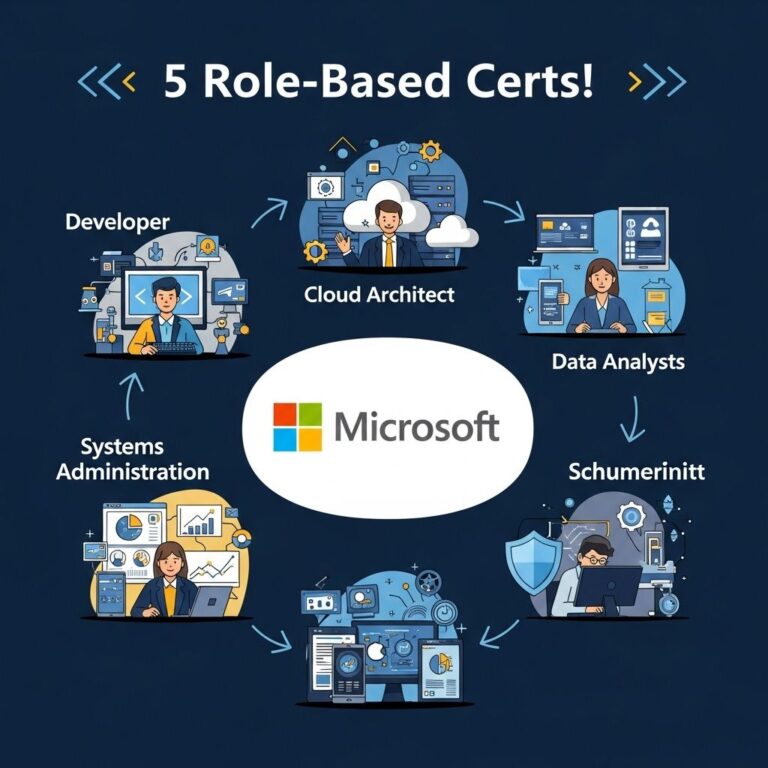
Microsoft offers a variety of certifications that are categorized into role-based tracks. These certifications are designed to ensure that professionals have the necessary skills and knowledge to perform specific roles within the tech industry. Key roles that these certifications cater to include:
- Azure Administrator
- Data Scientist
- DevOps Engineer
- Dynamics 365 Developer
- Security Engineer
The Importance of Role-Based Certifications
Role-based certifications help professionals stand out in a competitive job market. Here are some reasons why they are essential:
- Validation of Expertise: Certifications provide proof of your skills to potential employers.
- Career Advancement: Certifications can lead to promotions and new job opportunities.
- Higher Salary Potential: Certified professionals tend to earn more than their non-certified counterparts.
- Access to Resources: Certified individuals often gain access to exclusive resources and community support.
Top Microsoft Role-Based Certifications
Here is a detailed look at some of the most sought-after Microsoft certifications that can significantly enhance your earning potential:
1. Microsoft Certified: Azure Solutions Architect Expert
This certification validates your expertise in designing and implementing solutions that run on Microsoft Azure. It is perfect for professionals looking to elevate their careers in cloud computing.
Skills Measured:
- Designing infrastructure
- Implementing security controls
- Creating data storage solutions
- Developing for the cloud
Average Salary:
The average salary for Azure Solutions Architects is around $130,000 per year, with some experienced professionals earning even more.
2. Microsoft Certified: Azure Administrator Associate
This certification demonstrates your ability to implement, monitor, and maintain Microsoft Azure solutions. It’s ideal for those working as Azure administrators.
Skills Measured:
- Managing Azure subscriptions and resources
- Implementing storage solutions
- Configuring virtual networks
- Managing identities
Average Salary:
Azure Administrators earn an average salary of approximately $110,000 per year.
3. Microsoft Certified: Azure DevOps Engineer Expert
This certification is for professionals who combine people, process, and technologies to deliver valuable products and services that meet business objectives. It’s designed for those involved in DevOps practices.
Skills Measured:
- Developing an instrumentation strategy
- Implementing continuous integration and delivery
- Managing source control
- Implementing security and compliance
Average Salary:
DevOps Engineers with this certification can expect to earn around $125,000 annually.
4. Microsoft Certified: Data Analyst Associate
For those passionate about data analytics, this certification showcases your ability to help stakeholders make data-driven decisions using Power BI.
Skills Measured:
- Preparing data for analysis
- Modeling data
- Visualizing data
- Deploying and maintaining assets
Average Salary:
Data Analysts typically earn around $90,000 per year.
5. Microsoft Certified: Security, Compliance, and Identity Fundamentals
This entry-level certification is ideal for individuals looking to understand security and compliance concepts and methodologies.
Skills Measured:
- Understanding security principles
- Identifying compliance requirements
- Managing identities and access
Average Salary:
Security professionals with foundational certifications earn about $95,000 on average.
How to Prepare for Microsoft Certifications
Preparing for Microsoft certifications requires a strategic approach. Here are some tips to help you succeed:
1. Understand the Exam Structure
Familiarize yourself with the format, number of questions, and types of questions you will encounter.
2. Use Microsoft Learning Resources
Microsoft offers a variety of learning paths and resources, including:
- Microsoft Learn modules
- Official practice exams
- Online forums and communities
3. Hands-On Experience
Practical experience is invaluable. Set up your own lab environments to gain hands-on experience with the technologies you’ll be tested on.
Conclusion
Investing in Microsoft role-based certifications can substantially increase your earning potential and open up new career opportunities. By validating your skills and knowledge in high-demand areas, you position yourself as a valuable asset in the tech industry. Whether you’re a seasoned professional or just starting, pursuing these certifications can set you on a path to success.
FAQ
What are role-based certifications from Microsoft?
Role-based certifications from Microsoft are professional credentials that validate your skills and knowledge in specific job roles, such as Azure Administrator, Microsoft 365 Certified: Security Administrator, and more.
How can Microsoft role-based certifications boost my salary?
Achieving Microsoft role-based certifications can enhance your qualifications, making you more competitive in the job market, which can lead to higher salary offers and promotions.
Which Microsoft certifications are considered the most valuable for salary increase?
Certifications such as Microsoft Certified: Azure Solutions Architect Expert, Microsoft Certified: Azure DevOps Engineer Expert, and Microsoft Certified: Security, Compliance, and Identity Fundamentals are often regarded as highly valuable for salary growth.
How do I choose the right Microsoft certification for my career?
Consider your current job role, career goals, and the skills in demand in your industry. Research job postings to see which certifications employers prefer.
Are there any prerequisites for obtaining Microsoft role-based certifications?
While some Microsoft certifications have recommended experience levels or prior certifications, many do not have strict prerequisites, allowing professionals at various experience levels to pursue them.
How often do Microsoft certifications need to be renewed?
Most Microsoft role-based certifications need to be renewed every year to ensure that certification holders stay up-to-date with the latest technologies and practices.