In the rapidly evolving landscape of technology, understanding and enhancing your skill set is crucial for career advancement. One effective way to boost your employability and earning potential is through role-based certifications offered by Microsoft. These certifications not only validate your skills but also demonstrate your commitment to professional development in a competitive job market. In this article, we will explore the different types of Microsoft role-based certifications, their benefits, and how to strategically pursue them to maximize your earnings.
Understanding Role-Based Certifications
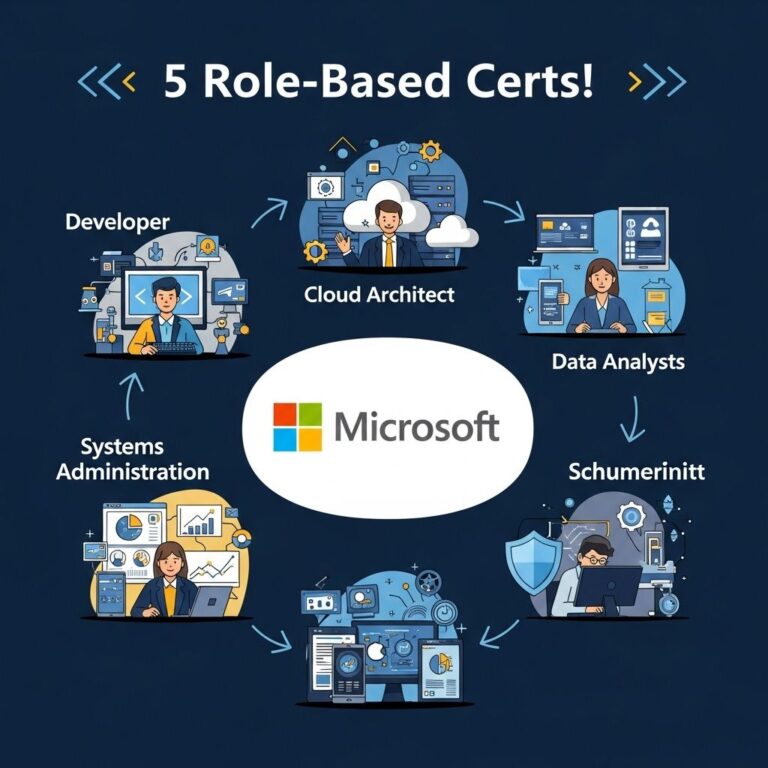
Role-based certifications are designed to prove skills necessary for specific job roles. Microsoft offers a variety of certifications tailored to different career paths, including developers, administrators, and data analysts. Each certification provides a clear pathway for learning and mastering the skills required in today’s job market.
Types of Microsoft Role-Based Certifications
Microsoft provides several categories of role-based certifications, such as:
- Azure Certifications: Focused on cloud services and solutions.
- Microsoft 365 Certifications: Emphasize skills for productivity in the workplace.
- Power Platform Certifications: Focus on automating business processes and analyzing data.
- Dynamics 365 Certifications: Concentrate on business applications and customer engagement.
Benefits of Microsoft Role-Based Certifications
Investing in Microsoft certifications comes with numerous benefits:
- Increased Earning Potential: Certified professionals often earn higher salaries compared to non-certified peers. According to recent studies, certified individuals can command salaries that are 10-20% higher.
- Career Advancement: Certifications can help you stand out in a crowded job market, increasing your chances of promotions and new job opportunities.
- Skill Validation: Employers value certifications as they provide proof of your skills and knowledge in specific areas.
- Access to Exclusive Resources: Certified professionals often gain access to exclusive training resources and communities, helping them stay updated with the latest technologies.
How to Choose the Right Certification
Choosing the right certification is critical for ensuring that your investment aligns with your career goals. Consider the following factors:
| Factor | Considerations |
|---|---|
| Career Goals | Identify your desired job role and the skills required. |
| Industry Demand | Research which certifications are in high demand in your industry. |
| Skill Level | Choose certifications that match your current skill level. |
| Time and Cost | Evaluate the time commitment and financial investment required. |
Steps to Achieve Microsoft Certifications
Achieving a Microsoft certification involves several key steps:
- Research: Start by researching the certification requirements and exam details.
- Preparation: Utilize Microsoft’s official learning paths, online courses, and study guides.
- Practice: Engage in hands-on practice through labs and projects to reinforce your knowledge.
- Schedule the Exam: Once you feel prepared, schedule your exam through the official Microsoft certification portal.
- Continuous Learning: After achieving certification, continue your education to stay updated on new technology trends and updates.
Popular Role-Based Certifications
Here’s a list of some of the most sought-after Microsoft role-based certifications:
- Microsoft Certified: Azure Solutions Architect Expert
- Microsoft Certified: Azure Developer Associate
- Microsoft Certified: Modern Desktop Administrator Associate
- Microsoft Certified: Data Analyst Associate
- Microsoft Certified: Security, Compliance, and Identity Fundamentals
Leveraging Certifications for Career Growth
After obtaining certifications, it’s essential to leverage them effectively:
Update Your Resume
Ensure that your resume reflects your new certifications prominently. Highlight relevant skills and experiences that showcase your qualifications.
Network with Professionals
Join professional organizations and online communities related to your certification. Networking can open doors to job opportunities and collaborations.
Utilize LinkedIn
Update your LinkedIn profile with your certifications to enhance visibility among recruiters. Engage with content related to your field to establish yourself as a thought leader.
Conclusion
Investing in Microsoft role-based certifications is a strategic move for tech professionals looking to enhance their skills and maximize their earnings. With the right approach—selecting relevant certifications, leveraging them effectively, and continuously updating your knowledge—you can significantly advance your career in the tech industry. Begin your journey today, and unlock the potential that these certifications can bring to your professional life.
FAQ
What are role-based certifications from Microsoft?
Role-based certifications from Microsoft are designed to validate skills and knowledge for specific job roles in cloud computing, data management, and application development.
How can Microsoft role-based certifications help maximize my earnings?
Obtaining Microsoft role-based certifications can enhance your resume, making you more competitive in the job market and potentially leading to higher salaries and better job opportunities.
Which Microsoft role-based certifications are the most sought after?
Some of the most sought-after Microsoft role-based certifications include Microsoft Certified: Azure Solutions Architect Expert, Microsoft Certified: Azure Developer Associate, and Microsoft Certified: Data Analyst Associate.
How long does it take to prepare for Microsoft role-based certifications?
Preparation time varies by individual and the specific certification, but typically ranges from a few weeks to several months, depending on your prior knowledge and experience.
Are there any prerequisites for Microsoft role-based certifications?
While there are no strict prerequisites for most Microsoft role-based certifications, it is recommended to have foundational knowledge in relevant areas and practical experience before attempting the exams.
Where can I find resources to study for Microsoft role-based certifications?
Resources for studying include Microsoft’s official learning paths, online courses, practice exams, and community forums that provide support and insights from other candidates.