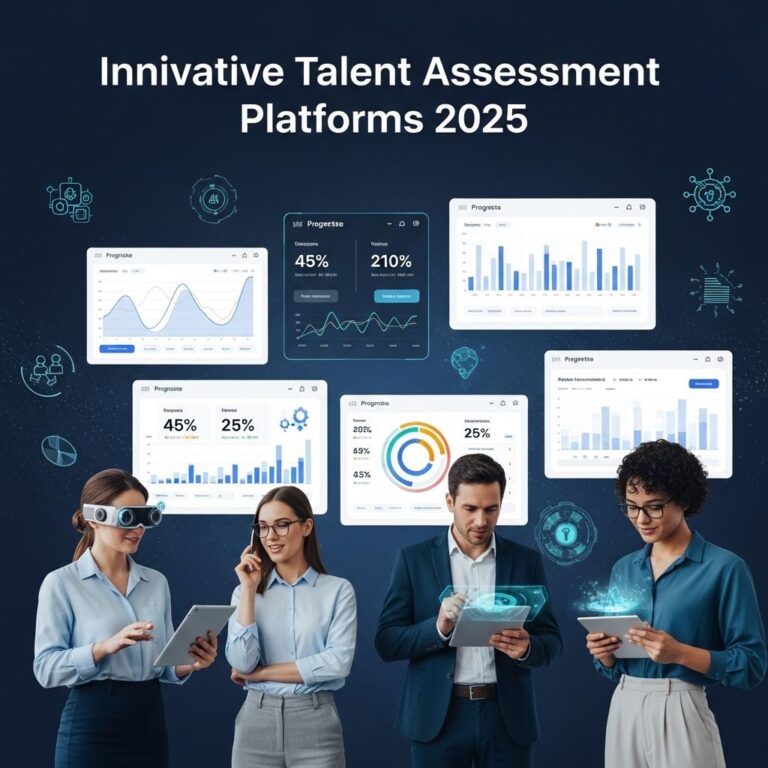
In today’s rapidly evolving business landscape, effective workforce planning is crucial for organizations striving to optimize performance and ensure that they have the right talent in the right roles at the right time. With the integration of advanced analytics and insights, companies can transform their workforce planning strategies from a reactive approach to a proactive one. This article delves into mastering workforce planning insights and analytics, exploring methodologies, tools, and best practices that can empower organizations to make data-driven decisions.
Understanding Workforce Planning
Workforce planning involves the strategic alignment of an organization’s human resources with its business objectives. It encompasses various activities, including forecasting staffing needs, assessing current workforce capabilities, and identifying skills gaps. Proper workforce planning ensures that an organization can effectively manage its talent pool to meet both current and future demands.
The Importance of Analytics in Workforce Planning
Analytics plays a pivotal role in enhancing workforce planning by providing data-driven insights that inform decision-making processes. Here are some key benefits of leveraging analytics:
- Enhanced Decision-Making: Data analytics provides managers with actionable insights that facilitate informed decisions regarding hiring, training, and organizational restructuring.
- Improved Forecasting: Predictive analytics helps organizations anticipate future workforce needs based on historical data and trends.
- Increased Efficiency: By identifying redundant roles and inefficiencies, analytics allows organizations to streamline their workforce and reduce costs.
- Better Talent Management: Insights derived from employee data can enhance recruitment strategies, retention efforts, and employee development programs.
Key Components of Workforce Planning Insights
1. Data Collection
The foundation of effective analytics in workforce planning is robust data collection. Organizations should gather data from various sources, including:
- Employee records and performance evaluations
- Recruitment metrics and turnover rates
- Training and development program outcomes
- Market trends and labor statistics
2. Data Analysis
Once data is collected, it must be analyzed to extract meaningful insights. Common analytical techniques include:
- Descriptive Analytics: Provides insights based on historical data to understand past performance.
- Predictive Analytics: Uses statistical models to forecast future workforce trends and needs.
- Prescriptive Analytics: Offers recommendations for optimizing workforce strategies based on data insights.
3. Visualization Tools
Data visualization tools are essential for presenting complex data in an understandable format. These tools help stakeholders grasp insights quickly and make informed decisions. Popular visualization tools include:
| Tool | Description | Key Features |
|---|---|---|
| Tableau | Interactive data visualization software | Drag-and-drop interface, dashboards, real-time data analytics |
| Power BI | Business analytics service by Microsoft | Customizable reports, integration with Excel, cloud capabilities |
| Google Data Studio | Free data visualization tool from Google | Integration with Google Sheets, collaborative features, customizable dashboards |
Implementing Analytics for Effective Workforce Planning
Step 1: Define Objectives
Before diving into workforce analytics, organizations need to clearly define their objectives. Some common objectives include:
- Reducing turnover rates
- Improving employee engagement
- Identifying skills gaps
- Enhancing recruitment strategies
Step 2: Choose the Right Tools
Selecting appropriate analytical tools is crucial. Factors to consider include:
- Integration capabilities with existing HR systems
- User-friendliness for non-technical staff
- Scalability to accommodate future growth
Step 3: Establish a Data Governance Framework
Data governance ensures the accuracy, privacy, and security of workforce data. Key components of a data governance framework include:
- Data accuracy and validation protocols
- Data privacy compliance measures (e.g., GDPR)
- Access control policies for sensitive information
Best Practices in Workforce Planning Analytics
1. Encourage a Data-Driven Culture
Fostering a culture that values data-driven decision-making is essential. Organizations can promote this culture by:
- Training staff on data literacy
- Recognizing and rewarding data-driven initiatives
- Involving employees in analytics projects
2. Continuous Monitoring and Adaptation
Workforce needs are dynamic. Continuous monitoring of workforce analytics is vital for adapting strategies to changing conditions. Organizations should:
- Regularly review analytics reports
- Solicit feedback from employees about workforce changes
- Adjust forecasts based on emerging trends
3. Collaborate Across Departments
Workforce planning should not be siloed. Collaboration between HR, finance, and operations departments is crucial. Achieving cross-departmental collaboration involves:
- Establishing a workforce planning task force
- Sharing insights and data across departments
- Co-developing workforce strategies
Conclusion
Mastering workforce planning insights and analytics is a journey that requires commitment, investment, and strategic alignment. By leveraging data effectively, organizations can enhance their workforce strategies, driving engagement, efficiency, and overall business success. As the workplace continues to evolve, those who embrace data-driven workforce planning will undoubtedly gain a competitive edge, ensuring they remain agile and responsive to the ever-changing demands of the market.
FAQ
What is workforce planning and why is it important?
Workforce planning is the process of assessing an organization’s current and future workforce needs to ensure that the right people are in the right roles. It is important for optimizing productivity, reducing costs, and aligning workforce capabilities with business goals.
What are the key components of effective workforce planning?
Key components of effective workforce planning include data analysis, forecasting workforce needs, understanding employee skills, and aligning talent management strategies with business objectives.
How can analytics improve workforce planning?
Analytics can improve workforce planning by providing insights into employee performance, predicting turnover rates, identifying skill gaps, and enabling data-driven decision-making for recruitment and training.
What tools are available for workforce planning insights and analytics?
Various tools are available for workforce planning, including HR analytics software, workforce management systems, and data visualization tools that help organizations analyze employee data and forecast future needs.
How can organizations ensure successful implementation of workforce planning strategies?
Organizations can ensure successful implementation by engaging stakeholders, investing in training, regularly reviewing and adjusting plans based on data insights, and leveraging technology to streamline processes.
What role does employee engagement play in workforce planning?
Employee engagement plays a crucial role in workforce planning as engaged employees are more productive and less likely to leave, allowing organizations to better forecast their workforce needs and reduce turnover.