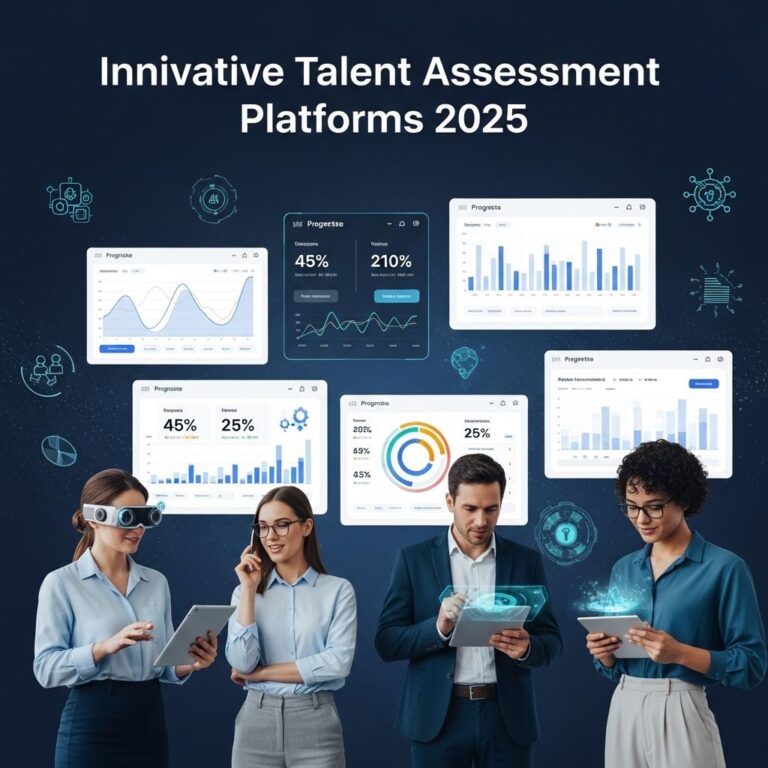
In today’s rapidly evolving business landscape, effective workforce planning has become a critical component for organizations aiming to achieve strategic objectives. This process goes beyond simply filling vacancies; it involves anticipating future staffing needs, aligning talent with business goals, and optimizing workforce productivity. In this article, we will delve into the nuances of workforce planning, exploring its importance, key components, and strategies to master it.
The Importance of Workforce Planning
Workforce planning serves as the backbone of human resource management, directly influencing an organization’s effectiveness and efficiency. Here are some reasons why mastering workforce planning is crucial:
- Alignment with Business Goals: Ensures that human resources are aligned with the strategic goals of the organization.
- Cost Management: Helps in managing labor costs effectively by avoiding overstaffing or understaffing.
- Talent Acquisition: Facilitates proactive recruitment strategies, allowing organizations to attract and retain top talent.
- Risk Mitigation: Assists in identifying potential skill gaps and planning for future workforce requirements.
- Employee Satisfaction: Leads to a more engaged and satisfied workforce through effective role placements.
Key Components of Workforce Planning
To master workforce planning, it’s essential to understand its critical components. These elements work together to create a comprehensive plan that addresses both immediate and long-term staffing needs.
1. Demand Analysis
Understanding the demand for various roles within your organization is the first step in workforce planning. This includes analyzing:
- Current staffing levels
- Projected organizational growth
- Labor market trends
2. Supply Analysis
Next, assess the current supply of talent within your organization. This entails:
- Evaluating existing employee skills
- Identifying potential internal candidates for key roles
- Understanding the external labor market
3. Gap Analysis
After assessing demand and supply, organizations must conduct a gap analysis to identify discrepancies between the workforce supply and demand. This analysis should address:
- Skill shortages
- Upcoming retirements or attrition rates
- Market conditions affecting recruitment
4. Action Planning
Once gaps are identified, organizations can develop strategies to address them. Action planning may include:
- Training and development programs
- Recruitment campaigns
- Succession planning initiatives
Strategies for Effective Workforce Planning
Mastering workforce planning requires the implementation of effective strategies that can adapt to changing organizational needs. Here are key strategies to consider:
Utilize Data Analytics
Data analytics plays a crucial role in workforce planning. By leveraging data, organizations can:
- Predict future hiring needs based on historical trends
- Analyze employee turnover rates to improve retention strategies
- Measure the effectiveness of training programs
Implement Flexible Workforce Models
With the rise of remote and hybrid work models, organizations must be agile in their workforce planning. Consider the following:
- Creating a mix of full-time, part-time, and contract roles
- Adapting to remote work capabilities to widen talent pools
- Utilizing freelancers for specialized projects
Continuous Improvement
Workforce planning is not a one-time event but an ongoing process. Organizations should regularly:
- Review and update workforce plans based on market changes
- Solicit feedback from employees regarding role satisfaction
- Conduct post-implementation reviews of workforce initiatives
Tools for Workforce Planning
The right tools can significantly enhance the effectiveness of workforce planning efforts. Here are some popular tools and software that organizations can utilize:
| Tool | Description | Key Features |
|---|---|---|
| Workday | Cloud-based HCM software | Real-time analytics, talent management, workforce forecasting |
| SAP SuccessFactors | Comprehensive talent management suite | Employee lifecycle management, performance tracking, reporting |
| ADP Workforce Now | HR, payroll, and talent management solution | Integrated payroll, time tracking, benefits administration |
| Oracle HCM Cloud | End-to-end HCM platform | Recruitment, workforce analytics, compensation management |
| Monday.com | Project management tool with workforce features | Task management, timelines, team collaboration |
Challenges in Workforce Planning
While mastering workforce planning is vital, organizations often face several challenges, including:
1. Changing Business Needs
Rapid changes in business landscape make it difficult to predict staffing needs accurately.
2. Talent Shortages
Many industries are currently experiencing a shortage of qualified candidates, making hiring challenging.
3. Employee Retention
High turnover rates can disrupt workforce plans and lead to increased recruiting costs.
Conclusion
Workforce planning is an essential function of human resource management that warrants careful attention and strategic thought. By understanding its components, implementing effective strategies, utilizing the right tools, and continuously improving processes, organizations can not only meet their staffing needs but also create a thriving, engaged workforce. In an era where talent is the most valuable asset, mastering workforce planning is not just advantageous—it’s imperative for long-term success.
FAQ
What is workforce planning?
Workforce planning is the process of analyzing an organization’s current workforce and forecasting future needs to ensure that the right people are in the right roles at the right time.
Why is workforce planning important?
Workforce planning is crucial for optimizing resource allocation, improving employee productivity, and aligning the workforce with business goals, ultimately leading to improved organizational performance.
What are the key steps in workforce planning?
The key steps in workforce planning include assessing current workforce capabilities, forecasting future workforce needs, identifying gaps, and creating strategies to close those gaps.
How can technology aid in workforce planning?
Technology aids workforce planning by providing data analytics tools, workforce management software, and predictive modeling that help organizations make informed decisions about hiring, training, and resource allocation.
What skills are essential for effective workforce planning?
Essential skills for effective workforce planning include data analysis, strategic thinking, communication, and an understanding of labor market trends and organizational goals.
How often should organizations conduct workforce planning?
Organizations should conduct workforce planning regularly, at least annually, or more frequently if there are significant changes in business strategy, market conditions, or workforce demographics.