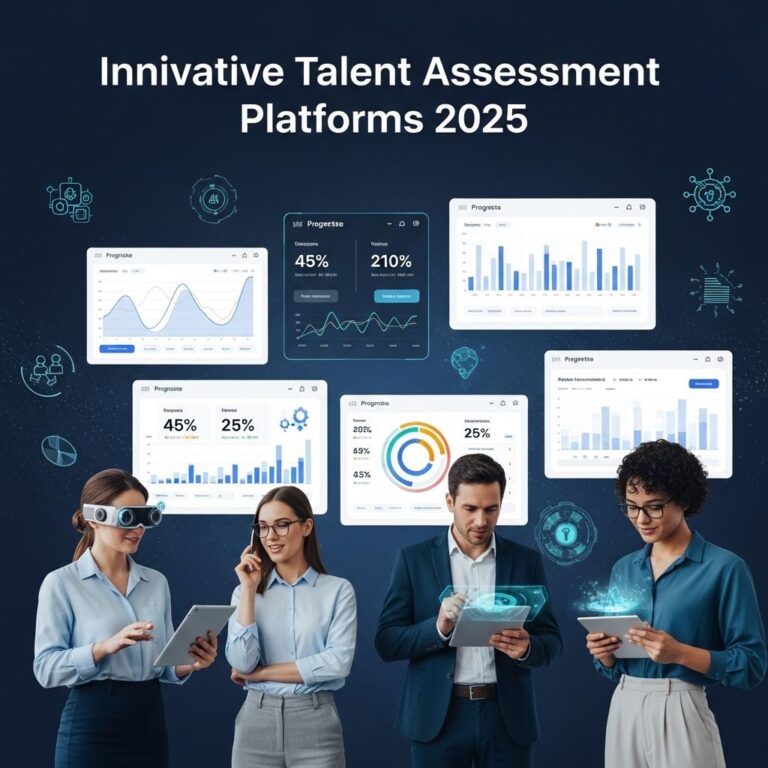
In today’s rapidly evolving business landscape, scaling up an organization efficiently is crucial for sustained growth and innovation. Hiring the right talent quickly and effectively can be a challenging task, especially when the roles demand specific skill sets and cultural fits. In this article, we will explore comprehensive strategies to master scaleup hiring, ensuring you attract top-tier talent and build a cohesive team that supports your organization’s goals.
The Importance of a Scalable Hiring Strategy
As startups transition into scaleups, the need for a robust hiring strategy becomes increasingly important. A scalable hiring process allows organizations to:
- Improve the quality of hire through structured interviews.
- Reduce time-to-fill positions.
- Enhance team diversity and inclusion.
- Ensure alignment with the company culture and values.
Understanding Scaleup Dynamics
Scaleups are characterized by rapid growth, often accompanied by an expanding workforce. Understanding the dynamics of a scaleup environment helps in aligning hiring processes with overarching business goals. Key characteristics include:
- Increased demand for specialized roles.
- A shift in focus from product development to market expansion.
- Higher expectations for employee performance.
Developing a Clear Job Framework
The foundation of effective hiring begins with a clear job framework. This involves outlining the responsibilities, skills, and competencies required for each position.
Steps to Create a Job Framework
- Define Roles Clearly: Use clear language to define job titles, responsibilities, and expectations.
- Identify Key Competencies: Focus on the technical and soft skills that are essential for success in the role.
- Involve Team Leaders: Collaborate with department heads to ensure alignment with team needs.
Sample Job Framework Table
| Job Title | Key Responsibilities | Required Skills |
|---|---|---|
| Software Engineer | Develop and maintain applications | Java, Python, Agile methodology |
| Product Manager | Oversee product lifecycle | Market research, UX design, project management |
| Marketing Specialist | Execute marketing campaigns | SEO, analytics, communication |
Streamlining the Recruitment Process
Once the job framework is established, the next step is to streamline the recruitment process. A well-organized recruitment process enhances the candidate experience and increases the likelihood of attracting top talent.
Utilizing Technology in Recruitment
Leverage technology to automate various aspects of the recruitment process, such as:
- Applicant Tracking Systems (ATS): Use ATS to manage applications and track candidate progress.
- AI-Powered Screening: Implement AI tools to screen resumes and shortlist candidates based on predefined criteria.
- Video Interview Platforms: Utilize video interviews to save time and allow flexibility in scheduling.
Enhancing Candidate Experience
Creating a positive candidate experience is essential for attracting top talent. Candidates are more likely to accept offers from companies that prioritize their experience throughout the hiring process.
Best Practices for Candidate Experience
- Clear Communication: Maintain open lines of communication regarding the application status.
- Feedback Mechanism: Provide constructive feedback to candidates, regardless of the outcome.
- Onboarding Process: Ensure a smooth onboarding experience that integrates new hires into the company culture.
Building a Diverse Talent Pool
Inclusion and diversity should be at the forefront of your hiring strategy. A diverse workforce leads to improved problem-solving and innovation.
Strategies for Inclusive Hiring
- Widen Your Search: Advertise job openings on platforms that reach underrepresented communities.
- Unbiased Job Descriptions: Use language that is inclusive and free from gender bias.
- Diversity Training: Train hiring managers and interviewers on the importance of diversity and inclusion.
Measuring Success in Hiring
To ensure that your hiring strategy is effective, it’s essential to measure success through various metrics.
Key Hiring Metrics
| Metric | Description |
|---|---|
| Time to Hire | Average time taken to fill a position. |
| Quality of Hire | Performance metrics of new hires within their first year. |
| Candidate Satisfaction | Feedback from candidates about their hiring experience. |
Continuous Improvement of Hiring Practices
The hiring landscape is ever-evolving, and organizations must adapt their strategies to meet changing demands.
Feedback Loops and Iteration
- Regularly Review Hiring Processes: Set up regular intervals to review and refine recruitment practices.
- Solicit Team Feedback: Gather input from current employees about their hiring experience and suggestions for improvement.
- Stay Informed: Keep up with industry trends and best practices to ensure your hiring strategy remains competitive.
Conclusion
Mastering scaleup hiring requires a strategic approach that aligns with your organization’s goals. By developing a clear job framework, streamlining the recruitment process, enhancing candidate experience, promoting diversity, measuring success, and committing to continuous improvement, organizations can build a talented team that drives growth and innovation. The ability to attract and retain top talent is a defining factor in a scaleup’s success, making these practices invaluable in the pursuit of excellence.
FAQ
What are the key steps to scale up hiring?
To effectively scale up hiring, define clear job roles, streamline your recruitment process, leverage technology for applicant tracking, build a strong employer brand, and continuously evaluate and refine your hiring strategies.
How can I attract top talent during a scaleup?
Attract top talent by showcasing your company culture, offering competitive salaries and benefits, providing growth opportunities, and actively engaging with potential candidates through social media and networking.
What role does employer branding play in scaleup hiring?
Employer branding is crucial in scaleup hiring as it helps you communicate your company values and mission, making it easier to attract like-minded candidates who align with your organizational goals.
How can technology improve my hiring process?
Technology can improve your hiring process by automating administrative tasks, enhancing candidate screening through AI, providing data analytics for better decision-making, and facilitating remote interviews.
What should I include in a job description for scaleup hiring?
A job description for scaleup hiring should include a clear job title, detailed responsibilities, necessary qualifications, company culture information, and growth opportunities within the organization.
How do I ensure a diverse candidate pool during scaleup hiring?
To ensure a diverse candidate pool, implement inclusive hiring practices, actively reach out to underrepresented groups, and promote diversity and inclusion as core values of your company.