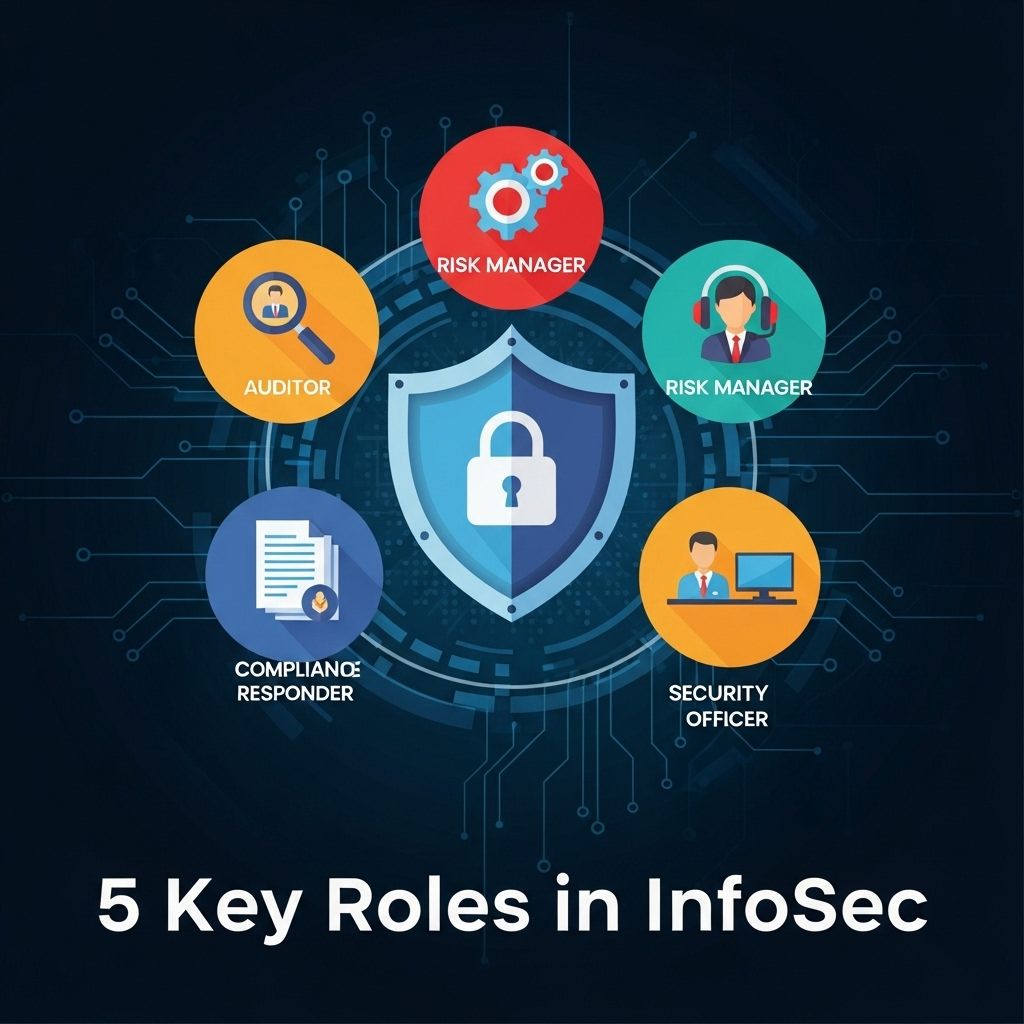

In the fast-evolving landscape of information security, organizations are increasingly looking toward established frameworks to guide their efforts in securing sensitive data and ensuring compliance. One such framework is ISO 27001, which outlines the requirements for an information security management system (ISMS). Understanding the key roles and responsibilities associated with this standard is critical for organizations aiming to bolster their security posture. This article explores five essential information security roles that are pivotal in implementing and maintaining ISO 27001 standards.
1. Information Security Manager
The Information Security Manager is often considered the cornerstone of an organization’s information security program. This role is responsible for overseeing the development, implementation, and management of the ISMS in alignment with ISO 27001.
Key Responsibilities:
- Developing and maintaining the ISMS policy and procedures.
- Conducting regular risk assessments to identify vulnerabilities.
- Ensuring compliance with ISO 27001 and other relevant regulations.
- Training and raising awareness among staff regarding information security.
- Acting as the primary point of contact for security-related issues.
Skills Required:
- In-depth knowledge of ISO 27001 standards.
- Strong risk management skills.
- Leadership and communication skills.
- Technical expertise in information security technologies.
- Ability to conduct security audits and assessments.
2. IT Security Analyst
The role of the IT Security Analyst is crucial for identifying and mitigating security threats. Analysts work on the front lines, using various tools and techniques to detect vulnerabilities and ensure that security measures are in place.
Key Responsibilities:
- Monitoring network traffic for unusual activities.
- Conducting vulnerability assessments and penetration testing.
- Responding to security incidents and breaches.
- Documenting security incidents and measures taken.
- Collaborating with other IT staff to implement security controls.
Skills Required:
- Proficiency in security monitoring tools.
- Understanding of firewalls, VPNs, and IDPS.
- Knowledge of scripting and automation tools.
- Critical thinking and problem-solving abilities.
- Certifications such as CISSP or CEH are often preferred.
3. Compliance Officer
The Compliance Officer plays a vital role in ensuring that the organization adheres to legal and regulatory requirements related to information security. This includes ISO 27001 as well as other industry-specific standards.
Key Responsibilities:
- Staying updated with changes in regulations and compliance standards.
- Conducting compliance audits and assessments.
- Developing compliance policies and procedures.
- Facilitating training on compliance issues for employees.
- Reporting on compliance status to upper management.
Skills Required:
- Strong understanding of legal and regulatory requirements.
- Detail-oriented with excellent organizational skills.
- Ability to communicate compliance requirements clearly.
- Experience in auditing and risk assessments.
- Certifications such as CISA or CISM are advantageous.
4. Risk Management Specialist
The Risk Management Specialist focuses on identifying, assessing, and mitigating risks that could impact the organization’s information security framework. This role is crucial for aligning risk management practices with ISO 27001 standards.
Key Responsibilities:
- Developing a risk management framework and methodology.
- Conducting comprehensive risk assessments.
- Ensuring risk treatment plans are implemented effectively.
- Regularly reviewing and updating risk assessments.
- Communicating risk findings to stakeholders.
Skills Required:
- Expertise in risk management frameworks.
- Strong analytical and problem-solving skills.
- Ability to work collaboratively across departments.
- Familiarity with quantitative and qualitative risk assessment methods.
- Certifications such as CRISC or PMI-RMP are beneficial.
5. Incident Response Coordinator
The Incident Response Coordinator is responsible for preparing for and responding to security incidents swiftly and effectively. This role is critical in minimizing damage and ensuring that incidents are managed in accordance with ISO 27001 protocols.
Key Responsibilities:
- Developing and maintaining an incident response plan.
- Leading the incident response team during security breaches.
- Conducting post-incident analysis to improve future responses.
- Coordinating with external law enforcement and regulators as needed.
- Training staff on incident response procedures.
Skills Required:
- Strong leadership and crisis management skills.
- In-depth knowledge of incident response practices.
- Ability to work under pressure during incidents.
- Excellent communication and documentation skills.
- Familiarity with incident response tools and software.
Conclusion
In conclusion, the roles outlined above are integral to the successful implementation and maintenance of ISO 27001 standards within an organization. Each role, from the Information Security Manager to the Incident Response Coordinator, contributes to a cohesive security strategy that protects sensitive information and mitigates risks. By clearly defining these roles and responsibilities, organizations can foster a culture of security awareness and compliance, ultimately leading to a stronger information security posture.
As the threat landscape continues to evolve, the importance of these roles will only increase, making it essential for organizations to invest in training, resources, and technology to support their information security teams.
FAQ
What are the key roles in an ISO 27001 information security management system?
The key roles include Information Security Manager, Information Security Officer, Risk Manager, Compliance Officer, and IT Security Specialist.
What responsibilities does an Information Security Manager have under ISO 27001?
The Information Security Manager is responsible for developing and implementing the information security policy, ensuring compliance with ISO 27001 standards, and managing the overall information security program.
What is the role of an Information Security Officer in ISO 27001?
The Information Security Officer oversees day-to-day security operations, monitors security incidents, and ensures that security measures are implemented effectively across the organization.
How does a Risk Manager contribute to ISO 27001 compliance?
A Risk Manager identifies, assesses, and mitigates risks to information assets, ensuring that the organization’s risk management processes align with ISO 27001 requirements.
What is the significance of a Compliance Officer in the context of ISO 27001?
The Compliance Officer ensures that the organization adheres to laws, regulations, and standards related to information security, including ISO 27001, and helps in conducting audits and assessments.
What responsibilities does an IT Security Specialist have under ISO 27001?
An IT Security Specialist implements technical controls, monitors security systems, and responds to security incidents, ensuring the integrity and confidentiality of information systems in line with ISO 27001.