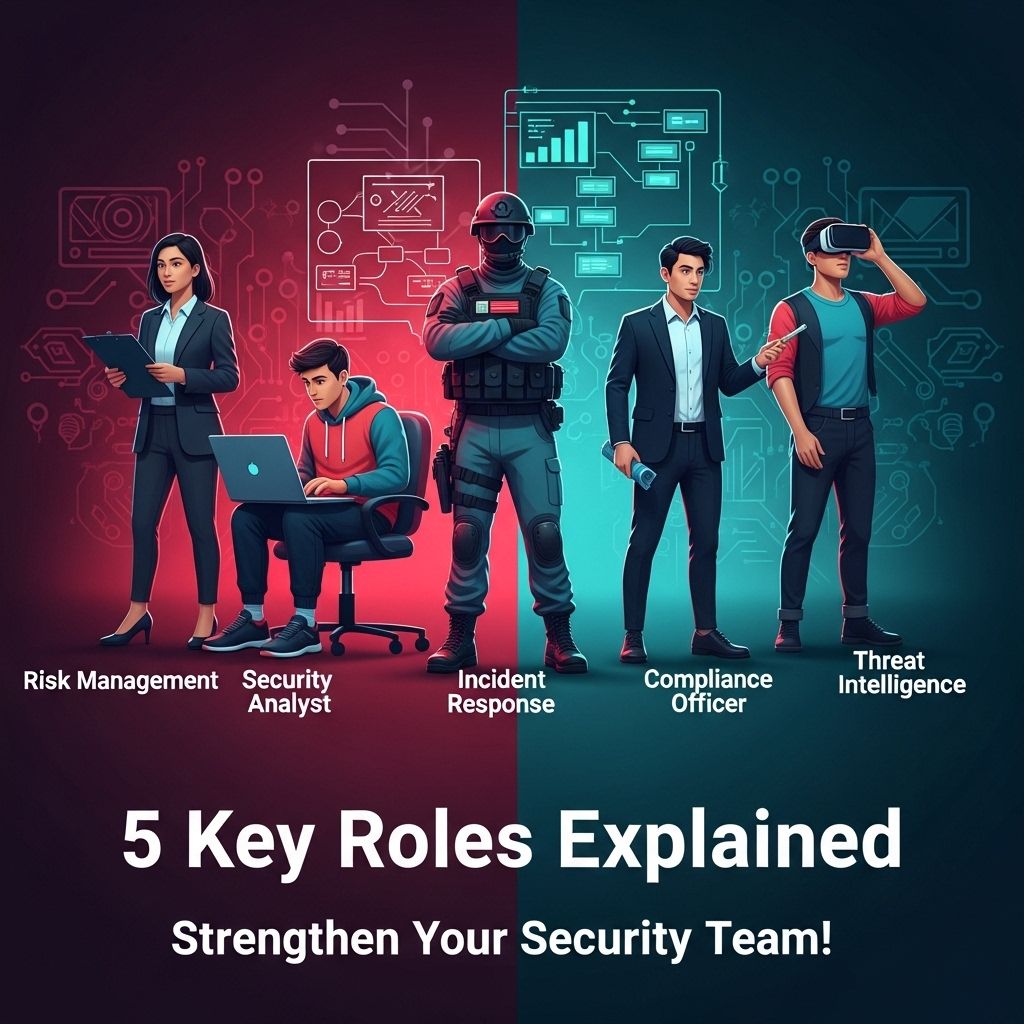

In today’s digital landscape, where cyber threats loom large and data breaches can cost organizations millions, having a robust information security strategy is more crucial than ever. Central to this strategy are the professionals who design, implement, and monitor security measures. This article delves into five key information security roles, detailing their responsibilities and the skills required to thrive in each position.
1. Chief Information Security Officer (CISO)
The CISO plays a vital role in shaping an organization’s information security framework. As the executive responsible for the company’s overall security posture, the CISO oversees everything from risk management to compliance with regulations.
Responsibilities:
- Developing and implementing an information security strategy that aligns with business objectives.
- Leading a team of security professionals.
- Assessing and managing risk across the organization.
- Ensuring compliance with industry regulations and standards.
- Communicating security risks and strategies to the executive team and board of directors.
Skills Required:
- Strong leadership and management abilities.
- In-depth knowledge of regulatory frameworks (e.g., GDPR, HIPAA).
- Expertise in risk assessment and mitigation strategies.
- Excellent communication and interpersonal skills.
- Experience with security technologies and incident response.
2. Security Analyst
Security analysts are critical in protecting an organization’s infrastructure from cyber threats. They actively monitor, detect, and respond to security incidents, ensuring that sensitive data remains secure.
Responsibilities:
- Monitoring security alerts and responding to incidents in real-time.
- Conducting vulnerability assessments and penetration testing.
- Analyzing security breaches to identify the root cause and prevent future incidents.
- Implementing and maintaining security tools and technologies.
- Creating and updating security documentation and reports.
Skills Required:
- Familiarity with security frameworks (e.g., NIST, ISO 27001).
- Proficiency in using security tools (e.g., firewalls, IDS/IPS).
- Strong analytical and problem-solving skills.
- Ability to work under pressure and respond quickly to incidents.
- Good understanding of networking and operating systems.
3. Security Architect
Security architects are responsible for designing secure systems and network architectures. They create blueprints that ensure the confidentiality, integrity, and availability of data.
Responsibilities:
- Designing and implementing secure network topologies.
- Evaluating and selecting security technologies and solutions.
- Developing security policies and guidelines for the organization.
- Collaborating with other IT teams to integrate security into all aspects of IT operations.
- Conducting regular security assessments and audits.
Skills Required:
- Strong knowledge of system architecture and design principles.
- Expertise in security frameworks and practices.
- Experience with cloud security and compliance requirements.
- Proficiency in network protocols and security controls.
- Ability to think critically and strategically about security design.
4. Incident Response Specialist
Incident response specialists are the frontline defenders in the event of a security breach. They are tasked with identifying, managing, and mitigating security threats as they arise.
Responsibilities:
- Developing and executing the incident response plan.
- Coordinating with various teams during a security incident.
- Conducting forensic analysis to determine the extent of the breach.
- Collecting and preserving evidence for potential legal actions.
- Providing post-incident analysis and reporting to improve future response efforts.
Skills Required:
- Strong understanding of incident response methodologies.
- Experience with digital forensics tools and techniques.
- Excellent communication skills to coordinate with various stakeholders.
- Ability to work quickly and decisively in high-pressure situations.
- Familiarity with legal and regulatory requirements related to data breaches.
5. Compliance Officer
Compliance officers ensure that organizations adhere to legal standards and internal policies regarding information security. They play a pivotal role in minimizing risk and avoiding potentially costly fines.
Responsibilities:
- Monitoring compliance with industry regulations and standards.
- Conducting regular audits and assessments.
- Providing training and guidance to staff on compliance-related issues.
- Developing and implementing compliance-related policies and procedures.
- Reporting non-compliance issues to executive management.
Skills Required:
- Thorough understanding of applicable laws and regulations (e.g., PCI-DSS, GDPR).
- Strong analytical skills to assess compliance risks.
- Exceptional communication and interpersonal skills.
- Experience with audit processes and practices.
- Detail-oriented with strong organizational abilities.
Conclusion
As technology continues to evolve, the landscape of information security roles becomes increasingly complex. Each of the roles discussed plays a significant part in safeguarding an organization’s assets and ensuring its operational resilience. By understanding these roles, organizations can better structure their security teams and foster a culture of security awareness that permeates throughout the entire organization.
FAQ
What are the key roles in information security?
The key roles in information security include Chief Information Security Officer (CISO), Information Security Analyst, Security Architect, Security Engineer, and Incident Response Manager.
What does a Chief Information Security Officer (CISO) do?
A CISO is responsible for overseeing the organization’s information security strategy, managing security risks, and ensuring compliance with regulations.
What is the role of an Information Security Analyst?
An Information Security Analyst monitors network traffic for suspicious activity, conducts vulnerability assessments, and implements security measures to protect sensitive data.
What does a Security Architect do?
A Security Architect designs and builds secure IT infrastructures and systems, ensuring they are resilient against potential cyber threats.
What is the responsibility of a Security Engineer?
A Security Engineer implements and manages security solutions, conducts penetration testing, and collaborates with other IT teams to strengthen security.
What role does an Incident Response Manager play?
An Incident Response Manager leads the response to security incidents, coordinating investigations, and developing strategies to mitigate future risks.