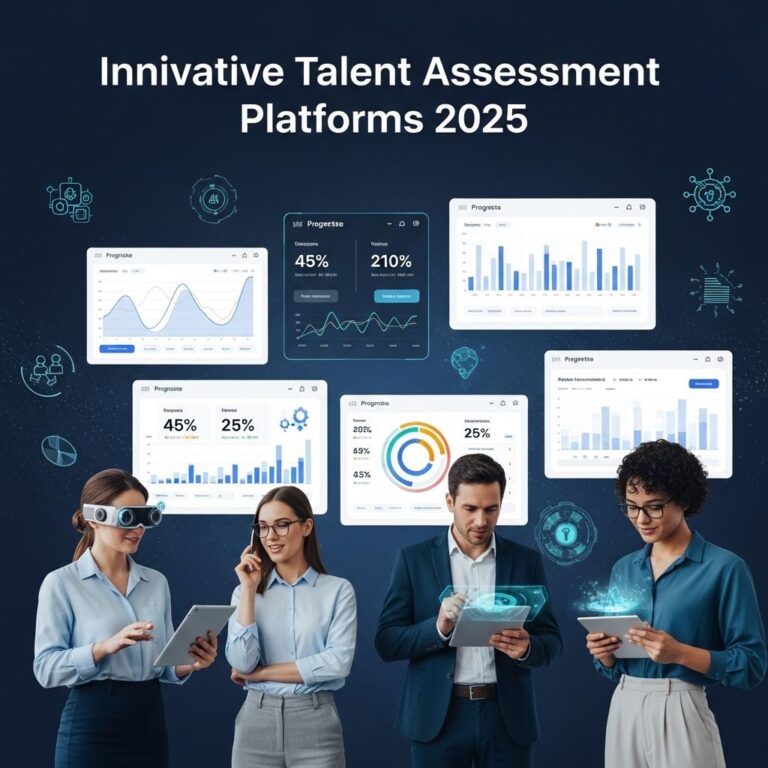
As we step into 2024, the landscape of the global workforce is continually evolving, shaped by rapid technological advancements, shifting economic conditions, and changing employee expectations. Organizations looking to thrive must understand these trends to adapt their strategies effectively. This article delves into various tools and methodologies that can help businesses decipher emerging global workforce trends and adapt their operations accordingly.
Utilizing Data Analytics for Workforce Insights
Data analytics stands at the forefront of understanding workforce dynamics. With a plethora of data available, organizations can leverage analytics to derive meaningful insights. Here are some essential tools:
- Tableau: Offers powerful visualization capabilities, allowing businesses to interpret complex data effortlessly.
- Google Analytics: While primarily for web analytics, it can provide insights into user behavior that can correlate with workforce trends.
- Power BI: Microsoft’s tool integrates with various data sources, helping organizations create comprehensive dashboards.
Key Benefits of Data Analytics
Using data analytics can lead to:
- Enhanced decision-making capabilities.
- Identification of skills gaps across teams.
- Improved employee engagement through predictive insights.
The Role of Artificial Intelligence in Workforce Planning
AI is revolutionizing how businesses approach workforce planning. By automating repetitive tasks and providing predictive analytics, AI can help organizations anticipate changes in the workforce landscape.
Popular AI Tools in Workforce Management
| Tool | Functionality |
|---|---|
| Workday | Comprehensive HR management with predictive analytics. |
| IBM Watson | Interprets unstructured data to provide workforce insights. |
| ADP Workforce Now | Offers payroll and HR solutions with AI-driven insights. |
Advantages of AI in Workforce Analysis
AI can bring the following advantages:
- Streamlined recruitment processes through automated screening.
- Predictive modeling for anticipating turnover rates.
- Personalized employee training programs based on skills assessment.
Understanding Demographic Shifts
Workforce demographics are changing, with increasing diversity across age, gender, and cultural backgrounds. Understanding these shifts is crucial for organizations aiming to create an inclusive work environment.
Tools for Analyzing Demographic Trends
Several platforms can assist in analyzing demographic trends:
- Pew Research Center: Provides in-depth research on demographic changes.
- Statista: Offers statistics and reports on workforce demographics.
- LinkedIn Talent Insights: Helps understand the talent landscape based on demographic data.
Implications of Demographic Changes
Organizations need to consider:
- Adapting recruitment strategies to attract a diverse talent pool.
- Implementing training that addresses the needs of different demographic groups.
- Creating policies that support work-life balance, which is particularly important for younger generations.
Remote Work Trends and Technologies
The COVID-19 pandemic accelerated the shift towards remote work. As we look ahead, understanding the tools that support remote work is essential for businesses aiming to maintain productivity and employee satisfaction.
Essential Remote Work Tools
Here are some notable tools enhancing remote work:
- Slack: Facilitates team communication and collaboration.
- Trello: A project management tool that organizes tasks visually.
- Zoom: A leading platform for video conferencing.
Best Practices for Remote Work Management
To effectively manage a remote workforce, consider:
- Implementing clear communication protocols.
- Encouraging regular check-ins and feedback.
- Providing access to necessary resources and tools.
The Importance of Employee Well-being
As workforce trends evolve, so do employees’ expectations surrounding well-being. Companies are increasingly adopting comprehensive well-being programs to attract and retain talent.
Assessment Tools for Employee Well-being
Tools that can help assess and improve employee well-being include:
- Officevibe: A platform for gathering employee feedback on engagement and satisfaction.
- Qualtrics: Offers survey tools to measure employee sentiments.
- Headspace for Work: Provides mindfulness and meditation resources for employees.
Benefits of Prioritizing Employee Well-being
Investing in employee well-being can lead to:
- Increased productivity and morale.
- Reduction in turnover rates.
- Enhancement of the employer brand.
Conclusion
Understanding global workforce trends in 2024 requires a multifaceted approach, leveraging data analytics, AI, demographic insights, remote work technologies, and employee well-being initiatives. By utilizing the right tools and strategies, organizations can not only navigate the complexities of the modern workforce but also position themselves for future success. The organizations that remain agile and responsive to these trends will undoubtedly thrive in this ever-evolving landscape.
FAQ
What are the best tools for analyzing global workforce trends in 2024?
Some of the best tools include LinkedIn Workforce Insights, Glassdoor Analytics, and the World Economic Forum’s Future of Jobs Report.
How can I track remote work trends globally in 2024?
You can track remote work trends using tools like Buffer’s State of Remote Work report, GitLab’s Global Remote Work Report, and platforms like Upwork.
What data sources are reliable for global labor market research?
Reliable data sources include the International Labour Organization (ILO), the Bureau of Labor Statistics (BLS), and various industry-specific reports from consulting firms.
How can I use social media to gauge workforce trends?
You can analyze social media conversations and hashtags related to employment trends using tools like Hootsuite, Sprout Social, or BuzzSumo.
What role does AI play in understanding workforce trends?
AI can analyze vast amounts of data to identify patterns and predict future workforce trends, helping organizations to make informed decisions.
Are there any mobile apps for workforce trend analysis?
Yes, apps like LinkedIn, Glassdoor, and HR analytics platforms often provide mobile functionalities to track and analyze workforce trends on the go.