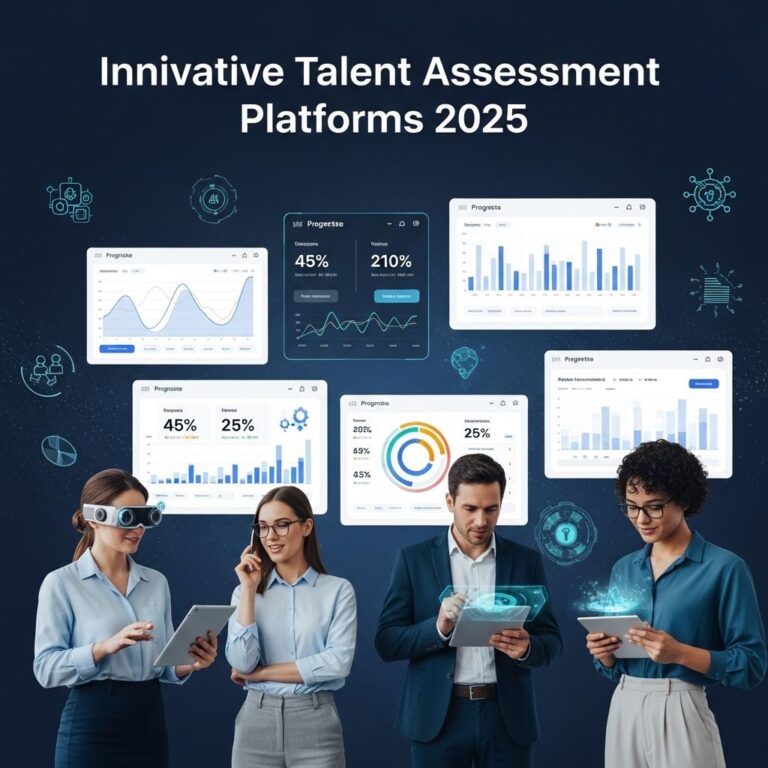
In today’s increasingly interconnected world, organizations are no longer confined by geographical boundaries when it comes to hiring talent. The rise of remote work and global collaboration has opened up vast opportunities for businesses to tap into a diverse pool of candidates from around the globe. However, hiring for global teams comes with its own unique set of challenges and considerations. In this article, we will explore essential ideas and strategies that can enhance the hiring process for global teams, ensuring success in building a cohesive and skilled workforce.
Understanding the Global Hiring Landscape
The first step in successfully hiring for global teams is to understand the international hiring landscape. This involves recognizing various factors that can impact the recruiting process:
- Cultural Differences: Different countries have different workplace cultures which can affect communication styles, work ethics, and expectations.
- Legal Compliance: Each country has its own labor laws, tax regulations, and employment rights that must be adhered to.
- Time Zones: Coordinating interviews and collaborations can be complicated due to varying time zones.
- Language Barriers: Effective communication is essential, and language differences can lead to misunderstandings.
Creating a Global Recruitment Strategy
Defining Your Hiring Goals
Before beginning the recruitment process, it’s crucial to define clear hiring goals. Consider the following steps:
- Identify Skills and Roles: Determine the specific roles you need to fill and the skills required for each position.
- Develop Ideal Candidate Profiles: Create profiles that outline the key characteristics and qualifications that the ideal candidates should possess.
- Set Diversity and Inclusion Targets: Aim for a diverse workforce that reflects a variety of perspectives and enhances creativity and problem-solving.
Leveraging Technology in Recruitment
Utilizing technology can significantly streamline the hiring process for global teams:
- Applicant Tracking Systems (ATS): Use ATS to manage applications efficiently and keep track of candidates throughout the hiring process.
- Video Interviewing Tools: Platforms such as Zoom, Microsoft Teams, or specialized tools like HireVue can facilitate remote interviews across time zones.
- Global Job Boards: Post job openings on international job boards to reach a wider audience, such as LinkedIn, Indeed, and Glassdoor.
Conducting Effective Interviews
Structuring the Interview Process
An effective interview process can help assess candidates thoroughly. Consider these structured approaches:
| Interview Type | Description |
|---|---|
| Screening Interviews | Initial interviews to gauge basic qualifications and cultural fit. |
| Technical Assessments | Tests to evaluate specific skills or knowledge relevant to the role. |
| Behavioral Interviews | Questions designed to understand past experiences and problem-solving abilities. |
Incorporating Assessments and Tasks
Integrating practical assessments into the interview process can provide deeper insights into a candidate’s capabilities:
- Case Studies: Present hypothetical scenarios related to the job and ask candidates how they would handle them.
- Portfolio Reviews: For creative roles, reviewing a candidate’s previous work can help in assessing their capabilities.
- Mock Projects: Assign a small task or project to evaluate the candidate’s approach and skill set.
Onboarding and Integration
Once the hiring process is complete, ensuring a smooth onboarding experience is critical for global teams:
Developing a Comprehensive Onboarding Plan
A well-structured onboarding plan helps new hires acclimate to your company and their roles:
- Welcome Package: Provide a welcome package that includes company resources, information, and team introductions.
- Orientation Sessions: Conduct orientation sessions to familiarize new employees with company culture, policies, and procedures.
- Mentorship Programs: Assign mentors to new hires to guide them through their initial weeks.
Encouraging Team Engagement
Building relationships among team members is essential for collaboration:
- Regular Check-ins: Schedule regular one-on-one meetings to address concerns and monitor progress.
- Team-building Activities: Organize virtual team-building exercises to strengthen bonds and promote collaboration.
- Feedback Loops: Create channels for feedback to help new hires feel supported and valued.
Conclusion
Successfully hiring for global teams is a multifaceted process that requires careful planning and consideration. By understanding the global hiring landscape, creating a strategic recruitment plan, utilizing technology, conducting effective interviews, and fostering a supportive onboarding experience, organizations can build strong, diverse teams that thrive in a global environment. In a world where talent knows no borders, embracing these essential ideas will not only enhance the hiring process but also contribute significantly to the overall success of your global team.
FAQ
What are the key steps in the global hiring process?
The key steps in the global hiring process include defining job roles clearly, sourcing candidates through diverse channels, conducting thorough interviews, and ensuring compliance with local labor laws.
How can cultural differences impact the hiring process for global teams?
Cultural differences can impact communication styles, expectations, and interview practices, making it essential to understand and respect these variations during the hiring process.
What tools can facilitate the hiring process for global teams?
Tools such as applicant tracking systems, video conferencing software, and collaborative hiring platforms can streamline communication and evaluation across different regions.
How can companies ensure a diverse candidate pool in a global hiring process?
Companies can ensure a diverse candidate pool by leveraging global job boards, partnering with local organizations, and promoting inclusive job descriptions that appeal to a wide audience.
What should companies consider when onboarding global hires?
When onboarding global hires, companies should consider cultural integration, providing localized training materials, and ensuring compliance with regional employment regulations.
How can companies maintain consistent hiring standards across global teams?
Companies can maintain consistent hiring standards by developing a standardized hiring framework, training hiring managers, and utilizing structured interview processes across all locations.