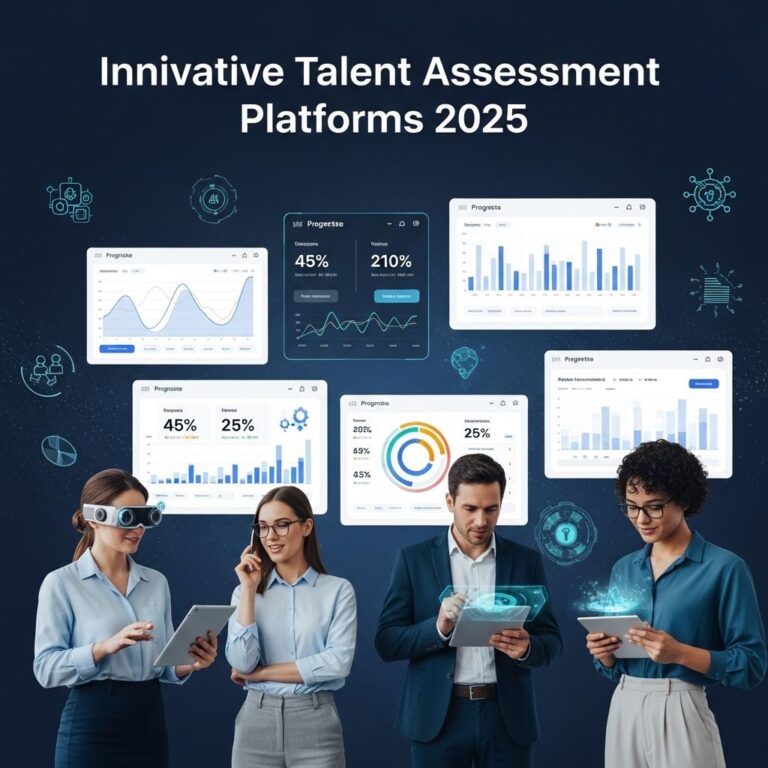
As organizations continue to evolve in a rapidly changing technological landscape, identifying and nurturing talent has become increasingly critical. Traditional hiring methods are being replaced by sophisticated talent assessment platforms that leverage artificial intelligence, machine learning, and big data analytics. By 2025, these platforms will not only enhance the hiring process but also ensure that the right candidates are matched with the right roles, creating a more efficient and effective workforce.
Understanding Talent Assessment Platforms
Talent assessment platforms are tools designed to evaluate the skills, personality traits, and potential of candidates or employees. These platforms utilize various methodologies, including psychometric tests, simulations, and situational judgment tests, to provide organizations with insights into their workforce. The growing demand for data-driven decision-making in human resources (HR) is pushing companies to adopt advanced evaluation technologies.
Key Features of Modern Talent Assessment Platforms
- AI-Powered Evaluations: The integration of artificial intelligence allows for more nuanced assessments that can adapt to individual candidates, improving accuracy in measuring capabilities.
- Real-Time Analytics: Dashboards and reporting tools enable HR teams to review assessment results instantaneously, streamlining the decision-making process.
- Customizable Assessments: Organizations can tailor assessments according to their specific industry needs, ensuring relevance and effectiveness.
- Integration Capabilities: Seamless integration with existing HR software and recruitment tools enhances workflow and data sharing.
Innovative Platforms to Watch in 2025
As we look toward the future, several talent assessment platforms are making headlines for their innovative approaches and advanced technology. Below are a few that are set to change the game:
1. HireVue
Known for its video interviewing capabilities, HireVue combines AI analysis with behavioral assessment to evaluate soft skills and cultural fit. By incorporating machine learning algorithms, it helps organizations identify candidates who may excel in specific roles based on their responses and body language.
2. Pymetrics
Pymetrics uses neuroscience-based games to assess candidates’ cognitive and emotional traits. This gamified approach reduces bias and allows for a more engaging candidate experience. Organizations can utilize the data to match candidates with roles that align with their inherent strengths.
3. Codility
For tech roles, Codility stands out as an effective platform for assessing coding skills through live coding tests and challenges. Its unique approach allows hiring managers to gauge practical skills in real-time, significantly improving the quality of hires in technical fields.
4. Plum
Plum focuses on the potential of candidates rather than just their experience. By analyzing personality traits and cognitive abilities, Plum helps companies build teams that complement each other and thrive in collaborative environments.
Benefits of Utilizing Talent Assessment Platforms
Implementing advanced talent assessment platforms can yield numerous benefits for organizations, including:
Enhanced Candidate Experience
Engaging assessment processes that utilize gamification or simulations make the application journey more interactive and enjoyable for candidates.
Improved Hiring Accuracy
Data-driven insights facilitate better hiring decisions, which are aligned with organizational goals and culture, reducing turnover rates.
Cost Efficiency
By automating various stages of the assessment process, organizations can save on time and resources, allowing HR teams to focus on strategic initiatives.
Diversity and Inclusion
Advanced algorithms help mitigate unconscious biases in the hiring process, promoting a more diverse and inclusive workplace.
Future Trends in Talent Assessment
As technology continues to advance, several trends are likely to shape the future of talent assessment:
1. Predictive Analytics
Utilizing historical data and AI, platforms will be able to predict future performance and career progression, allowing organizations to develop tailored growth plans for their employees.
2. Virtual Reality (VR) Assessments
VR is set to revolutionize talent assessments by providing immersive simulations that mimic real-world scenarios, allowing for more accurate evaluations of candidates’ abilities.
3. Continuous Feedback Mechanisms
Platforms will move towards continuous assessment approaches instead of one-time evaluations, providing ongoing insights into employee performance and development needs.
4. Skills-Based Hiring
The shift from traditional qualifications to skills-based hiring will gain momentum, with platforms focusing on practical assessments that gauge relevant skills rather than on resumes or academic credentials.
Implementation Strategies for Organizations
For organizations looking to adopt talent assessment platforms, a strategic implementation process is essential:
- Identify Objectives: Determine what you aim to achieve through talent assessments, whether it’s reducing turnover, improving quality of hires, or enhancing team dynamics.
- Research Platforms: Conduct thorough research on available platforms, considering factors such as features, pricing, and user reviews.
- Engage Stakeholders: Involve key stakeholders, including HR, team leaders, and IT, to ensure buy-in and smooth integration into existing systems.
- Pilot Testing: Run pilot tests with selected teams to gather feedback and refine assessments before a full rollout.
- Monitor and Adjust: Continuously monitor the effectiveness of the assessment process and make adjustments based on feedback and results.
Conclusion
The evolution of talent assessment platforms by 2025 is set to transform the landscape of hiring and employee development. By leveraging advanced technologies, organizations can make informed decisions that lead to better hires, increased employee satisfaction, and a stronger organizational culture. Embracing these changes will not only enhance productivity but also create a dynamic and skilled workforce ready to tackle the challenges of the future.
FAQ
What are the top talent assessment platforms expected to change the game in 2025?
In 2025, leading talent assessment platforms may include AI-driven solutions that enhance candidate matching, predictive analytics for performance forecasting, and immersive assessment experiences through virtual reality.
How will AI impact talent assessment platforms in 2025?
AI will revolutionize talent assessment platforms by providing personalized assessments, automating candidate evaluations, and offering data-driven insights to improve hiring decisions.
What features should I look for in a talent assessment platform in 2025?
Key features to consider include real-time analytics, user-friendly interfaces, integration capabilities with existing HR systems, and customizable assessments tailored to specific roles.
How do talent assessment platforms enhance the recruitment process?
They streamline recruitment by objectively evaluating candidate skills, reducing bias, and ensuring a better fit between candidates and job requirements.
What role does data privacy play in talent assessment platforms of 2025?
Data privacy will be paramount, with platforms focusing on compliance with regulations such as GDPR and ensuring secure handling of candidate information.
Can talent assessment platforms help with employee development in addition to hiring?
Yes, many platforms are evolving to include tools for ongoing employee development, allowing organizations to assess skills gaps and provide tailored training programs.