
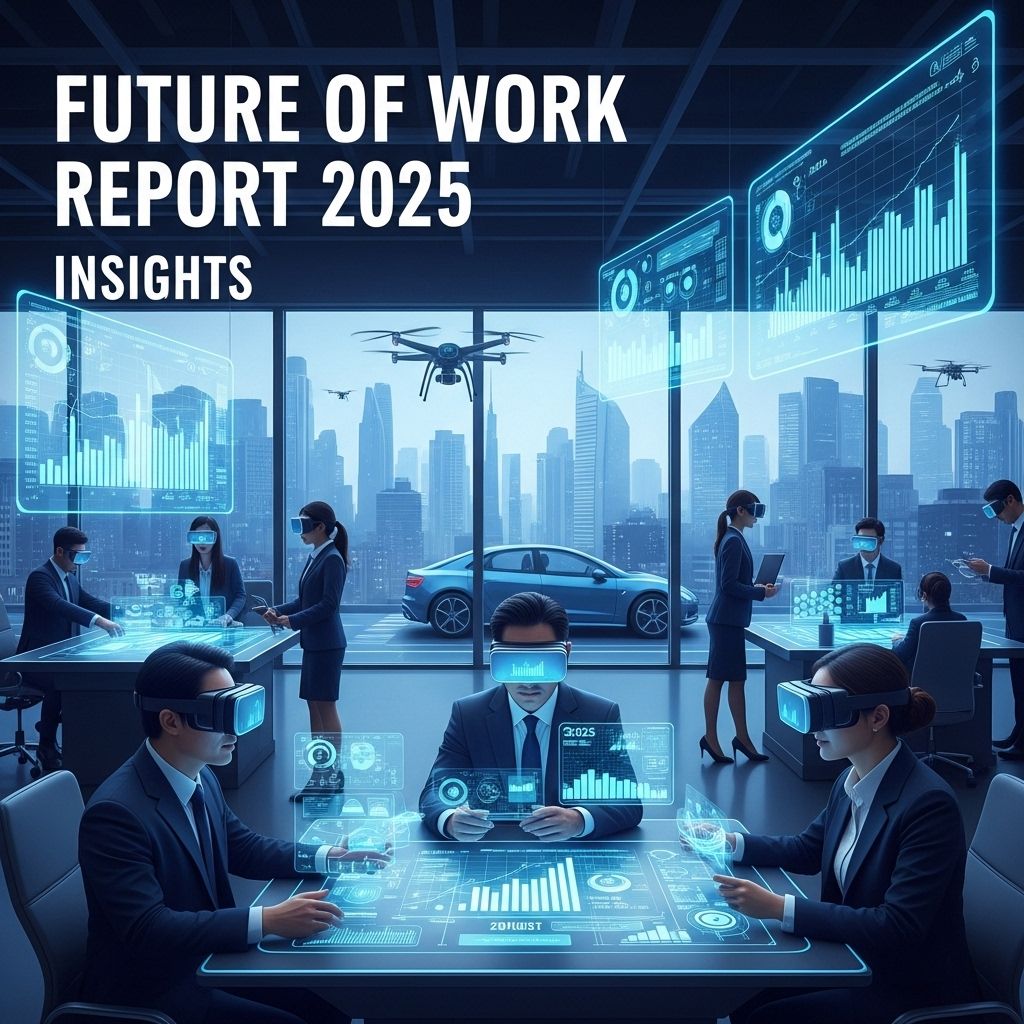

The workplace is evolving at an unprecedented pace, influenced by advancements in technology and shifting employee expectations. As we look ahead to 2025, understanding the factors that will shape the future of work is crucial for businesses aiming to stay competitive. This article delves into key insights derived from recent trends, projections, and innovations that are set to define the work landscape in the coming years.
Technological Transformation
One of the most significant drivers of change in the workplace is technology. The integration of artificial intelligence (AI), machine learning, and automation is redefining roles, processes, and the very nature of work. Here are some key aspects to consider:
1. Rise of Automation
Automation is not merely a trend; it’s a fundamental shift in how tasks are performed.
- Increased Efficiency: Routine tasks can be automated, allowing employees to focus on higher-value activities.
- Cost Reduction: Businesses can save costs on labor and improve profit margins.
- Job Displacement: While some jobs may be replaced, new roles will emerge that require more complex skills.
2. AI Integration
AI will play an integral role across various sectors, influencing decision-making and enhancing productivity.
| Sector | Application of AI |
|---|---|
| Healthcare | Diagnostics, personalized medicine |
| Finance | Fraud detection, algorithmic trading |
| Manufacturing | Predictive maintenance, supply chain optimization |
Shifts in Employee Expectations
As workplaces adapt to these technological changes, the expectations of employees are also evolving.
1. Work-Life Balance
More than ever, employees are prioritizing a healthy work-life balance. Key statistics include:
- 75% of employees express the need for flexibility in their work schedules.
- 67% of workers believe that a balance between work and personal life is essential for job satisfaction.
2. Demand for Remote Work
The pandemic accelerated the acceptance of remote work, and this trend is expected to continue.
- Many employees prefer hybrid models, balancing remote and in-office work.
- Companies are investing in remote work tools and technologies to support distributed teams.
The New Role of Leadership
As the workplace transforms, the role of leadership must evolve to meet new challenges.
1. Emphasis on Empathy
Effective leaders are expected to be more empathetic, understanding the diverse needs of their teams.
2. Continuous Learning Culture
Organizations that foster a culture of continuous learning will thrive. This includes:
- Investing in training and development programs.
- Encouraging employees to pursue lifelong learning opportunities.
Emerging Work Models
The traditional 9-to-5 model is increasingly seen as outdated. Here are several emerging work models:
1. Gig Economy
The gig economy is booming, with more professionals opting for freelance and contract roles.
2. Remote-First Companies
Some organizations are adopting a remote-first approach, prioritizing distributed teams and flexible work arrangements.
3. Collaborative Workspaces
Physical office spaces are transforming into collaborative environments that promote teamwork and innovation.
Impact on Recruitment and Retention
To attract and retain top talent, companies must adapt their recruitment strategies.
1. Enhanced Candidate Experience
A seamless and engaging recruitment process is essential.
2. Employer Branding
Companies must cultivate a strong employer brand that resonates with potential candidates.
The Role of Diversity and Inclusion
As organizations evolve, fostering diversity and inclusion remains a top priority.
1. Diverse Teams Boost Innovation
Research shows that diverse teams are more innovative and perform better.
2. Inclusive Policies
Companies must implement inclusive policies that support employees from all backgrounds.
Preparing for the Future
Organizations must adopt proactive strategies to prepare for the future of work. Key steps include:
- Investing in technology that supports remote collaboration.
- Encouraging a culture of innovation.
- Regularly assessing workforce skills and filling gaps through training.
Conclusion
The future of work is not just about technological advancements; it’s about creating a workplace that meets the evolving needs of employees and businesses alike. By embracing change and fostering an environment of collaboration, flexibility, and inclusivity, organizations can thrive in 2025 and beyond.
FAQ
What are the key trends identified in the Future of Work Report 2025?
The Future of Work Report 2025 outlines several key trends, including the rise of remote work, increased automation, the importance of digital skills, and the emphasis on employee well-being.
How will remote work evolve by 2025 according to the report?
The report predicts that remote work will become the norm, with companies adopting hybrid models that blend in-office and remote work, fostering flexibility and improved work-life balance.
What impact will automation have on jobs by 2025?
The report indicates that automation will transform jobs, leading to the creation of new roles while rendering some existing jobs obsolete, necessitating reskilling and upskilling for the workforce.
Why are digital skills crucial for the future workforce?
Digital skills are deemed essential as the workplace increasingly relies on technology and digital tools, making proficiency in these areas critical for career advancement and job security.
What strategies can companies implement to enhance employee well-being by 2025?
Companies can enhance employee well-being by promoting mental health initiatives, flexible working conditions, and fostering a supportive company culture that values work-life balance.
How does the Future of Work Report 2025 address diversity and inclusion?
The report emphasizes that diversity and inclusion will be central to organizational strategies, advocating for equitable hiring practices and creating inclusive work environments to drive innovation.


