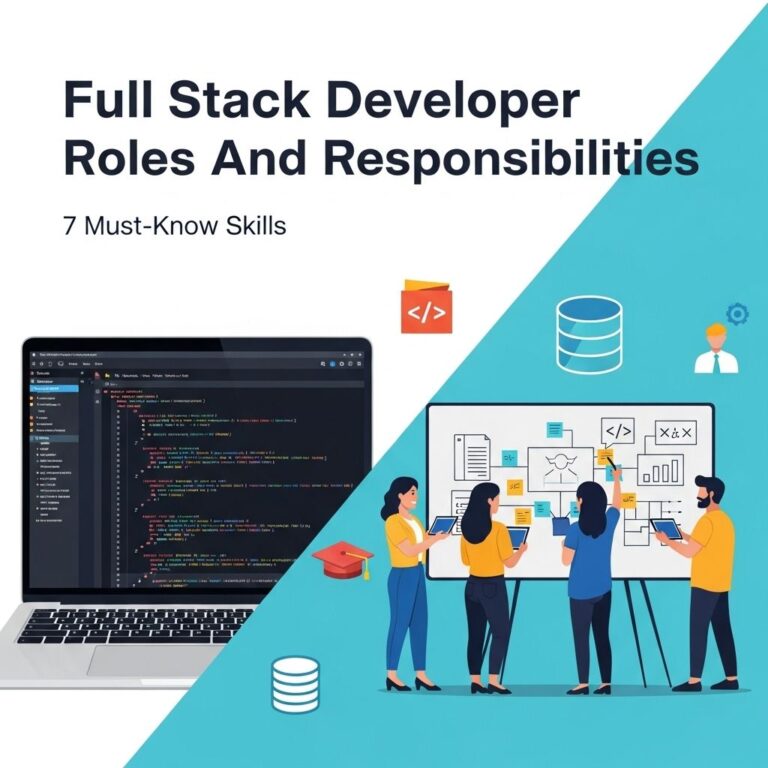
In the rapidly evolving landscape of technology, full-stack developers have emerged as pivotal players in software development. Their versatility allows them to navigate both the front-end and back-end of applications, making them highly sought after by tech companies worldwide. This article delves into the essential skills, roles, and responsibilities of a full-stack developer, as well as strategies for landing a position in this competitive field.
Understanding Full-Stack Development
Full-stack development refers to the practice of working on both the client side (front-end) and the server side (back-end) of applications. A full-stack developer possesses a comprehensive skill set that includes proficiency in various programming languages, frameworks, and tools.
Core Components of Full-Stack Development
- Front-End Development: This involves everything that users interact with directly. Key technologies include:
- HTML
- CSS
- JavaScript
- Frameworks such as React, Angular, or Vue.js
- Back-End Development: This refers to server-side operations that are essential for processing data and business logic. Key technologies include:
- Node.js
- Python
- Ruby
- Java
- Databases like MySQL, MongoDB, or PostgreSQL
- Development Tools: Proficiency in tools that streamline development is crucial. These include:
- Version control systems like Git
- Containerization tools like Docker
- Cloud platforms like AWS or Azure
Roles and Responsibilities of a Full-Stack Developer
Full-stack developers are responsible for a wide range of tasks that span the entire development process. Here are key responsibilities:
1. Designing User Interfaces
Full-stack developers must create intuitive and visually appealing interfaces. This involves:
- Understanding user experience (UX) principles
- Utilizing design tools like Figma or Adobe XD
- Implementing responsive design to ensure compatibility across devices
2. Developing and Managing Databases
Working with databases is a core responsibility, which includes:
- Designing database schemas
- Writing and optimizing SQL queries
- Ensuring data integrity and security
3. Creating RESTful APIs
APIs are fundamental for communication between the front-end and back-end. Developers need to:
- Design and implement RESTful services
- Manage API security and authentication
- Document API endpoints for future reference
4. Testing and Debugging
Quality assurance is essential in development. Responsibilities include:
- Writing unit and integration tests
- Debugging both front-end and back-end code
- Using testing frameworks like Jest or Mocha
5. Collaborating with Cross-Functional Teams
Full-stack developers often work alongside designers, project managers, and other developers, necessitating strong communication skills. They must:
- Engage in code reviews
- Participate in agile methodologies
- Contribute to team meetings and discussions
How to Prepare for a Full-Stack Developer Role
To successfully land a full-stack developer position, you need a strategic approach that encompasses education, skill development, and networking. Here are some steps you can follow:
1. Build a Strong Foundation
A solid understanding of web development fundamentals is crucial. Consider pursuing:
- A Bachelor’s degree in Computer Science or a related field
- Online courses on platforms like Coursera or Udacity
- Bootcamps that focus on full-stack development
2. Master Essential Technologies
Gain proficiency in key programming languages and frameworks. Focus on:
- JavaScript (and frameworks like React or Vue.js)
- Node.js for back-end development
- Database technology (SQL and NoSQL)
3. Build a Portfolio
Creating a portfolio is essential for showcasing your skills. Include:
- Personal projects that demonstrate your abilities
- Contributions to open-source projects
- Case studies that explain your development process
4. Gain Practical Experience
Real-world experience is invaluable. Pursue:
- Internships or co-op positions
- Freelance projects to build client relationships
- Contributions to GitHub repositories
5. Network with Professionals
Building a professional network can open doors. Consider:
- Attending tech meetups and conferences
- Joining online forums or communities like Stack Overflow
- Utilizing LinkedIn to connect with industry professionals
Crafting an Effective Resume
Your resume is often the first impression potential employers will have of you. Consider these tips:
Key Sections to Include
- Contact Information: Keep it up-to-date.
- Summary or Objective: A brief statement highlighting your career goals and skills.
- Technical Skills: Clearly list your programming languages and technologies.
- Work Experience: Highlight relevant roles and projects.
- Education: Include degrees, certifications, and relevant coursework.
Tips for Writing
- Use action verbs to describe your accomplishments.
- Tailor your resume to the job description.
- Keep it concise, ideally one page.
Nailing the Interview
Interviews can be daunting, but with the right preparation, you can excel. Here’s how:
1. Prepare for Technical Questions
Expect questions that assess your coding skills and problem-solving abilities. Practice:
- Data structures and algorithms
- Coding challenges on platforms like LeetCode or HackerRank
- Mock interviews with peers
2. Demonstrate Problem-Solving Skills
Employers look for your approach to challenges. When faced with a problem:
- Think aloud to showcase your thought process
- Break the problem down into manageable parts
- Discuss multiple potential solutions
3. Showcase Your Projects
Use your portfolio to illustrate your capabilities. Talk through:
- The challenges faced during development
- The technologies used
- Outcomes or impacts of your projects
Conclusion
Landing a full-stack developer role requires a blend of technical expertise, practical experience, and effective communication skills. By following the outlined strategies and continuously honing your craft, you can position yourself as a competitive candidate in the tech job market. Embrace challenges, stay updated on industry trends, and never stop learning to thrive in this dynamic field.
FAQ
What are the key responsibilities of a full stack developer?
A full stack developer is responsible for both front-end and back-end development, including designing user interfaces, creating server-side applications, managing databases, and ensuring application performance and security.
What skills do I need to become a successful full stack developer?
To be a successful full stack developer, you should have proficiency in HTML, CSS, JavaScript, and frameworks like React or Angular for front-end development, as well as knowledge of back-end technologies like Node.js, Express, and databases such as MongoDB or SQL.
How can I gain experience as a full stack developer?
You can gain experience by building personal projects, contributing to open-source projects, completing coding bootcamps, or internships, and by collaborating with other developers on team projects.
What should I include in my resume for a full stack developer position?
Your resume should highlight your technical skills, relevant experience, personal projects, and any certifications or degrees related to software development, as well as your ability to work in both front-end and back-end technologies.
How do I prepare for a full stack developer interview?
Prepare for a full stack developer interview by reviewing common coding challenges, practicing algorithms and data structures, understanding system design principles, and being ready to discuss your past projects and the technologies you used.
What is the job outlook for full stack developers?
The job outlook for full stack developers is very positive, with high demand across various industries due to the increasing need for web applications and digital solutions.