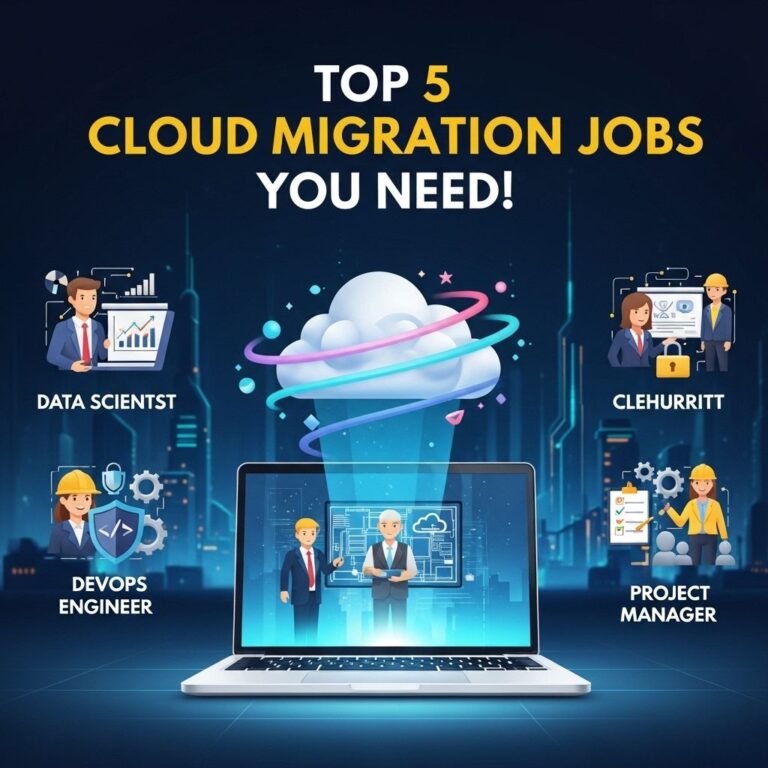
As cloud computing continues to dominate the technology landscape, professionals in this field are increasingly sought after. The flexibility, scalability, and efficiency that cloud solutions provide have transformed how businesses operate, leading to a surge in demand for skilled individuals. In this article, we will explore seven exciting career paths within the realm of cloud computing. These roles not only promise growth and innovation but also offer opportunities to work with cutting-edge technologies that shape the future.
1. Cloud Architect
Cloud architects play a pivotal role in designing and implementing cloud solutions for organizations. This position requires a deep understanding of cloud platforms, services, and architecture.
Key Responsibilities:
- Design cloud infrastructure and migration strategies.
- Evaluate cloud service providers and tools.
- Ensure compliance with security and governance policies.
- Collaborate with IT teams to integrate cloud services.
Essential Skills:
- Proficiency in cloud platforms like AWS, Azure, or Google Cloud.
- Strong knowledge of networking and security.
- Experience with DevOps practices.
- Excellent problem-solving abilities.
2. Cloud Security Specialist
As organizations move to the cloud, the need for robust security measures increases. Cloud security specialists focus on protecting data and applications hosted in cloud environments.
Key Responsibilities:
- Develop and enforce security policies for cloud solutions.
- Conduct risk assessments and vulnerability testing.
- Implement security protocols and manage identity access.
- Monitor cloud environments for security threats.
Essential Skills:
- Knowledge of cloud security frameworks and standards (e.g., ISO 27001, NIST).
- Familiarity with encryption and security tools.
- Strong analytical and communication skills.
- Certifications like CCSP or CISSP are highly beneficial.
3. Cloud DevOps Engineer
DevOps engineers bridge the gap between development and operations, facilitating faster and more efficient software delivery through automation and continuous integration. With cloud technologies, their role extends to managing cloud environments.
Key Responsibilities:
- Automate workflows and processes for cloud deployment.
- Collaborate with development teams to streamline release cycles.
- Monitor application performance and reliability.
- Implement CI/CD pipelines for cloud applications.
Essential Skills:
- Experience with automation tools (e.g., Jenkins, Terraform).
- Strong programming skills in languages like Python or Go.
- Familiarity with container technologies (e.g., Docker, Kubernetes).
- Understanding of cloud services and infrastructure management.
4. Cloud Consultant
Cloud consultants assist organizations in developing cloud strategies tailored to their specific needs. They evaluate existing systems and recommend cloud solutions that enhance efficiency and reduce costs.
Key Responsibilities:
- Assess organizational needs and design cloud strategies.
- Conduct vendor evaluations and recommend cloud services.
- Guide migration processes and implementation.
- Provide ongoing support and optimization recommendations.
Essential Skills:
- Strong business acumen and understanding of technology business cases.
- Excellent communication and interpersonal skills.
- Ability to analyze data and provide insights.
- Familiarity with various cloud platforms and their offerings.
5. Cloud Software Engineer
Cloud software engineers focus on developing applications specifically designed to run in cloud environments. They leverage cloud-native technologies to create scalable and resilient software.
Key Responsibilities:
- Design and develop cloud-native applications.
- Work with microservices architecture and APIs.
- Optimize applications for cloud performance and scalability.
- Collaborate with cross-functional teams to define software requirements.
Essential Skills:
- Proficient in programming languages such as Java, Node.js, or C#.
- Experience with cloud services and tools.
- Understanding of agile methodologies and software development life cycle.
- Strong debugging and problem-solving skills.
6. Cloud Data Engineer
With the rise of big data and analytics, cloud data engineers are crucial in managing and processing large datasets in cloud environments. They build the infrastructure that allows data to be stored and analyzed efficiently.
Key Responsibilities:
- Design and implement data pipelines and ETL processes.
- Optimize cloud storage and database solutions.
- Ensure data quality and integrity across systems.
- Collaborate with data scientists to support analytical models.
Essential Skills:
- Experience with databases (SQL and NoSQL) and data warehousing solutions.
- Proficiency in programming (e.g., Python, Scala).
- Familiarity with cloud data services (e.g., AWS Redshift, Google BigQuery).
- Understanding of data security and compliance requirements.
7. Cloud Network Engineer
Cloud network engineers manage network infrastructure within cloud environments, ensuring secure connectivity and performance. They play a vital role in establishing efficient communication between on-premises systems and the cloud.
Key Responsibilities:
- Design and implement cloud network architectures.
- Manage VPNs, firewalls, and network security.
- Monitor network performance and troubleshoot issues.
- Collaborate with other IT teams to integrate cloud solutions.
Essential Skills:
- Understanding of networking protocols and principles.
- Experience with cloud networking services (e.g., Azure Virtual Network, AWS VPC).
- Familiarity with network security measures.
- Strong analytical and problem-solving skills.
Conclusion
The rapid evolution of cloud technologies has opened up numerous career opportunities in the tech industry. Each of these roles presents unique challenges and requires a diverse skill set, making them perfect for tech-savvy individuals passionate about innovation. By pursuing a career in cloud computing, you are not only securing a position in a high-demand field but also contributing to the transformative power of technology in various industries.
FAQ
What are some popular cloud computing job titles?
Some popular cloud computing job titles include Cloud Architect, Cloud Engineer, DevOps Engineer, Cloud Consultant, and Cloud Security Specialist.
What skills are essential for a career in cloud computing?
Essential skills for a career in cloud computing include proficiency in cloud platforms like AWS, Azure, or Google Cloud, understanding of networking and security, programming skills, and knowledge of DevOps practices.
What qualifications do I need for cloud computing jobs?
While a degree in computer science or a related field is beneficial, many cloud computing jobs also value relevant certifications such as AWS Certified Solutions Architect or Microsoft Certified: Azure Solutions Architect Expert.
How can I transition into a cloud computing career from another field?
To transition into a cloud computing career, consider taking online courses, obtaining certifications, gaining hands-on experience through projects, and networking with professionals in the field.
What are the benefits of pursuing a career in cloud computing?
Benefits of pursuing a career in cloud computing include high demand for skilled professionals, attractive salary packages, opportunities for remote work, and the chance to work on innovative technologies.
What industries are hiring cloud computing professionals?
Industries hiring cloud computing professionals include technology, finance, healthcare, education, and e-commerce, as businesses increasingly rely on cloud solutions for their operations.