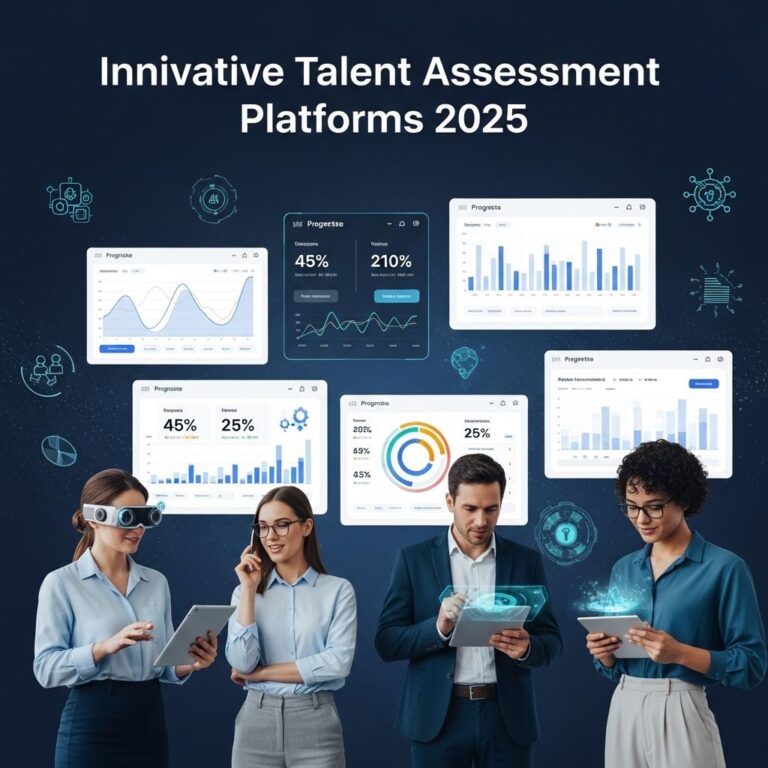
In today’s competitive landscape, efficient human resources (HR) operations are crucial for the success of any organization. With the advent of technology, HR professionals have access to a myriad of tools designed to streamline various processes, enhance productivity, and improve employee engagement. This article delves into the essential tools that every HR operations professional should consider integrating into their workflows.
Understanding the Role of Technology in HR
The integration of technology in HR operations has transformed the way companies manage their human capital. From recruitment to performance management, the right tools can make a significant difference. Here are some key areas where technology plays a vital role:
- Recruitment and Talent Acquisition: Automating the recruitment process can save time and resources.
- Employee Onboarding: Streamlined onboarding processes improve the new hire experience.
- Performance Management: Tools that facilitate regular feedback and appraisals keep employees engaged.
- Payroll and Benefits Administration: Accurate payroll processing is critical for employee satisfaction.
- Employee Engagement and Retention: Engaging tools can boost morale and reduce turnover.
Key Tools for HR Operations
Here’s a breakdown of essential tools categorized into different HR functionalities:
1. Recruitment and Applicant Tracking Systems (ATS)
Applicant Tracking Systems are vital for managing recruitment efficiently. These tools help HR departments track candidates through the hiring process.
Top ATS Tools Include:
- Greenhouse: Offers customizable workflows and detailed analytics.
- Lever: Combines ATS and CRM functionalities for better candidate relationship management.
- BambooHR: Provides great integration capabilities with other HR tools.
2. Onboarding Software
Effective onboarding software helps in welcoming new employees and ensuring they are equipped to succeed in their new roles.
Benefits of Onboarding Software:
- Automated paperwork handling.
- Structured training programs.
- Engagement tools that promote company culture.
Recommended Onboarding Tools:
- WorkBright: Ideal for remote hiring, facilitating compliance and document collection.
- ClearCompany: Comprehensive onboarding that ties into performance management.
3. Performance Management Systems
Performance management tools help HR track employee performance and set development goals.
Key Features to Look For:
- Goal setting and tracking capabilities.
- Regular feedback loops and 360-degree reviews.
- Data analytics for performance trends.
Highly Rated Systems:
| Tool | Key Features |
|---|---|
| 15Five | Engagement surveys, continuous feedback, and one-on-one meetings. |
| Culture Amp | Focus on employee experience and performance insights. |
| Trakstar | Customizable reviews, goal management, and employee development tracking. |
4. Payroll and HR Management Software
Payroll management tools ensure accurate and timely payroll processing, reducing the risk of errors and compliance issues.
Benefits of Comprehensive Payroll Software:
- Automated tax calculations and filings.
- Direct deposit capabilities.
- Employee self-service portals for easy access to pay stubs and tax forms.
Popular Payroll Solutions:
- Gusto: User-friendly interface, ideal for small to medium businesses.
- ADP: Scalable solutions that cater to businesses of all sizes.
5. Employee Engagement and Communication Tools
Boosting employee engagement is essential for retention and productivity. Communication tools facilitate collaboration and information sharing within teams.
Communication Platforms Include:
- Slack: Real-time messaging and file sharing.
- Microsoft Teams: Integrated with Office 365, offering chat, video, and file collaboration.
Employee Engagement Platforms:
- Officevibe: Regular pulse surveys and feedback tools.
- Bonusly: Peer recognition system that fosters appreciation and motivation.
Implementing HR Tools: Best Practices
Successfully implementing HR tools requires careful planning and execution. Here are some best practices to consider:
- Assess Your Needs: Identify specific challenges and goals within your HR operations.
- Involve Stakeholders: Get input from various departments to ensure the chosen tools meet organization-wide needs.
- Training and Support: Provide adequate training for HR staff to ensure smooth adoption of new tools.
- Monitor and Evaluate: Regularly assess the tool’s performance and its impact on HR processes.
Conclusion
The right tools can significantly enhance the efficiency and effectiveness of HR operations. By leveraging technology in recruitment, onboarding, performance management, payroll, and employee engagement, HR professionals can not only streamline their processes but also foster a positive work environment that promotes growth and retention. It’s essential to continuously evaluate and adapt your toolset to meet the evolving needs of your organization and workforce.
FAQ
What are the essential tools for HR operations?
Essential tools for HR operations include Human Resource Management Systems (HRMS), applicant tracking systems (ATS), payroll software, performance management tools, and employee engagement platforms.
How can HR software improve efficiency?
HR software can improve efficiency by automating repetitive tasks, streamlining recruitment processes, and providing data analytics for better decision-making.
What features should I look for in HR management software?
Key features to look for include employee self-service portals, compliance tracking, reporting capabilities, integration with other software, and customizable workflows.
Why is employee engagement software important?
Employee engagement software is important because it helps to measure and improve employee satisfaction, which can lead to increased productivity and reduced turnover.
How can I choose the right HR tools for my organization?
To choose the right HR tools, assess your organization’s specific needs, consider your budget, evaluate user-friendliness, and seek tools that integrate well with existing systems.
What role does data analytics play in HR operations?
Data analytics in HR operations plays a crucial role in identifying trends, improving recruitment strategies, enhancing employee performance, and making informed business decisions.