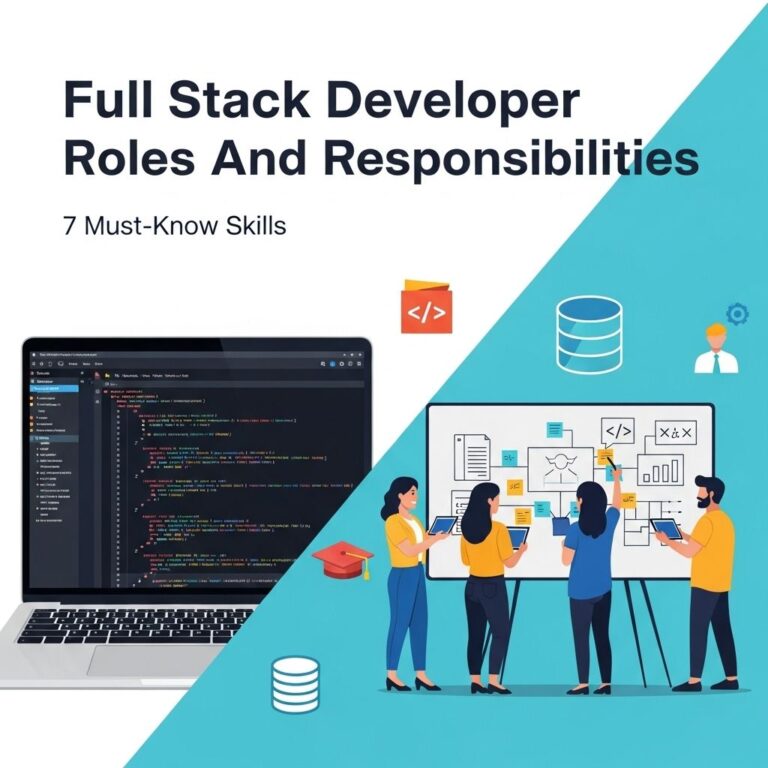
In the rapidly evolving landscape of technology, the role of a full stack developer has become increasingly vital to the success of applications and systems. Full stack developers possess a unique combination of skills that allows them to manage both client-side and server-side development, making them a valuable asset to any tech team. However, as the industry shifts and grows, there are numerous ways to enhance the roles and responsibilities of full stack developers to keep pace with the demands and expectations of modern software development. In this article, we will explore innovative ideas to elevate the position of full stack developers, ensuring they continue to thrive in their careers while contributing meaningfully to their organizations.
Understanding Full Stack Developer Responsibilities
Before diving into strategies for enhancement, it is crucial to understand the core responsibilities that define a full stack developer’s role. Typically, these include:
- Designing and implementing front-end architecture.
- Managing back-end services and databases.
- Integrating APIs and other third-party services.
- Ensuring the responsiveness and performance of applications.
- Collaborating with other developers and stakeholders.
- Debugging and troubleshooting application issues.
- Staying updated with industry trends and emerging technologies.
Enhancement Ideas for Full Stack Developer Roles
1. Emphasizing Continuous Learning
The technology landscape is dynamic, with new frameworks, languages, and tools emerging regularly. To keep up, full stack developers should prioritize continuous learning. Here are some suggestions:
- Online Courses: Platforms like Coursera, Udemy, and Pluralsight offer specialized courses in emerging technologies.
- Workshops and Conferences: Attending workshops and conferences provides networking opportunities and exposure to new ideas.
- Technical Reading: Regularly reading technical blogs, books, and research papers helps developers stay informed.
2. Fostering Collaboration and Communication Skills
Full stack developers often act as a bridge between different teams. Enhancing their collaboration and communication skills can lead to more effective project outcomes:
- Team Workshops: Organizing workshops that focus on communication and collaboration strategies can help teams work more harmoniously.
- Cross-Team Projects: Encouraging full stack developers to work on cross-functional projects enhances their understanding of various roles.
3. Encouraging Mentorship and Knowledge Sharing
Creating a mentorship culture within the organization can significantly enhance the skills of full stack developers:
- Establish a mentoring program where experienced developers guide juniors.
- Encourage knowledge-sharing sessions, where developers can present findings from their learning experiences.
4. Incorporating Agile Methodologies
Adopting Agile methodologies can streamline workflow and improve the efficiency of full stack developers:
- Sprints: Break down tasks into manageable sprints to ensure regular progress and adaptation.
- Stand-Up Meetings: Daily stand-up meetings promote accountability and team cohesion.
5. Enhancing Problem-Solving Skills
Full stack developers should be equipped with strong problem-solving skills to tackle technical challenges:
- Coding Challenges: Encourage participation in coding challenges and hackathons to sharpen problem-solving abilities.
- Peer Reviews: Implement a peer review system to foster critical thinking and constructive feedback.
6. Focusing on Soft Skills Development
As much as technical skills are essential, soft skills play a critical role in a developer’s success:
- Emotional Intelligence: Training in emotional intelligence can enhance team interactions and client relationships.
- Time Management: Provide resources and training on effective time management techniques.
Tools and Technologies for Full Stack Developers
To enhance their roles, full stack developers should be proficient in various tools and technologies. Here’s a table of essential tools categorized by their purpose:
| Category | Tool | Description |
|---|---|---|
| Front-End Frameworks | React | A JavaScript library for building user interfaces. |
| Back-End Frameworks | Node.js | A JavaScript runtime built on Chrome’s V8 engine. |
| Databases | MongoDB | A NoSQL database for modern applications. |
| API Development | Postman | A collaboration platform for API development. |
| Version Control | Git | A distributed version control system to track changes. |
The Role of Community and Networking
Building a strong network and engaging with the developer community can greatly enhance a full stack developer’s role:
- Join Developer Meetups: Participate in local or virtual meetups to connect with fellow developers.
- Contribute to Open Source Projects: Collaborating on open-source projects enhances skills and builds a strong portfolio.
Conclusion
As the demands for software development continue to evolve, full stack developers must enhance their roles and responsibilities to meet these challenges effectively. By focusing on continuous learning, fostering collaboration, enhancing problem-solving skills, and utilizing modern tools and technologies, full stack developers can not only elevate their careers but also contribute significantly to their teams and organizations. Embracing these enhancement ideas ensures that full stack developers remain invaluable in the tech landscape, equipped to tackle the complexities of modern application development.
FAQ
What are the key responsibilities of a full stack developer?
A full stack developer is responsible for both front-end and back-end development, including designing user interfaces, managing databases, and ensuring server-side logic runs smoothly.
How can full stack developers enhance their skill set?
Full stack developers can enhance their skill set by learning new programming languages, mastering frameworks, contributing to open-source projects, and staying updated with the latest industry trends.
What tools should a full stack developer be proficient in?
A full stack developer should be proficient in tools such as version control systems (like Git), database management systems (like MySQL or MongoDB), and front-end frameworks (like React or Angular).
How important is collaboration for full stack developers?
Collaboration is crucial for full stack developers as they often work closely with designers, project managers, and other developers to ensure the successful completion of projects.
What are some best practices for full stack development?
Best practices for full stack development include writing clean and maintainable code, following design patterns, using responsive design principles, and conducting thorough testing.
How can full stack developers improve their problem-solving skills?
Full stack developers can improve their problem-solving skills by engaging in coding challenges, participating in hackathons, and continuously practicing through real-world projects.