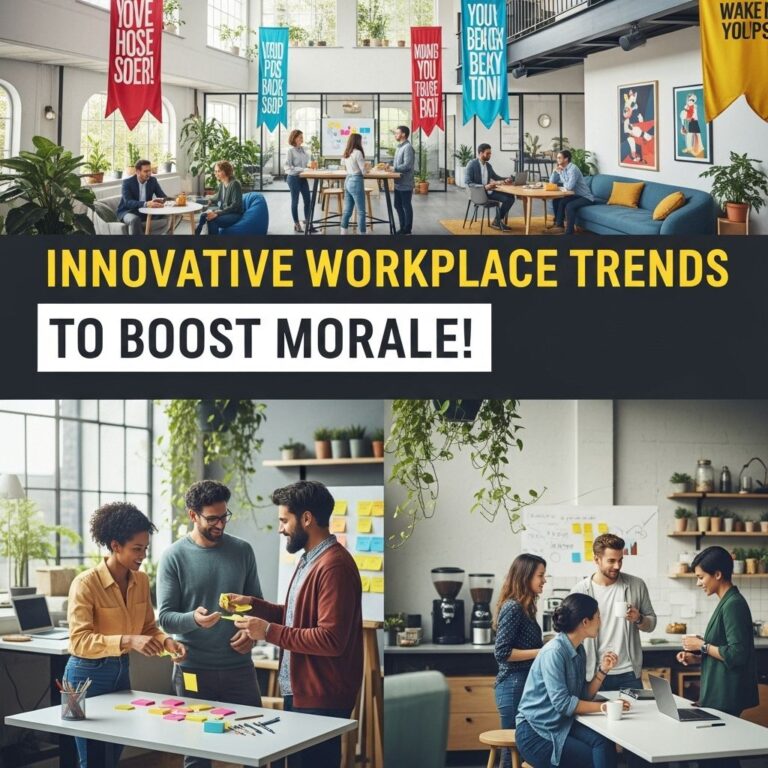
In today’s fast-paced corporate environment, staying ahead of workplace trends is essential for both companies and their employees. As technology evolves and employee expectations change, organizations must adapt to remain competitive and engaged. This article explores the importance of embracing modern workplace trends and offers practical examples that can be implemented immediately.
The Shift to Remote and Hybrid Work Models
The COVID-19 pandemic accelerated the shift towards remote and hybrid work environments. Many businesses were forced to adapt quickly, leading to new ways of working that have proven effective. Here are some key aspects of this trend:
Benefits of Remote Work
- Increased Flexibility: Employees can manage their work-life balance more effectively.
- Cost Savings: Reduced overhead costs for companies and reduced commuting expenses for employees.
- Access to a Global Talent Pool: Companies can hire the best talent regardless of geographical location.
Implementing Hybrid Work Strategies
To make hybrid work effective, consider the following strategies:
- Establish Clear Guidelines: Create a policy for in-office and remote work days.
- Invest in Technology: Ensure all employees have access to the necessary tools for collaboration.
- Encourage Communication: Foster a culture of open communication to bridge the gap between remote and in-office workers.
The Rise of Employee Well-Being Initiatives
Organizations are increasingly recognizing the importance of employee well-being as a crucial element of productivity. Initiatives aimed at promoting mental and physical health can lead to a more engaged workforce.
Examples of Well-Being Initiatives
| Initiative | Description |
|---|---|
| Mental Health Days | Provide employees with designated days off for mental health. |
| Fitness Programs | Offer gym memberships or wellness classes as part of employee benefits. |
| Flexible Hours | Allow employees to adjust their schedules to accommodate personal commitments. |
Leveraging Technology for Enhanced Collaboration
Technology plays a pivotal role in modern workplaces, especially in enhancing collaboration among teams. Tools such as project management software, video conferencing, and instant messaging platforms can streamline communication and improve productivity.
Popular Collaboration Tools
- Slack: A messaging platform that facilitates team communication.
- Trello: A project management tool that helps teams organize tasks visually.
- Zoom: A video conferencing solution that enables remote meetings and webinars.
Implementing Technology Effectively
To maximize the benefits of technology in the workplace, consider these steps:
- Provide Training: Ensure employees are trained to use new tools effectively.
- Encourage Regular Use: Foster a culture where technology is regularly utilized for communication and collaboration.
- Gather Feedback: Regularly solicit feedback on the tools being used to identify areas for improvement.
Fostering a Culture of Diversity and Inclusion
Diversity and inclusion are not just buzzwords; they are essential components of a thriving workplace. Companies that prioritize diverse hiring practices and foster an inclusive culture often see enhanced creativity and innovation.
Strategies for Promoting Diversity
- Inclusive Hiring Practices: Implement blind recruitment processes to reduce bias.
- Employee Resource Groups: Create groups for underrepresented employees to promote networking and support.
- Diversity Training: Conduct regular training sessions to educate employees about unconscious bias and inclusivity.
Measuring Progress in Diversity
It’s important to track the effectiveness of diversity initiatives. Consider using metrics such as:
- Employee Satisfaction Surveys
- Retention Rates of Diverse Employees
- Diversity Metrics in Recruitment
Adopting Agile Methodologies
The adoption of agile methodologies is transforming project management across industries. Agile practices can help teams respond quickly to change and improve project outcomes.
Key Principles of Agile
- Customer Collaboration: Involve customers in the development process to better understand their needs.
- Iterative Development: Break projects into smaller sections to allow for continual feedback and improvement.
- Cross-Functional Teams: Encourage collaboration among diverse skill sets to promote innovation.
Implementing Agile in the Workplace
To successfully integrate agile methodologies, organizations should:
- Provide Training for Teams
- Adopt Agile Tools (e.g., Jira, Asana)
- Encourage a Culture of Flexibility
Conclusion
Embracing workplace trends is not just about keeping up with the latest fads; it’s about fostering a culture of adaptability and innovation. By implementing remote work strategies, prioritizing employee well-being, leveraging technology, promoting diversity, and adopting agile methodologies, organizations can create a thriving workplace that attracts and retains top talent. As the workplace continues to evolve, staying informed and proactive in these trends will ensure that both businesses and employees can thrive together in the future.
FAQ
What are the current workplace trends I should know about?
Current workplace trends include remote work flexibility, hybrid work models, employee well-being initiatives, and the use of technology for collaboration and communication.
How can I implement remote work effectively?
To implement remote work effectively, establish clear communication channels, provide necessary tools and resources, and maintain regular check-ins with your team to ensure productivity and engagement.
What role does technology play in modern workplace trends?
Technology enhances workplace trends by facilitating remote collaboration, automating tasks, improving project management, and enabling data-driven decision-making.
How can I promote employee well-being in the workplace?
Promote employee well-being by offering wellness programs, encouraging work-life balance, providing mental health resources, and fostering a supportive company culture.
What are the benefits of adopting a hybrid work model?
The benefits of a hybrid work model include increased flexibility, improved employee satisfaction, access to a larger talent pool, and potential cost savings on office space.
How can I stay updated on workplace trends?
Stay updated on workplace trends by following industry news, participating in professional networks, attending conferences, and subscribing to relevant publications and newsletters.