
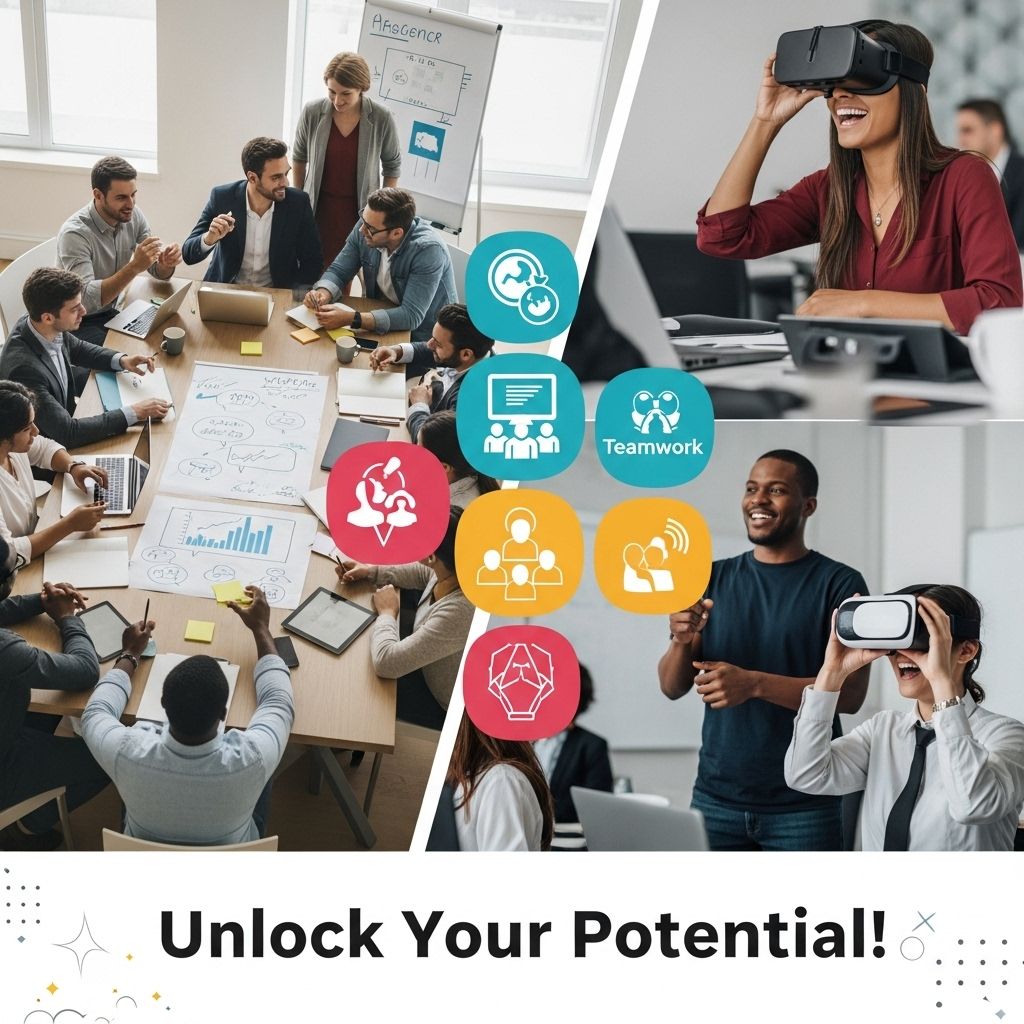

In today’s fast-paced and ever-evolving job market, the emphasis on professional skill development has never been stronger. Organizations recognize that a well-trained workforce is essential for maintaining competitive edge, enhancing productivity, and driving innovation. However, the challenge lies in implementing effective training programs that truly equip employees with the necessary skills to thrive. This article explores various ideas and strategies for creating impactful professional skill development training that caters to diverse learning styles and workplace needs.
Understanding Skill Development
Before diving into effective training methods, it’s important to understand what skill development entails. Skill development is the process of identifying, acquiring, and enhancing the abilities needed to perform specific tasks and roles in the workplace. This can encompass a wide range of skills, including:
- Technical skills related to specific tasks or technologies
- Soft skills such as communication, teamwork, and leadership
- Industry-specific knowledge relevant to a particular field
Investing in skill development not only benefits employees but also contributes to the overall success of the organization. Companies that prioritize training see improvements in employee morale, retention, and performance.
Creating a Training Needs Assessment
To ensure that training is effective, organizations should begin with a comprehensive training needs assessment. This involves:
- Identifying skill gaps through performance reviews and employee feedback.
- Consulting with team leaders and managers to understand the specific requirements of different roles.
- Analyzing industry trends to anticipate future skill needs.
Once the assessments are complete, organizations can tailor their training programs to address the identified gaps.
Methods for Effective Skill Development Training
There are numerous methods that organizations can adopt to deliver effective skill development training. Here are some of the most impactful strategies:
1. Interactive Workshops
Workshops that encourage participation and hands-on practice are particularly effective for skill development. These sessions should:
- Encourage group work to foster collaboration.
- Include real-world scenarios for practical application.
- Utilize expert facilitators to provide insights and guidance.
2. E-Learning Platforms
Utilizing online learning platforms offers flexibility and convenience for employees. Key features to consider include:
- Self-paced learning modules
- Interactive quizzes and assessments
- Certificates of completion to motivate learners
3. Mentorship Programs
Pairing employees with mentors can greatly enhance skill development. Mentorship programs should include:
- Matching mentors with mentees based on skills and career goals.
- Structured mentorship sessions with clear objectives.
- A feedback mechanism to measure progress.
4. Role-playing and Simulation
Role-playing exercises and simulations allow employees to practice skills in a safe environment. This method is particularly effective for developing:
- Customer service skills
- Conflict resolution techniques
- Sales strategies
Incorporating Technology in Training
Technology plays a crucial role in modern training programs. Here are some ways to incorporate technology effectively:
1. Virtual Reality (VR) Training
VR technology offers immersive experiences that can simulate real-world scenarios. This is especially useful for:
- Medical training for surgery and procedures
- Safety training in hazardous environments
- Customer interaction training
2. Mobile Learning
With the rise of smartphones, mobile learning enables employees to access training materials anytime, anywhere. Benefits include:
- Increased accessibility for remote workers
- On-the-go learning opportunities
- Integration with daily tasks
3. Data Analytics for Progress Tracking
Using data analytics tools, organizations can track employee progress and engagement in training programs. This allows for:
- Identifying participants who may be struggling
- Adjusting training content based on performance
- Measuring the overall effectiveness of training initiatives
Measuring the Effectiveness of Training Programs
To ensure continuous improvement, organizations must establish metrics to evaluate the effectiveness of their training programs. Methods for evaluation may include:
| Evaluation Method | Description |
|---|---|
| Pre-and Post-Training Assessments | Test participant knowledge before and after training to measure improvement. |
| Participant Feedback | Gather feedback through surveys to understand participant satisfaction and learning outcomes. |
| Performance Metrics | Analyze changes in performance indicators, such as productivity and sales figures. |
Building a Culture of Continuous Learning
For skill development training to be truly effective, it should be part of a broader culture of continuous learning. Organizations can encourage this culture by:
- Providing ongoing training opportunities beyond initial onboarding.
- Encouraging employees to pursue certifications and professional development.
- Creating an environment where knowledge sharing is valued and celebrated.
Conclusion
In conclusion, effective professional skill development training is essential for both employee growth and organizational success. By employing a variety of training methods, leveraging technology, and fostering a culture of continuous learning, organizations can create dynamic training programs that empower employees and enhance overall performance. It’s not just about skills—it’s about building a resilient workforce that can adapt and thrive in an ever-changing landscape.
FAQ
What are effective methods for professional skill development?
Effective methods for professional skill development include hands-on workshops, online courses, mentorship programs, and peer-to-peer learning groups.
How can I measure the success of my skill development training?
Success can be measured through assessments, feedback surveys, performance evaluations, and tracking the application of new skills in the workplace.
What role does technology play in professional skill development?
Technology enhances skill development through e-learning platforms, virtual simulations, and mobile apps that provide flexible, accessible learning opportunities.
Why is continuous skill development important in the workplace?
Continuous skill development is crucial as it helps employees adapt to industry changes, improves job performance, and enhances career advancement opportunities.
How can organizations create an effective skill development program?
Organizations can create effective programs by conducting needs assessments, setting clear goals, providing diverse learning options, and fostering a culture of continuous improvement.
What are some popular topics for professional skill development training?
Popular topics include leadership, communication skills, project management, critical thinking, and digital literacy.


