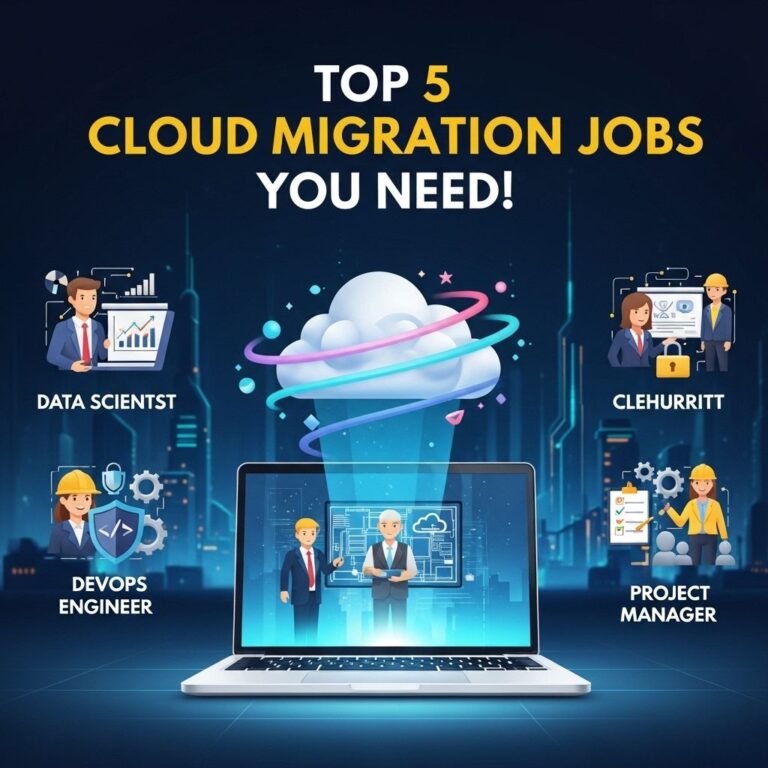


In today’s digital age, cloud computing has become a cornerstone of modern business operations and technology solutions. From startup enterprises to multinational corporations, organizations are increasingly relying on cloud services to enhance efficiency, reduce costs, and drive innovation. As a result, the demand for cloud computing professionals has skyrocketed, making it a lucrative career path for tech-savvy individuals. If you’re considering a career in this dynamic field, understanding the first steps to unlock opportunities in cloud computing is crucial.
Understanding Cloud Computing Fundamentals
Before diving into specific career paths or certifications, it’s essential to grasp the fundamental concepts of cloud computing. This technology allows users to access computing resources—like servers, storage, databases, and applications—over the internet (the cloud). The primary characteristics include:
- On-Demand Self-Service: Users can automatically provision computing capabilities without requiring human interaction.
- Broad Network Access: Services are accessible over a network through standard mechanisms.
- Resource Pooling: Providers’ computing resources are pooled to serve multiple consumers.
- Rapid Elasticity: Capabilities can be elastically provisioned and released to scale rapidly.
- Measured Service: Resource usage is monitored, controlled, and reported for transparency.
Exploring Career Paths in Cloud Computing
Different Roles in the Cloud Ecosystem
Cloud computing encompasses various roles, each requiring distinct skills and knowledge. Here are some of the most sought-after positions:
- Cloud Architect: Responsible for designing and implementing cloud solutions.
- Cloud Engineer: Focuses on developing and maintaining cloud services and infrastructure.
- Cloud Security Analyst: Ensures the security of cloud applications and data.
- DevOps Engineer: Bridges development and operations by automating processes in cloud environments.
- Data Engineer: Specializes in data architecture and processing on cloud platforms.
Skills Required for Cloud Careers
Equipping yourself with relevant skills is vital to succeed in cloud computing careers. Key skills include:
- Familiarity with cloud service providers (e.g., AWS, Azure, Google Cloud)
- Understanding virtualization and containerization technologies (e.g., Docker, Kubernetes)
- Networking and security fundamentals
- Programming/scripting (e.g., Python, JavaScript)
- Knowledge of databases and data storage solutions
Certifications to Boost Your Career
Certifications demonstrate your expertise and can significantly enhance your employability. Here are some of the most recognized cloud certifications:
| Certification | Provider | Focus Area |
|---|---|---|
| AWS Certified Solutions Architect | Amazon Web Services | Architecting cloud solutions |
| Microsoft Certified: Azure Solutions Architect Expert | Microsoft | Designing solutions on Azure |
| Google Cloud Professional Cloud Architect | Google Cloud | Architecting on Google Cloud |
| CompTIA Cloud+ | CompTIA | Cloud computing fundamentals |
| Certified Cloud Security Professional (CCSP) | ISC2 | Cloud security best practices |
Choosing the Right Certification
Factors to Consider
Selecting a certification should be based on your career goals, existing skills, and the specific cloud platform you want to specialize in. Consider the following:
- Your current knowledge and experience level in cloud technologies
- The demand for specific certifications in your desired job market
- The resources available for preparation (courses, study guides, practice exams)
Study Tips for Certification Preparation
Successfully obtaining a certification requires a structured study approach. Here are some effective strategies:
- Understand the Exam Structure: Familiarize yourself with the exam format, types of questions, and time limits.
- Leverage Online Resources: Utilize study guides, video tutorials, and practice exams available on platforms like Coursera, Udemy, or official certification websites.
- Join Study Groups: Collaborating with peers can help solidify your understanding and provide motivation.
- Hands-On Practice: Set up a free tier account with cloud providers to gain practical experience.
Building a Network and Gaining Experience
Certification and skills alone are often not enough; building a network within the industry and gaining practical experience can greatly enhance your career prospects. Here are ways to achieve this:
- Attend Cloud Computing Conferences: Events like AWS re:Invent or Microsoft Ignite can offer networking opportunities.
- Join Online Communities: Platforms like LinkedIn, Reddit, or specialized forums can connect you with cloud professionals.
- Contribute to Open Source Projects: Collaborating on cloud-related projects can showcase your skills to potential employers.
Staying Updated with Industry Trends
The tech landscape is ever-evolving, especially in cloud computing. Staying updated with the latest trends and advancements is crucial. Follow industry leaders, subscribe to relevant blogs, and engage with online courses to keep your skills fresh. Some trending topics to explore include:
- Serverless computing
- Artificial Intelligence and Machine Learning integration in cloud
- Multi-cloud strategies
- Edge computing
Conclusion
Embarking on a career in cloud computing offers incredible opportunities for growth and innovation. By understanding the fundamentals, exploring various roles, obtaining certifications, and continuously adapting to industry changes, you can position yourself for success in this high-demand field. Take the first step towards unlocking your future in cloud computing today!
FAQ
What are the key certifications for a career in cloud computing?
Some of the key certifications include AWS Certified Solutions Architect, Microsoft Certified: Azure Administrator Associate, and Google Cloud Professional Cloud Architect.
How can I start my career in cloud computing?
To start your career in cloud computing, consider taking foundational courses, obtaining relevant certifications, and gaining hands-on experience through projects or internships.
What skills are essential for cloud computing professionals?
Essential skills include knowledge of cloud platforms, networking, security, and familiarity with DevOps practices and tools.
Are there entry-level positions available in cloud computing?
Yes, entry-level positions such as cloud support associate, cloud operations technician, and cloud sales representative are available for beginners.
How does cloud computing impact job opportunities?
Cloud computing has significantly increased job opportunities across various sectors, as businesses are shifting to cloud-based solutions.
What is the average salary for cloud computing professionals?
The average salary for cloud computing professionals varies widely, but it typically ranges from $80,000 to over $150,000 depending on experience and role.