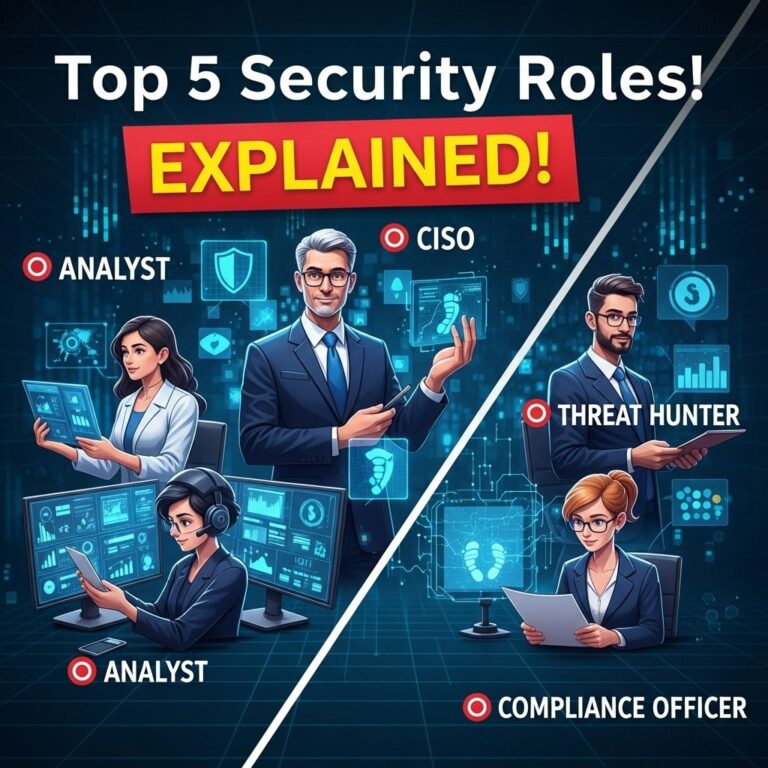
In an era where cyber threats are becoming increasingly sophisticated, security operations teams play a crucial role in defending organizations from potential breaches and attacks. These teams are responsible for monitoring, detecting, and responding to security incidents, making the right tools essential for their effectiveness. This article delves into the best tools available for security operations, exploring their functionalities, benefits, and how they can empower security professionals in their roles.
Understanding Security Operations
Before diving into the tools, it is important to understand what security operations entail. Security operations refer to the continuous process of monitoring, detecting, and responding to security incidents within an organization. This involves:
- Incident Detection
- Incident Response
- Threat Intelligence
- Vulnerability Management
- Compliance Monitoring
Security operations teams often operate within a Security Operations Center (SOC), where they utilize various tools to manage these responsibilities.
Key Categories of Security Tools
Security tools can be categorized into several key areas, each addressing specific needs within security operations. Here are four main categories:
1. Security Information and Event Management (SIEM)
SIEM tools collect and analyze security data from across the organization’s network. They help in real-time threat detection and incident response. Here are some of the best SIEM tools available:
| Tool | Key Features | Best For |
|---|---|---|
| Splunk | Real-time monitoring, advanced analytics, customizable dashboards | Large enterprises with diverse IT environments |
| IBM QRadar | Robust threat intelligence, compliance monitoring | Organizations needing strong compliance capabilities |
| LogRhythm | Comprehensive log analysis, automated response capabilities | Mid-sized businesses focusing on incident response |
2. Threat Intelligence Platforms
Threat intelligence platforms help security teams aggregate and analyze threat data to inform their security posture. These tools provide insights into potential threats and help prioritize responses. Notable platforms include:
- Recorded Future: Provides real-time threat intelligence and alerts.
- ThreatConnect: Consolidates threat data from various sources for actionable insights.
- Anomali: Helps identify and manage threats with behavioral analysis.
3. Endpoint Detection and Response (EDR)
EDR solutions monitor end-user devices and respond to threats detected on endpoints. The following are leading EDR tools:
- CrowdStrike Falcon: Cloud-native EDR with real-time detection and response capabilities.
- Carbon Black: Offers behavioral monitoring for effective threat detection.
- Microsoft Defender for Endpoint: Integrates with Microsoft 365 for comprehensive endpoint security.
4. Incident Response Tools
When a security incident occurs, it’s crucial to have the right tools for effective response. Incident response tools streamline investigation and remediation processes. Some notable options include:
- Cyborg: Provides playbooks for standardized response strategies.
- Demisto: Integrates with existing tools for automated incident response.
- Resilient: Focuses on coordinating and managing incident response workflows.
Integrating Security Tools for Maximum Effectiveness
While individual tools are important, integration between these tools can significantly enhance security operations. Here’s how:
Centralized Dashboard
Creating a centralized dashboard that aggregates data from various tools can provide security teams with a unified view of the security landscape. This helps in:
- Quickly identifying potential threats.
- Improving response time to incidents.
- Streamlining reporting and compliance processes.
Automation and Orchestration
Using Security Orchestration, Automation, and Response (SOAR) tools can automate repetitive tasks, allowing security professionals to focus on more complex issues. Benefits include:
- Reduced response times.
- Increased operational efficiency.
- Enhanced collaboration between teams.
Continuous Learning and Adaptation
Cybersecurity is a continually evolving field. Tools and strategies that worked yesterday may not be effective today. Thus, ongoing training and adaptation are crucial for security operations teams. Here are some strategies for continuous learning:
Regular Training Sessions
Organizing regular training sessions helps teams stay updated on the latest cybersecurity trends, tools, and techniques. Consider:
- Workshops with tool vendors.
- Participation in cybersecurity conferences.
- Online courses and certifications.
Threat Hunting Exercises
Engaging in proactive threat hunting exercises can sharpen the skills of security teams. This involves:
- Simulating attacks to evaluate defenses.
- Analyzing past incidents for lessons learned.
- Collaborating with other teams to share insights and strategies.
Conclusion
The landscape of cybersecurity continues to change, necessitating that security operations teams equip themselves with the best tools available. From SIEM and threat intelligence platforms to EDR and incident response tools, having the right technology can improve an organization’s ability to detect, respond to, and mitigate threats. Furthermore, integrating these tools and fostering a culture of continuous learning will ensure that security operations remain robust and adaptive in the face of evolving cyber threats.
FAQ
What are the key responsibilities of security operations roles?
Security operations roles are primarily responsible for monitoring, detecting, and responding to security incidents, managing security tools and technologies, conducting risk assessments, and ensuring compliance with security policies.
What tools are essential for security operations?
Essential tools for security operations include Security Information and Event Management (SIEM) systems, Intrusion Detection Systems (IDS), Firewalls, Endpoint Detection and Response (EDR) solutions, and threat intelligence platforms.
How do SIEM tools enhance security operations?
SIEM tools enhance security operations by aggregating and analyzing security data from multiple sources, providing real-time alerts, and enabling incident response through automated workflows.
What role does threat intelligence play in security operations?
Threat intelligence plays a crucial role in security operations by providing context about potential threats, helping teams to prioritize responses, and improving overall security posture through informed decision-making.
How can organizations improve their security operations?
Organizations can improve their security operations by investing in advanced security tools, conducting regular training for staff, implementing automated incident response processes, and continuously assessing and updating their security policies.
What skills are important for security operations professionals?
Important skills for security operations professionals include knowledge of cybersecurity principles, proficiency in using security tools, analytical thinking, problem-solving abilities, and effective communication skills.