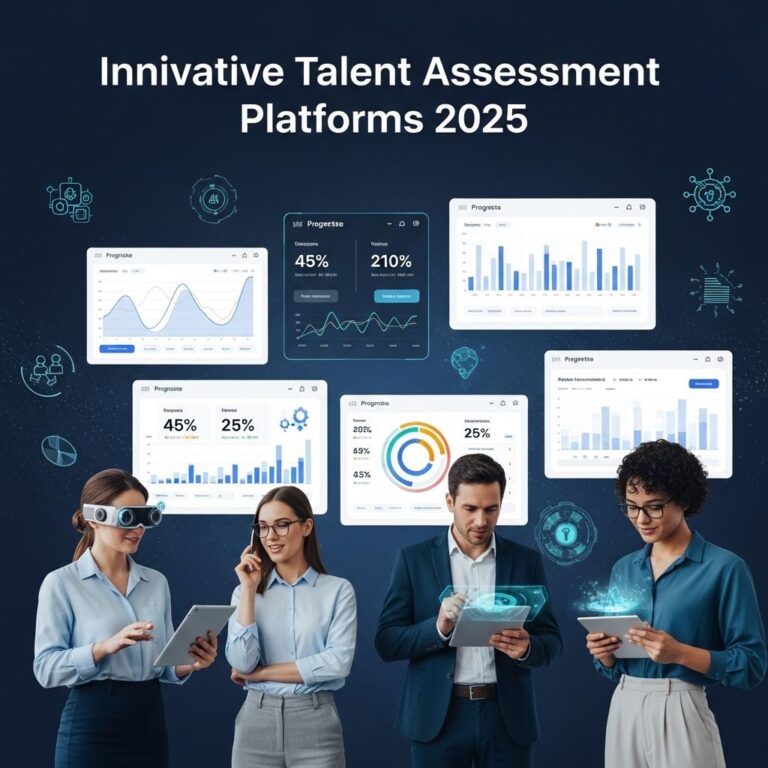

In today’s fast-paced business environment, the role of Human Resources (HR) has evolved significantly, becoming a critical part of organizational success. The right tools can enhance efficiency, improve communication, and streamline processes in HR departments, whether in recruitment, performance management, or employee engagement. This article will explore various tools that can elevate HR careers and assist professionals in managing their responsibilities more effectively.
Understanding the HR Landscape
The HR landscape has transformed over the years due to the integration of technology and data-driven decision-making. Today’s HR professionals need tools that not only automate processes but also provide insights into workforce analytics, employee satisfaction, and talent development.
Essential HR Software Tools
Here is a list of critical software tools that every HR professional should consider:
- Applicant Tracking Systems (ATS): These systems streamline the recruitment process by managing job postings, applications, and candidate communications.
- Human Resource Information Systems (HRIS): These platforms manage employee data, payroll, benefits administration, and compliance record-keeping.
- Performance Management Software: Tools that facilitate employee evaluations, feedback, and personal development plans.
- Learning Management Systems (LMS): Platforms that provide training, onboarding, and skills development resources.
- Employee Engagement Tools: Solutions that measure employee satisfaction and foster a positive work culture through feedback and recognition.
Top HR Tools to Consider
1. BambooHR
BambooHR is an all-in-one HR software designed for small to medium-sized businesses. It offers features such as:
- Employee records and tracking
- Time-off management
- Performance management tools
- Custom reporting capabilities
With its intuitive interface, BambooHR helps HR professionals focus on strategic initiatives rather than administrative tasks.
2. Workable
Workable is an applicant tracking system that simplifies recruiting processes. Key features include:
- Easy job posting across multiple platforms
- Customizable hiring workflows
- Collaboration tools for hiring teams
This tool enables HR teams to source candidates effectively while maintaining a seamless hiring experience.
3. Gusto
Gusto is a robust HR platform that combines payroll, benefits, and compliance management in a single solution. Its features include:
- Automated payroll processing
- Employee benefits administration
- Tax filing and compliance support
Gusto is particularly beneficial for small businesses looking to simplify their HR functions.
4. Lattice
Lattice provides a comprehensive performance management system, allowing organizations to foster a culture of continuous feedback and growth. Key features include:
- Goal tracking and performance reviews
- Real-time feedback tools
- Employee engagement surveys
This platform helps HR professionals align individual and organizational goals while promoting transparency and communication.
5. LinkedIn Talent Solutions
Leveraging the vast network of LinkedIn, this tool provides powerful recruiting capabilities. Features include:
- Advanced candidate search filters
- Job posting and sponsored ads
- Insights and analytics on job performance
LinkedIn Talent Solutions is an invaluable resource for HR professionals focused on attracting top talent.
Networking and Professional Development
In addition to utilizing software tools, HR professionals should prioritize networking and continuous learning. Consider the following:
- Professional Associations: Joining organizations like the Society for Human Resource Management (SHRM) can provide resources, certifications, and networking opportunities.
- Webinars and Conferences: Attending industry events helps HR professionals stay updated on trends and best practices.
- Online Courses: Platforms like Coursera and LinkedIn Learning offer courses specifically tailored for HR professionals.
The Future of HR Technology
The future of HR technology is bright, with advancements such as artificial intelligence (AI) and machine learning set to revolutionize the field. Here are a few trends to watch:
- AI in Recruitment: AI can help screen candidates more efficiently and reduce bias in the hiring process.
- Data-Driven Decision Making: Analyzing employee data will provide insights that can shape workforce strategies and culture.
- Remote Work Management: Tools that support remote work will continue to gain traction, facilitating virtual collaboration and performance tracking.
Conclusion
As the field of Human Resources continues to evolve, embracing the right tools and technologies is essential for success. By integrating powerful software solutions, engaging in networking and professional development, and staying attuned to future trends, HR professionals can not only enhance their careers but also contribute significantly to their organizations. The journey of HR is continuous, and with the right strategies and tools, professionals can navigate the complexities of managing human capital effectively.
FAQ
What are the best HR tools for recruitment?
Some of the best HR tools for recruitment include Applicant Tracking Systems (ATS) like Greenhouse, Lever, and BambooHR, which streamline the hiring process and improve candidate management.
How can I improve employee engagement using HR tools?
HR tools like TINYpulse and Officevibe help gauge employee satisfaction and engagement through surveys and feedback, allowing you to implement changes that boost morale.
What software should I use for performance management in HR?
Performance management tools such as Lattice, 15Five, and Betterworks enable continuous feedback, goal tracking, and performance reviews, fostering a culture of growth and accountability.
Are there affordable HR tools for small businesses?
Yes, platforms like Gusto, Zenefits, and Justworks provide affordable HR solutions tailored for small businesses, covering payroll, benefits, and compliance needs.
What are the top HR analytics tools available?
Top HR analytics tools include Visier, Tableau, and SAP SuccessFactors, which help organizations analyze workforce data to make informed decisions and improve HR strategies.
How can I find HR tools that suit my specific needs?
Identifying your specific needs, such as recruitment, onboarding, or performance management, and researching tools with customizable features or free trials can help you find the right HR tools for your organization.