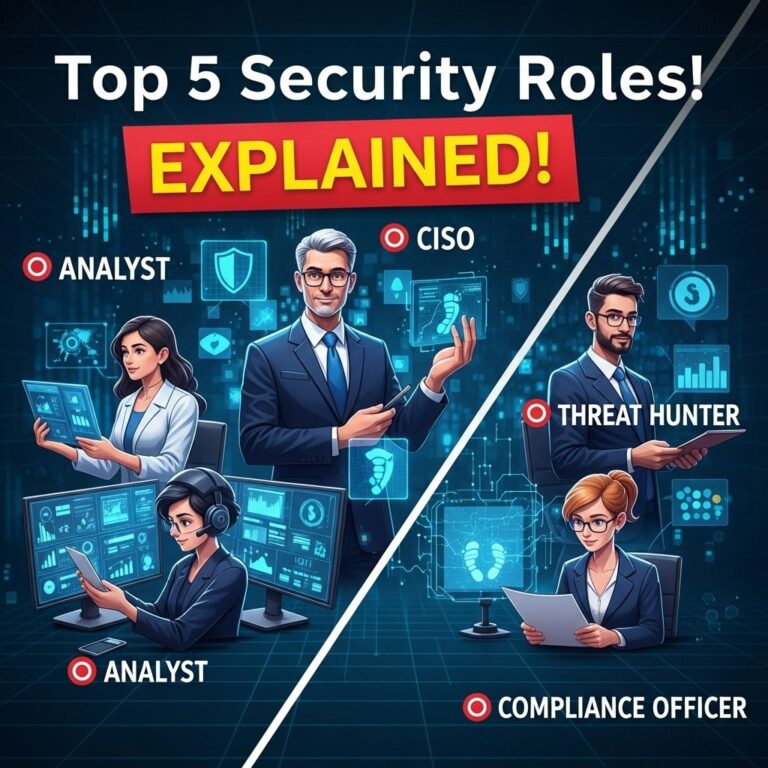
In today’s digital age, cybersecurity has emerged as a critical field, protecting sensitive data and systems from cyber threats. As businesses increasingly rely on technology, the demand for skilled cybersecurity professionals continues to grow. This article outlines effective strategies to accelerate your career in cybersecurity, helping you navigate the complexities of this dynamic sector.
Understanding the Cybersecurity Landscape
The cybersecurity landscape is vast and constantly evolving. To build a successful career in this field, it’s essential to understand the various domains within cybersecurity, including:
- Network Security: Protecting networks from unauthorized access and ensuring data integrity.
- Application Security: Securing applications throughout their lifecycle, from development to deployment.
- Information Security: Safeguarding sensitive information from breaches and unauthorized access.
- Incident Response: Addressing and managing security breaches or cyberattacks as they occur.
- Compliance and Risk Management: Ensuring that organizations adhere to regulations and managing associated risks.
Essential Skills for a Cybersecurity Career
To excel in cybersecurity, certain skills are paramount. Here are the top skills you should focus on developing:
- Technical Proficiency: Familiarity with operating systems (Windows, Linux), networking protocols, and cybersecurity tools.
- Problem-Solving Abilities: The capacity to troubleshoot issues and respond to incidents effectively.
- Knowledge of Security Frameworks: Understanding frameworks such as NIST, ISO 27001, and CIS controls.
- Soft Skills: Communication, teamwork, and analytical thinking are crucial for collaborating with diverse teams.
Education and Certifications
A solid educational foundation is vital for a successful cybersecurity career. While degree programs are beneficial, certifications can significantly enhance your credentials:
| Certification | Overview |
|---|---|
| CISSP | Certified Information Systems Security Professional, ideal for experienced professionals. |
| CISA | Certified Information Systems Auditor, focuses on auditing and control. |
| CEH | Certified Ethical Hacker, teaches penetration testing skills. |
| CompTIA Security+ | Entry-level certification covering essential cybersecurity concepts. |
| CCSP | Certified Cloud Security Professional, focuses on cloud security. |
Gaining Experience
Practical experience is crucial in cybersecurity. Here are ways to gain hands-on experience rapidly:
Internships and Entry-Level Positions
Look for internships or entry-level positions that offer exposure to real-world cybersecurity challenges. This could involve roles such as:
- Security Analyst
- IT Support Specialist
- Network Engineer
Volunteer Opportunities
Consider volunteering for non-profit organizations or community services that need cybersecurity assistance. This adds to your experience and enhances your portfolio.
Participating in Capture the Flag (CTF) Competitions
Engage in CTF competitions to sharpen your skills in a competitive, hands-on environment. These events are great for learning and networking with other professionals.
Networking and Professional Development
Building a professional network is essential in cybersecurity. Here are some tips for effective networking:
- Attend Conferences: Participate in cybersecurity conferences such as DEF CON, Black Hat, and local meetups to connect with industry experts.
- Join Online Communities: Engage in forums or social media groups where cybersecurity professionals share insights and job opportunities.
- Utilize LinkedIn: Maintain an updated LinkedIn profile, highlighting your skills, certifications, and experiences. Connect with professionals in the field.
Staying Current in Cybersecurity
The cybersecurity field is continually changing; thus, staying informed about the latest trends and threats is crucial. Here are some strategies to keep your knowledge up-to-date:
- Follow Industry Blogs: Subscribe to reputable cybersecurity blogs and websites such as Krebs on Security, Dark Reading, and the SANS Institute.
- Participate in Webinars: Attend webinars and online courses to learn about emerging technologies and best practices.
- Read Research Papers: Explore academic and industry publications to gain insights into current research and trends.
Preparing for Job Interviews
Once you’ve developed your skills and networked effectively, it’s time to prepare for job interviews. Here are key tips:
Research the Company
Understand the organization’s cybersecurity needs and recent developments in their sector. Tailor your answers to reflect how your experience aligns with their goals.
Practice Common Interview Questions
Familiarize yourself with common cybersecurity interview questions, such as:
- What is your experience with firewalls and intrusion detection systems?
- Can you explain the difference between symmetric and asymmetric encryption?
- How would you respond to a data breach?
Showcase Your Projects
If you have completed relevant projects, be prepared to discuss them in detail. Highlight your role, the challenges faced, and the results achieved.
Conclusion
Building a career in cybersecurity requires a combination of education, experience, and networking. By understanding the landscape, acquiring essential skills, gaining practical experience, and staying current with industry trends, you can fast-track your journey in this vital field. As the demand for cybersecurity professionals continues to rise, seizing the opportunities in this domain will undoubtedly lead to a rewarding and impactful career.
FAQ
What skills are essential for a career in cybersecurity?
Essential skills for a career in cybersecurity include knowledge of network security, threat analysis, incident response, and familiarity with various cybersecurity tools and frameworks.
What certifications should I pursue for a cybersecurity career?
Certifications such as CompTIA Security+, Certified Ethical Hacker (CEH), and Certified Information Systems Security Professional (CISSP) are highly regarded in the cybersecurity field.
How can I gain practical experience in cybersecurity quickly?
You can gain practical experience through internships, participating in Capture The Flag (CTF) competitions, or contributing to open-source security projects.
What are the best entry-level jobs in cybersecurity?
Best entry-level jobs in cybersecurity include positions like Security Analyst, IT Support Specialist, and Network Administrator, which provide foundational knowledge and experience.
How important is networking for advancing a cybersecurity career?
Networking is crucial for advancing a cybersecurity career; it helps in finding job opportunities, learning from industry professionals, and staying updated on the latest trends.
What resources can I use to learn about cybersecurity?
You can use online platforms like Coursera, Udemy, and Cybrary, as well as books, webinars, and industry blogs to learn about cybersecurity effectively.