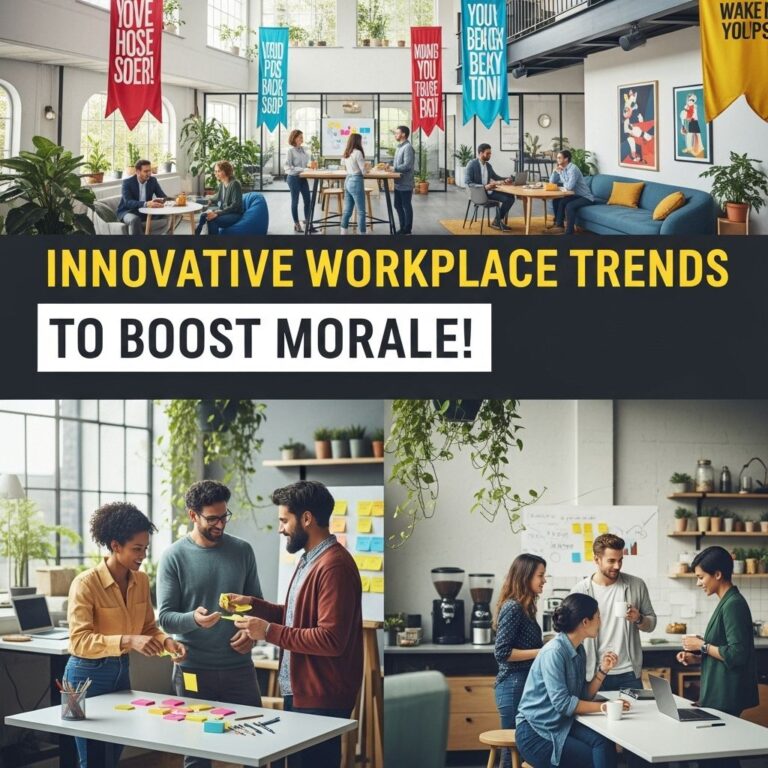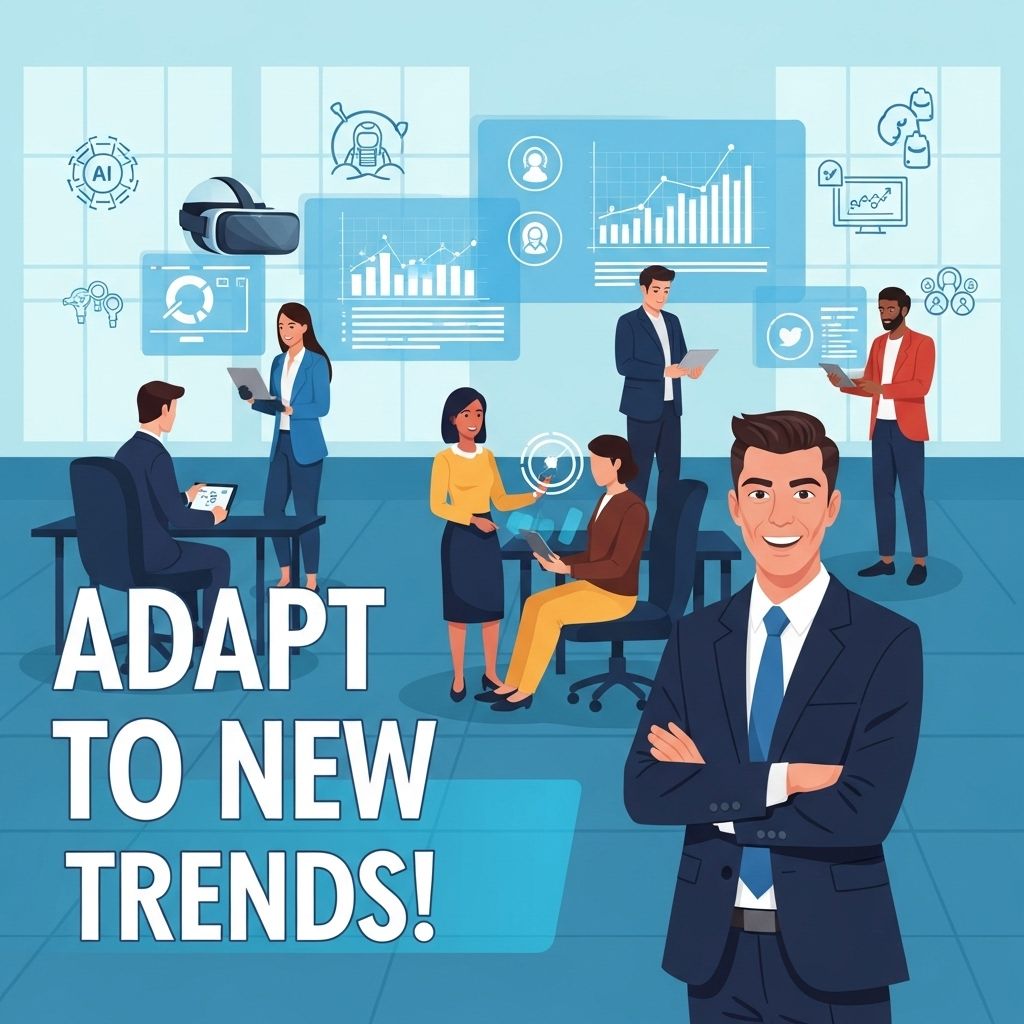

In today’s rapidly evolving work environment, staying ahead of workplace trends is crucial for any organization that wants to thrive. The dynamics of remote work, the rise of artificial intelligence, and the need for enhanced employee engagement are just some of the factors reshaping the traditional workplace. Adapting to these changes not only improves productivity but also enhances employee satisfaction and retention. In this article, we will explore various workplace trends and practical examples of how organizations are successfully adapting to these shifts.
The Shift to Remote Work
The trend towards remote work has transformed how businesses operate. Initially spurred by necessity, remote work has become a preferred model for many organizations. Adapting to this trend involves not just providing the right tools, but also fostering a culture that supports remote work.
Tools and Technologies
Organizations must invest in robust technology solutions to facilitate remote collaboration. Here are some essential tools:
- Video Conferencing: Platforms like Zoom and Microsoft Teams allow for face-to-face interactions, helping to maintain personal connections.
- Project Management Tools: Software like Asana and Trello help teams track progress and stay organized.
- Cloud Storage: Services such as Google Drive and Dropbox ensure that employees can access files from anywhere.
Example Case: Automattic
Automattic, the company behind WordPress, has embraced a fully distributed workforce. Their approach includes:
- Regular virtual meetups to maintain team cohesion.
- Flexible schedules that prioritize work-life balance.
- A strong emphasis on asynchronous communication to accommodate different time zones.
The Rise of Artificial Intelligence
AI is reshaping the workplace, automating mundane tasks and enabling smarter decision-making. Adapting to AI involves integrating these technologies into daily operations.
Implementing AI Tools
Organizations can leverage AI in various ways:
| AI Tool | Function | Benefits |
|---|---|---|
| Chatbots | Customer service | 24/7 availability, rapid response times |
| Data Analytics | Business intelligence | Informed decision-making, identifying trends |
| Automation Software | Task automation | Increased efficiency, reduced human error |
Example Case: IBM
IBM has been a front-runner in integrating AI into the workplace. Their AI platform, Watson, is used for various applications, including:
- Enhancing customer service with intelligent chatbots.
- Facilitating data-driven decision-making across departments.
- Personalizing employee training programs based on individual performance metrics.
Focus on Employee Engagement and Well-being
As the workplace evolves, employee engagement remains a critical focus. Organizations that prioritize well-being tend to see higher productivity and lower turnover rates.
Strategies for Engagement
Here are some effective strategies:
- Regular Feedback: Implementing a system for continuous feedback helps employees feel valued and engaged.
- Professional Development: Offering opportunities for skill development boosts morale and retention.
- Wellness Programs: Initiatives focused on mental health and physical well-being show employees that their health is a priority.
Example Case: Google
Google is renowned for its commitment to employee engagement. Some of their initiatives include:
- A comprehensive employee wellness program that includes fitness classes and mental health resources.
- Regular Career Development Days to encourage employees to focus on their professional growth.
- An open office layout that fosters collaboration and communication.
Embracing Diversity and Inclusion
Diversity and inclusion have become essential components of the modern workplace. Organizations must actively work to create an inclusive environment that benefits from diverse perspectives.
Creating Inclusive Policies
Here are a few key policies to adopt:
- Recruitment Practices: Implement strategies to attract a diverse talent pool.
- Training Programs: Develop training for employees on cultural competency and unconscious bias.
- Employee Resource Groups: Support various employee groups to foster community and belonging.
Example Case: Microsoft
Microsoft has made significant strides in diversity and inclusion, with initiatives such as:
- Comprehensive diversity training for all employees.
- Transparent reporting on diversity metrics and goals.
- Establishing partnerships with organizations that support diverse communities.
Conclusion
Adapting to workplace trends is not just a matter of keeping up; it is about being proactive in shaping the future of work. Organizations that embrace remote work, integrate AI, focus on employee well-being, and champion diversity are better positioned to thrive in the ever-changing landscape of the modern workplace. By implementing these strategies and learning from industry leaders, businesses can create an engaging, productive, and inclusive environment that not only meets the needs of their employees but also drives success.
FAQ
What are some current workplace trends I should be aware of?
Some current workplace trends include remote work, flexible hours, employee wellness programs, diversity and inclusion initiatives, and the use of advanced technology.
How can I implement remote work effectively?
To implement remote work effectively, invest in reliable communication tools, set clear expectations, maintain regular check-ins, and foster a culture of trust.
What are examples of flexible work arrangements?
Examples of flexible work arrangements include compressed workweeks, job sharing, telecommuting, and adjustable start and end times for shifts.
How do employee wellness programs impact workplace culture?
Employee wellness programs can enhance workplace culture by improving employee morale, increasing productivity, and reducing absenteeism.
What is the importance of diversity and inclusion in the workplace?
Diversity and inclusion are important as they foster innovation, improve employee satisfaction, and reflect a broader range of perspectives and ideas.
How can technology improve workplace efficiency?
Technology can improve workplace efficiency by automating repetitive tasks, facilitating better communication, and providing tools for data analysis and project management.