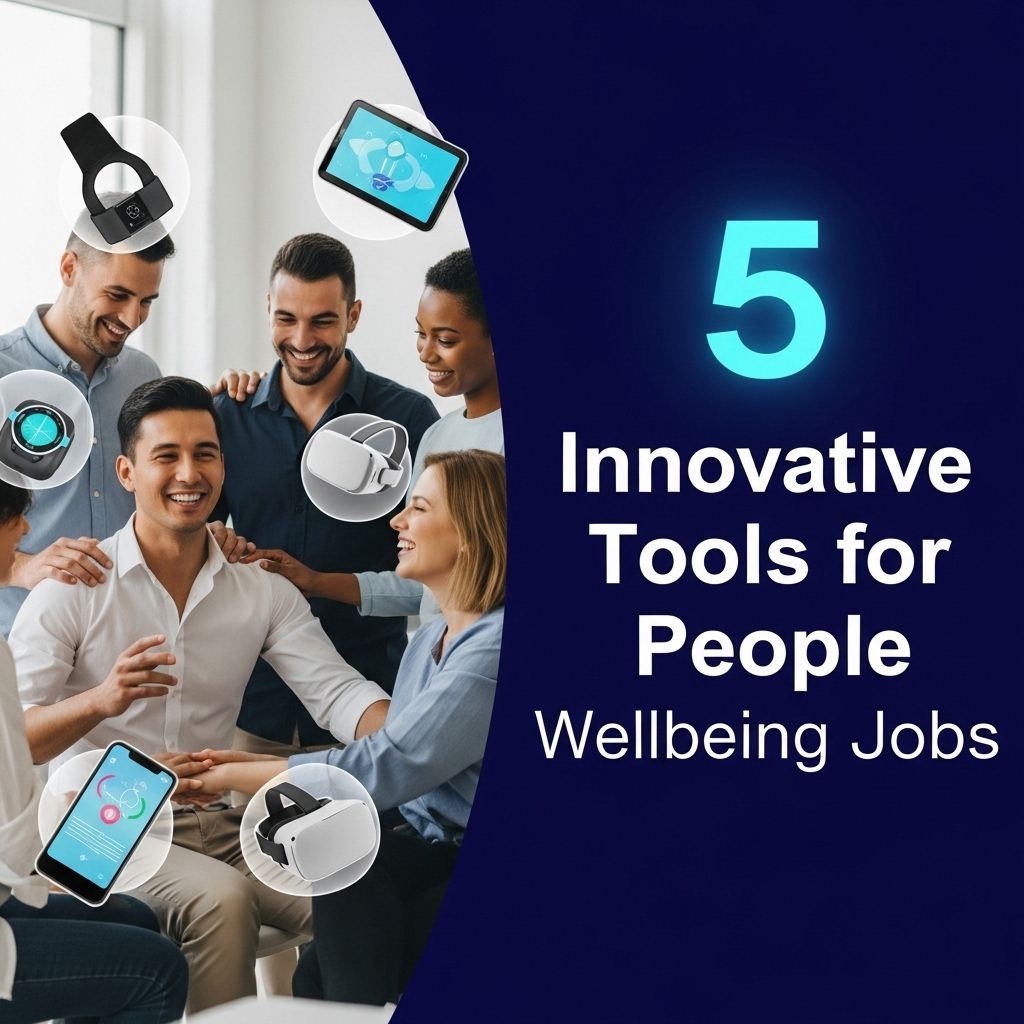

In today’s fast-paced world, the focus on mental and emotional wellbeing has never been more critical. Professionals in the wellbeing sector are continuously seeking innovative tools to enhance their practice and support their clients. From technology-driven solutions to creative methodologies, the tools available for those in wellbeing jobs are evolving rapidly. This article delves into five cutting-edge tools that are transforming the landscape of wellbeing professions.
1. Digital Therapeutics Platforms
Digital therapeutics platforms are redefining mental health care by providing evidence-based interventions through software programs. These platforms offer a range of services, from cognitive behavioral therapy (CBT) to mindfulness practices.
Key Features:
- Evidence-based interventions
- User-friendly mobile applications
- Real-time data tracking and analytics
One such platform, Woebot, uses artificial intelligence to deliver CBT techniques through conversational agents. Users can access mental health support at their convenience, making it an invaluable resource for both practitioners and clients.
2. Wearable Wellness Devices
Wearable technology, including fitness trackers and smartwatches, has gained popularity for its ability to monitor physical health indicators. However, these devices also play a critical role in supporting mental wellbeing.
Benefits of Wearable Devices:
- Continuous monitoring of physical activity
- Sleep tracking to identify patterns
- Stress management through biofeedback
Devices like the Apple Watch provide features such as heart rate monitoring, activity reminders, and mindfulness sessions that can help users manage their wellbeing effectively.
3. Online Community Platforms
Building a supportive community is essential for anyone engaged in wellbeing jobs. Online community platforms facilitate connections between practitioners, clients, and peers, fostering a sense of belonging and support.
Advantages of Online Communities:
| Advantage | Description |
|---|---|
| Accessibility | Available 24/7, allowing users to connect anytime. |
| Diverse Perspectives | Members can share varied experiences and insights. |
| Resource Sharing | Members can exchange useful tools, articles, and strategies. |
Platforms like Facebook Groups or dedicated forums offer spaces where wellbeing professionals can engage, share knowledge, and offer support to one another.
4. Interactive Journaling Apps
Journaling has long been recognized as a beneficial practice for personal growth and mental health. Interactive journaling apps take this concept further by incorporating guided prompts, mood tracking, and analytics.
Features of Interactive Journaling Apps:
- Customizable prompts to encourage reflection
- Mood tracking to identify emotional patterns
- Data visualization to observe progress
Applications like Daylio allow users to maintain a journal without lengthy entries, making it easier for busy individuals to engage in self-reflection.
5. Virtual Reality (VR) Experiences
The use of virtual reality in wellbeing practices is a groundbreaking development that offers immersive experiences for relaxation, stress relief, and therapy.
Applications of VR in Wellbeing:
- Guided meditation in tranquil environments
- Exposure therapy for phobias and PTSD
- Stress reduction through immersive nature experiences
With platforms like Oculus Rift, wellbeing professionals can guide clients through calming virtual environments, providing a unique approach to relaxation and therapeutic practices.
Conclusion
As the demand for mental and emotional wellbeing support continues to rise, innovative tools are emerging to empower professionals in this field. From digital therapy and wearables to community platforms and immersive experiences, these tools are enhancing the effectiveness of wellbeing practices. By embracing these innovations, practitioners can better support their clients in achieving optimal wellness. The future of wellbeing jobs looks brighter with the integration of technology and creative solutions, paving the way for a holistic approach to health.
FAQ
What are some innovative tools for enhancing wellbeing in the workplace?
Innovative tools for enhancing workplace wellbeing include mindfulness apps, virtual reality stress relief experiences, employee engagement platforms, wearable health technology, and online therapy services.
How can mindfulness apps improve employee wellbeing?
Mindfulness apps can improve employee wellbeing by providing guided meditations, stress management techniques, and tools for enhancing focus and emotional resilience.
What role does wearable health technology play in wellbeing jobs?
Wearable health technology plays a crucial role in wellbeing jobs by tracking physical activity, sleep patterns, and stress levels, allowing organizations to promote healthier lifestyles among employees.
Are virtual reality tools effective for stress relief?
Yes, virtual reality tools can be highly effective for stress relief, offering immersive experiences that help users relax, escape from daily pressures, and practice mindfulness in engaging ways.
How can online therapy services benefit employees?
Online therapy services can benefit employees by providing easy access to mental health support, reducing stigma, and allowing for flexible scheduling that fits within their busy lives.
What features should an employee engagement platform have for wellbeing?
An effective employee engagement platform for wellbeing should include features such as feedback surveys, wellness challenges, resources for mental health, and options for peer support and recognition.