
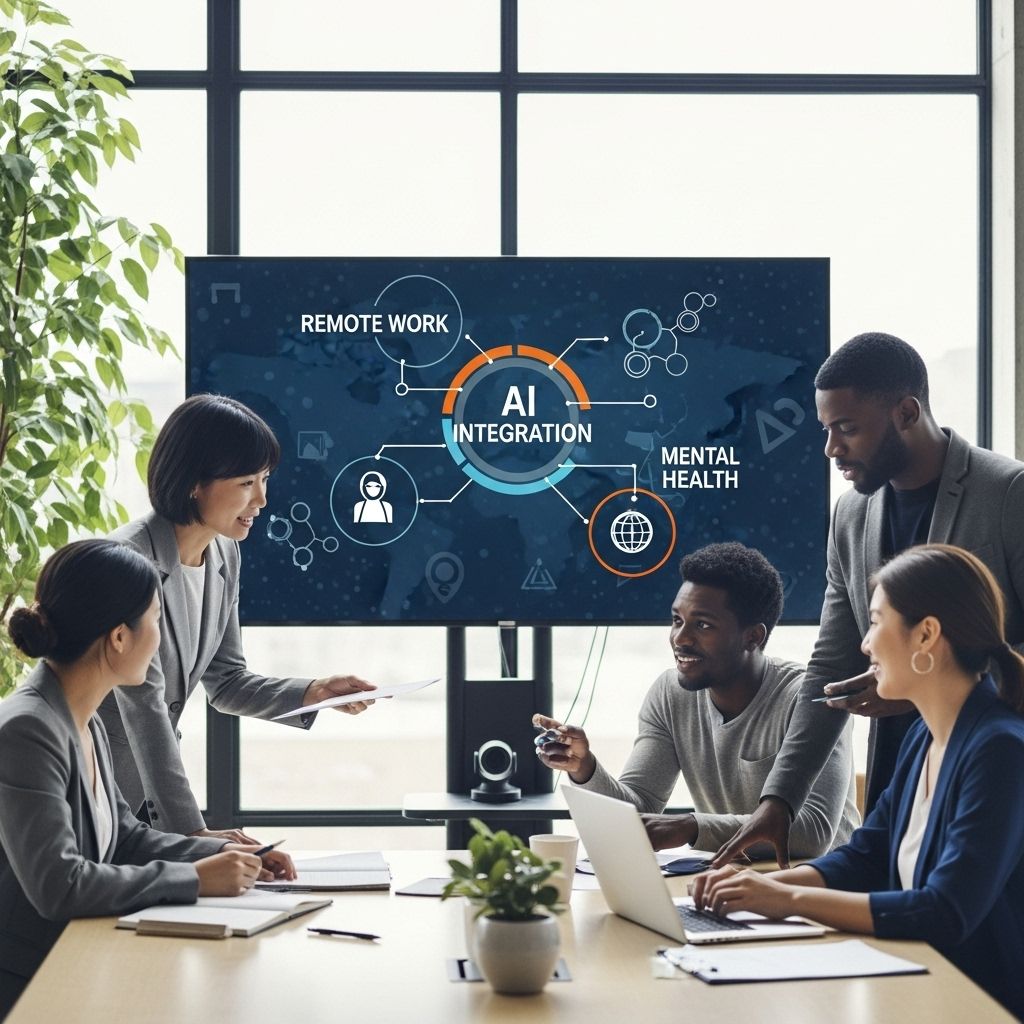

In today’s fast-paced and ever-evolving business landscape, adapting to new trends can be the difference between stagnation and success. As organizations strive to enhance productivity, employee satisfaction, and overall workplace culture, several emerging trends are reshaping the way we work. In this article, we will explore various workplace trends that are gaining traction and how they can impact organizations and employees alike.
Remote and Hybrid Work Models
The shift to remote work, accelerated by the global pandemic, has become a permanent fixture in many industries. Hybrid work models, which combine remote and in-office work, are on the rise. Organizations are now implementing flexible work arrangements that cater to employee preferences.
Benefits of Remote and Hybrid Work
- Increased flexibility for employees.
- Reduced overhead costs for employers.
- Access to a wider talent pool, unrestricted by geography.
- Improved work-life balance.
Focus on Employee Well-being
Employee well-being is becoming a priority for organizations. Companies are recognizing that investing in employee health and happiness leads to increased productivity and loyalty.
Key Strategies for Enhancing Well-being
- Providing mental health resources and support.
- Encouraging regular breaks and time off.
- Implementing wellness programs, such as fitness challenges or mindfulness sessions.
Embracing Diversity and Inclusion
Diversity, equity, and inclusion (DEI) are no longer just buzzwords; they are crucial for building a sustainable workplace. Organizations are actively working to create inclusive environments that value diverse perspectives and foster innovation.
Steps to Foster Diversity and Inclusion
| Step | Description |
|---|---|
| 1. Commitment from Leadership | Leaders must openly support DEI initiatives and lead by example. |
| 2. Training Programs | Implement ongoing training that addresses unconscious bias and promotes cultural competency. |
| 3. Diverse Hiring Practices | Expand recruitment efforts to reach underrepresented groups. |
| 4. Employee Resource Groups (ERGs) | Encourage the formation of ERGs to support diverse communities within the workplace. |
Technological Advancements
Technology continues to transform the workplace, with advancements in artificial intelligence (AI), automation, and collaboration tools reshaping how employees interact and perform their jobs.
Key Technological Trends
- Artificial Intelligence: AI is being used for everything from data analysis to customer service, allowing employees to focus on strategic tasks.
- Automation: Routine tasks are increasingly automated, freeing up time for employees to engage in higher-level strategic thinking.
- Collaboration Tools: Tools like Slack, Microsoft Teams, and Zoom are enhancing communication and collaboration, especially in remote settings.
Agile Work Environments
Agility is crucial for organizations to respond quickly to market changes. Agile work environments promote flexibility, collaboration, and employee empowerment.
Principles of an Agile Workplace
- Adaptability: Teams should be able to pivot quickly based on project needs.
- Collaboration: Encourage open communication and teamwork across departments.
- Continuous Improvement: Create a culture that values feedback and iterates on processes.
Emphasis on Learning and Development
Continuous learning is becoming essential as industries evolve. Organizations are prioritizing training and development programs to upskill employees and prepare for future challenges.
Approaches to Learning and Development
- Personalized Learning Paths: Tailor training programs to individual employee needs and career aspirations.
- Microlearning: Short, focused learning sessions that can be accessed on-demand.
- Mentorship Programs: Encourage knowledge sharing and professional growth through mentoring relationships.
Workplace Flexibility and Remote Tools
With the rise of remote work, flexibility in the workplace goes beyond just location. Organizations are adopting various tools and practices to enhance remote work efficiency.
Essential Remote Tools
- Project Management Software: Tools like Asana and Trello help teams stay organized and track progress.
- Time Management Apps: Applications like RescueTime can help employees manage their time effectively.
- Virtual Collaboration Tools: Utilize tools that facilitate brainstorming sessions and collaborative work, such as Miro or Figma.
Conclusion
The workplace is undergoing a significant transformation due to various trends that prioritize flexibility, well-being, diversity, and technological advancements. By embracing these changes, organizations can create environments that not only enhance productivity but also foster a culture where employees feel valued and engaged. Staying ahead of these trends will be crucial for businesses looking to succeed in the modern era.
FAQ
What are the key workplace trends for 2023?
Key workplace trends for 2023 include remote and hybrid work models, increased focus on mental health and well-being, the rise of flexible work arrangements, and the integration of advanced technology in daily operations.
How is technology shaping the future of the workplace?
Technology is transforming the workplace by enabling remote collaboration through tools like video conferencing, enhancing productivity with automation, and leveraging data analytics for decision-making.
What role does employee well-being play in workplace trends?
Employee well-being is becoming a central focus, with companies prioritizing mental health support, promoting work-life balance, and creating inclusive environments to enhance overall job satisfaction.
How are companies adapting to remote work?
Companies are adapting to remote work by implementing flexible policies, investing in digital tools for collaboration, and fostering a culture of trust and accountability among employees.
What is the impact of diversity and inclusion on workplace trends?
Diversity and inclusion are critical workplace trends, as organizations recognize the value of a diverse workforce in driving innovation, improving employee engagement, and enhancing company reputation.
What can businesses do to prepare for future workplace trends?
Businesses can prepare for future workplace trends by staying informed about industry changes, investing in technology, promoting a culture of adaptability, and prioritizing employee feedback and engagement.


